
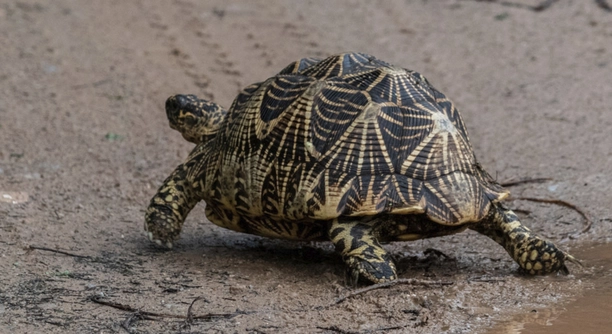
Keeping your star tortoise healthy and comfortable is important for its well-being. A well-maintained enclosure can help your pet thrive and feel safe. Simple changes can make a big difference in how your tortoise feels in its home.
To enhance your star tortoise’s comfort, focus on providing proper heating, humidity, and space. Ensuring a natural habitat with correct substrates, a variety of hiding spots, and a clean environment are essential to maintaining its health and happiness.
Improving your tortoise’s habitat can lead to a happier, healthier pet. The following simple tips will guide you through creating a better environment for your star tortoise.
1. Maintain Proper Heating for Your Star Tortoise
Heating is one of the most important factors in creating a comfortable environment for your star tortoise. These reptiles are cold-blooded, meaning they rely on their surroundings to regulate their body temperature. A consistent heat source should be set up in their enclosure. It’s essential to provide a temperature gradient so that the tortoise can move to warmer or cooler areas depending on its needs. The warm side of the enclosure should range from 85°F to 95°F, while the cooler side should be around 70°F to 75°F.
Without proper heating, your tortoise could become lethargic, stressed, or even sick. A good basking spot is also necessary for thermoregulation. You can achieve this by placing a heat lamp in one part of the enclosure. Ensure it’s placed safely above your tortoise to prevent burns. A thermostat can help maintain the right temperature.
Regularly monitor the temperature with a reliable thermometer to ensure that the range is appropriate. Tortoises depend on these conditions for digestion, immune function, and overall comfort.
2. Provide the Right Substrate for Comfort
Choosing the correct substrate for your star tortoise’s enclosure is crucial for its health and comfort.
A natural, loose substrate mimics the tortoise’s wild environment. This allows them to dig, burrow, and explore. Safe options include coconut coir, soil, or a mix of both. Avoid materials like sand or gravel that could cause impaction if ingested.
Substrate should be kept clean and dry, as damp conditions can lead to fungal growth and skin issues. Regular cleaning and replacing soiled substrate will ensure your tortoise’s living space remains hygienic and comfortable.
3. Create Hiding Spots for Your Star Tortoise
Hiding spots provide your star tortoise with a sense of security. These reptiles are naturally shy and benefit from having places to retreat when they feel stressed or overwhelmed. Providing several hiding areas in different parts of the enclosure will give them options depending on where they feel comfortable.
Hiding spots can be made from various materials such as rocks, logs, or ceramic pots. Ensure that these areas are large enough for your tortoise to fit comfortably inside. It’s important that these hideaways are positioned away from direct heat, so your tortoise can cool off and retreat when necessary.
Placing a few hides near the basking area, as well as in the cooler parts of the enclosure, will help your tortoise feel more secure. It’s best to avoid crowding the enclosure with too many hiding spots, as this can limit your tortoise’s space for movement.
4. Provide Fresh Water Regularly
Fresh water is essential for hydration and overall health. Make sure your star tortoise has access to clean, fresh water at all times.
A shallow dish or small pool should be placed in the enclosure, ensuring your tortoise can easily drink from it. The water should be changed daily to avoid bacterial buildup. Additionally, offering water for soaking helps with hydration and can assist in shedding. Tortoises naturally drink from standing water, and soaking also promotes good skin health.
Make sure the water dish is easy to access and large enough for your tortoise to comfortably drink from without struggling.
5. Offer Proper Lighting for Your Star Tortoise
Your star tortoise needs both UVA and UVB lighting to stay healthy. These lights simulate natural sunlight, helping your tortoise absorb calcium and avoid shell deformities.
The UVB light should be placed directly over the basking area. Change the bulbs every 6 months to ensure they continue to emit proper levels of UVB. Without adequate lighting, your tortoise’s health can decline over time.
6. Keep the Enclosure Clean
Regular cleaning is necessary to maintain a comfortable habitat. Remove waste and uneaten food daily, and clean the entire enclosure weekly.
Using a reptile-safe disinfectant will help prevent harmful bacteria. Dirty enclosures can lead to skin infections, respiratory issues, and stress. A clean environment contributes to a healthier, happier tortoise.
7. Ensure Adequate Space for Movement
Your star tortoise needs room to roam. An overcrowded enclosure can cause stress and health issues. Make sure there is enough space for your tortoise to walk, explore, and stretch out.
An enclosure that’s at least 4 feet long is recommended for one adult tortoise. The more space, the better.
FAQ
What should the temperature be in a star tortoise enclosure?
The temperature gradient in the enclosure should range from 85°F to 95°F on the warm side and 70°F to 75°F on the cooler side. Having this range allows your star tortoise to move to different areas for thermoregulation, which is essential for its digestion and overall well-being. A basking spot should be kept around 95°F, while the rest of the warm side should be slightly cooler.
How often should I feed my star tortoise?
Star tortoises should be fed every other day. It’s important to provide a variety of leafy greens, such as dandelion greens, clover, and romaine lettuce, as well as flowers like hibiscus. Their diet should be high in fiber and calcium, and low in protein. Avoid feeding them fruits too often, as this can cause digestive issues. Always make sure the food is fresh and clean.
Can I use a glass tank for a star tortoise enclosure?
A glass tank can be used, but it’s not ideal in the long run. Glass tanks are not the best for maintaining humidity and can cause stress due to limited space and visibility. It’s better to use a large plastic or wooden enclosure with proper ventilation and room for the tortoise to roam.
How much humidity does a star tortoise need?
Star tortoises require low to moderate humidity, around 50% to 60%. Too much humidity can cause respiratory problems, so it’s important to monitor the humidity levels in the enclosure. If you live in a dry climate, you may need to mist the enclosure occasionally to keep humidity at an appropriate level.
What kind of substrate should I use?
The best substrates for star tortoises are coconut coir, soil, or a mix of both. These substrates are natural and allow your tortoise to burrow, which is important for their comfort. Avoid using sand or gravel, as they can cause impaction if ingested. Make sure the substrate is dry and clean.
How can I tell if my star tortoise is healthy?
A healthy star tortoise should be active, alert, and have clear, bright eyes. Its shell should be smooth, without any cracks or soft spots. If your tortoise isn’t eating, moving, or drinking as usual, or if you notice abnormal behavior or physical signs, it could indicate a health problem, and you should consult a vet.
How often should I clean my star tortoise’s enclosure?
You should clean your star tortoise’s enclosure weekly, though you should remove waste and uneaten food daily. Regular cleaning helps maintain a hygienic environment, which is vital for preventing infections and illnesses. Use a reptile-safe disinfectant to clean surfaces and ensure the substrate is changed when necessary.
Do star tortoises need a soaking area?
Yes, star tortoises benefit from having a shallow soaking area. Providing a small, shallow dish of water allows your tortoise to soak, which helps with hydration and promotes healthy skin. It can also help with shedding, as the tortoise may naturally soak to soften its skin. Make sure the water is changed regularly to keep it clean.
Can I keep more than one star tortoise together?
While it’s possible to house multiple star tortoises together, it’s not always recommended. These tortoises are solitary creatures, and housing them together can cause stress, especially if they are not accustomed to sharing space. If you choose to house more than one, ensure the enclosure is large enough to give each tortoise enough space to avoid territorial disputes.
What kind of light do star tortoises need?
Star tortoises require both UVA and UVB light to stay healthy. UVA light helps regulate their daily activities, while UVB light is essential for calcium metabolism and shell health. A UVB light should be placed above the basking area and replaced every six months to ensure it is emitting the correct level of radiation.
What should I do if my star tortoise isn’t eating?
If your star tortoise refuses to eat, it could be due to several factors such as incorrect temperature, stress, or health issues. Check the enclosure’s temperature, humidity, and lighting to ensure they are appropriate. If the conditions are right and your tortoise still isn’t eating, a vet visit is recommended.
Do I need to provide calcium supplements?
Yes, providing calcium supplements is important for your star tortoise’s bone and shell health. You can offer a calcium powder supplement on their food, or provide cuttlebone for them to chew on. This is especially important if their diet lacks sufficient calcium from leafy greens.
How long can a star tortoise live?
Star tortoises can live for decades, often up to 50 years or more if cared for properly. Their long lifespan means that you will need to commit to maintaining their environment and health for many years. Regular monitoring and maintenance of their habitat are key to ensuring they live a long, healthy life.
Final Thoughts
Creating a comfortable environment for your star tortoise is essential for its health and happiness. By focusing on the basics like temperature, lighting, and space, you can ensure that your tortoise has everything it needs to thrive. A proper habitat encourages natural behaviors, such as basking and foraging, which are important for your tortoise’s physical and mental well-being. With the right care, your star tortoise will feel safe and secure in its enclosure, making it more likely to live a long and healthy life.
It’s important to remember that star tortoises have specific needs that must be met for them to flourish in captivity. Regular cleaning, proper hydration, and the right type of food are all key aspects of tortoise care. By paying attention to these needs, you can create an environment that mirrors the natural conditions of their habitat, allowing your tortoise to live a more comfortable life. Small adjustments, like adding hiding spots or ensuring the enclosure is large enough for them to roam, can make a big difference.
Ultimately, maintaining a comfortable environment for your star tortoise isn’t just about providing the right equipment or food. It’s about understanding their natural behaviors and ensuring they have everything they need to live in a space that suits them. With patience and attention to detail, you can provide your tortoise with the best possible care, ensuring that it remains healthy and happy for years to come.

Hello,
If you enjoy the content that we create, please consider saying a "Thank You!" by leaving a tip.
Every little bit helps us continue crafting quality advice that supports the health, happiness, and well-being of pets around the world, for pets of all shapes, sizes, and species.
We really appreciate the kindness and support that you show us!