
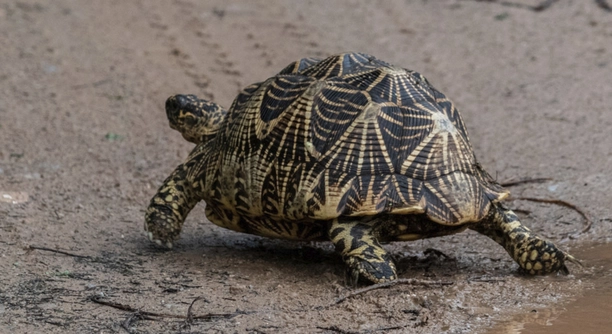
Star tortoises are fascinating creatures, and observing their behavior can provide valuable insights into their needs. One particular behavior that often stands out is their tendency to move rocks around.
Star tortoises frequently move rocks due to natural instincts, environmental factors, or curiosity. They may engage in this behavior as part of their nesting, exploring, or feeding habits. This is an essential part of their overall well-being.
Understanding why your star tortoise is moving rocks can help you create a better environment for it.
Natural Behavior of Star Tortoises
Star tortoises are naturally inclined to explore their environment. Moving rocks is one of the many ways they interact with their habitat. This action is often seen as part of their instinctual need to dig, hide, or create spaces for themselves. In the wild, tortoises will often move objects to find food, shelter, or create a suitable nesting site.
Many pet owners might notice this behavior as well. It is not a sign of distress or problem behavior, but rather a demonstration of how tortoises communicate with their surroundings. They use their powerful legs and sharp claws to push objects that might be in their way. This can be both entertaining and worrying to watch, but it is simply their natural response to their environment.
This behavior is also related to their need for environmental enrichment. Just like in the wild, tortoises in captivity need stimulation. Moving rocks around is a way to engage their senses and keep them active. Providing them with objects to interact with, like rocks, logs, or even plants, will help to reduce boredom and keep them engaged.
Nesting and Shelter
A star tortoise may move rocks in search of a place to hide. They often try to create a secure and sheltered spot.
In the wild, tortoises use rocks and other materials to build a hidden retreat from predators or harsh weather. In captivity, they may display the same behavior by pushing rocks around. They are trying to recreate this safe environment. Having access to a private space will allow your tortoise to feel secure, especially when it’s stressed or needs rest. Offering a safe and shaded area with plenty of hiding spots will reduce this behavior.
If you notice your tortoise moving rocks more frequently, ensure its enclosure has ample shelter options. This can help your pet feel safe and more at ease. Creating an environment that mimics its natural surroundings is crucial to keeping a tortoise healthy.
Searching for Food
Tortoises naturally move objects to find food. They may push rocks to expose hidden plants or insects. This behavior is essential for their survival in the wild. It’s their way of foraging for food.
In captivity, star tortoises may replicate this foraging instinct. They can push rocks around to look for food that might be hidden beneath them. Even if you’re providing food in their enclosure, this instinct remains strong. It’s helpful to provide a variety of textures and materials that encourage their foraging behavior. Hiding small treats under rocks can stimulate them mentally and physically.
Sometimes, the tortoise might not even be hungry but will still engage in this behavior. It’s a sign of their natural curiosity and desire to explore. To support this, ensure your pet’s habitat has a mix of rocks, plants, and objects they can interact with to satisfy their instincts.
Environmental Enrichment
The need for environmental enrichment can drive your star tortoise to move rocks. This behavior often results from boredom or the absence of stimulating surroundings.
In the wild, tortoises naturally encounter various challenges. They are constantly interacting with their environment to find food, water, and shelter. In a captive setting, they need opportunities to engage with their surroundings. Moving rocks or digging provides stimulation and helps alleviate any stress caused by confinement.
By offering items that encourage exploration, like different types of rocks, branches, or logs, you can satisfy your tortoise’s need for stimulation. Regularly changing the layout of their enclosure or adding new objects can help prevent this behavior from becoming repetitive. This practice ensures that your pet stays active and mentally engaged.
Exploration and Curiosity
Star tortoises are naturally curious creatures. Moving rocks is part of their instinctual drive to explore their surroundings. This helps them stay mentally stimulated and engaged with their environment.
Curiosity encourages them to interact with their habitat. Even when there’s nothing to find, they still engage in this behavior as a way of satisfying their natural instincts. They are trying to learn more about their space.
Temperature Regulation
Tortoises often move rocks to adjust their environment. They may seek cooler or warmer areas for temperature regulation.
In the wild, tortoises use rocks to help maintain body temperature. They may hide beneath rocks to stay cool or bask on top for warmth. In captivity, they may replicate this behavior if their enclosure lacks proper temperature control. Providing a consistent heat source and cooler areas will help avoid unnecessary rock-moving behavior.
FAQ
Why does my star tortoise keep moving rocks?
Star tortoises move rocks as part of their natural behavior. They may be searching for food, creating shelter, or simply engaging with their environment. This is a normal action driven by their instincts to dig, hide, or explore. In captivity, it is important to provide a space that allows them to act on these behaviors.
How can I stop my tortoise from moving rocks?
It is important to understand that moving rocks is a natural behavior for star tortoises. However, if it becomes excessive or disruptive, you can manage it by improving their environment. Ensure that their enclosure offers enough stimulation, such as rocks, logs, or plants, to satisfy their need for exploration. If the behavior persists, try rearranging the enclosure to provide new challenges and opportunities for interaction.
Is my tortoise stressed when it moves rocks?
Not necessarily. Tortoises move rocks as a part of their normal activities, not because they are stressed. However, if the behavior seems excessive or is paired with other signs of distress (like lethargy or loss of appetite), it could indicate stress. Stress might be caused by environmental factors, such as improper temperature, lighting, or lack of space. Make sure the enclosure is set up to meet their needs and provides a balanced environment.
How do I know if my tortoise is moving rocks for food?
If your tortoise moves rocks to uncover food, it will often seem more focused or persistent. They may start pushing rocks away from areas where food is usually placed or attempt to dig into areas where they think food could be hiding. You can help by occasionally hiding treats or leafy greens beneath rocks to encourage this behavior as part of their foraging routine. This will provide them with both stimulation and food.
Can I prevent my tortoise from moving rocks if they are trying to build a nest?
Building nests is a common behavior in female star tortoises, especially during breeding seasons. If your tortoise is moving rocks to create a nesting area, it is a sign that she is preparing to lay eggs. This behavior is entirely natural, and it’s important to provide an environment where she can feel secure. If your tortoise is moving rocks frequently to build a nest, ensure that the enclosure has a soft substrate that she can dig in comfortably. You may need to provide a nesting box if necessary.
Does my star tortoise need a lot of rocks to move around?
Star tortoises enjoy having rocks and other objects in their environment to interact with. It’s beneficial for them to have a variety of textures and objects they can push or move. These objects should not be too large or heavy to avoid injury, and they should be placed in a way that encourages natural movement. Consider placing small rocks, logs, and other elements within their enclosure to give them enough to engage with, without overcrowding the space.
How do I provide a better environment for my tortoise to stop moving rocks?
A better environment for your tortoise involves addressing their physical and mental needs. Ensure the enclosure has sufficient space, appropriate temperatures, and lighting. Include rocks, plants, and hiding spots that provide stimulation and opportunities for foraging and exploration. Regularly rearrange the setup to keep your tortoise engaged and prevent boredom. You can also add a shallow water dish, and make sure the substrate allows for natural digging. Ensuring these factors are in place will reduce unwanted behaviors and support your tortoise’s health.
Can moving rocks be dangerous for my tortoise?
Generally, moving rocks is not dangerous for a tortoise unless the rocks are too large or heavy. Rocks that are too big can potentially injure your tortoise if they fall on them. It’s essential to use rocks that are appropriately sized for your tortoise’s size and strength. Avoid sharp-edged rocks, as these can cause cuts or abrasions. Regularly check the environment to ensure everything is safe and that your tortoise is not at risk of injury.
Should I worry if my tortoise moves rocks in circles or patterns?
If your tortoise moves rocks in repetitive patterns or circles, it may be a sign of frustration or stress, especially if other symptoms of anxiety are present, such as excessive pacing or refusal to eat. This can happen if the enclosure feels too small or if the tortoise is not provided with adequate stimulation. In such cases, reassess the environment and provide more objects or different activities that can help relieve stress and satisfy natural instincts.
Can moving rocks help my tortoise with exercise?
Yes, moving rocks can provide a form of physical exercise for your tortoise. Pushing rocks around requires strength and coordination, which can contribute to overall physical health. This behavior can help your tortoise maintain muscle tone and agility. However, it’s essential to ensure that the enclosure also provides space for more substantial exercise, like walking or exploring different areas.
Is moving rocks a sign that my tortoise is lonely?
Star tortoises are solitary creatures by nature, so moving rocks isn’t necessarily a sign that your tortoise is lonely. They are more likely to engage in this behavior due to environmental factors, curiosity, or instinctual needs. However, if your tortoise seems particularly inactive or withdrawn, it may be worth considering whether the enclosure is large enough or if they have sufficient interaction and stimulation.
Does my star tortoise need constant rock-moving activity?
While it’s natural for star tortoises to move rocks, they don’t require constant activity. However, providing a stimulating environment with occasional opportunities for rock-moving can keep them mentally engaged. Don’t force them to interact with rocks at all times, but offering a variety of objects to move, hide, or dig can ensure they remain happy and healthy.
Final Thoughts
Star tortoises moving rocks is a common and natural behavior. It’s an instinct they have to explore, forage, or adjust their environment. As long as the rocks are appropriately sized and safe, this behavior is usually harmless. However, if it becomes excessive or is combined with other signs of stress, it may require some adjustments to their environment.
Creating the right habitat for a star tortoise is essential. A proper enclosure with the right temperature, space, and stimulation can help reduce unnecessary rock-moving. Including various objects such as rocks, logs, and plants can provide your tortoise with opportunities to engage with its surroundings without overdoing it. Regularly changing the setup will help keep things interesting for them and prevent boredom.
Understanding the reasons behind your tortoise’s actions will guide you in creating a comfortable and healthy environment. Whether they are moving rocks out of curiosity, to find food, or to regulate temperature, providing a well-balanced space that meets their needs will help ensure their happiness. By doing so, you will help your tortoise thrive in a secure, enriched environment.

Hello,
If you enjoy the content that we create, please consider saying a "Thank You!" by leaving a tip.
Every little bit helps us continue crafting quality advice that supports the health, happiness, and well-being of pets around the world, for pets of all shapes, sizes, and species.
We really appreciate the kindness and support that you show us!