
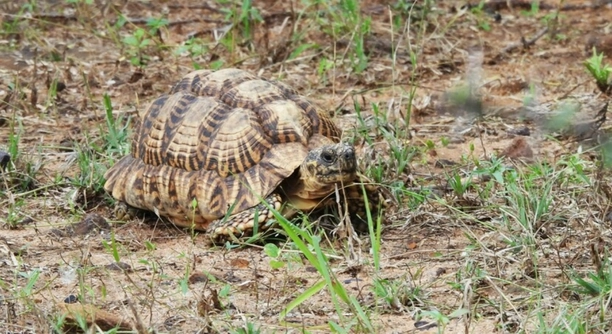
When it comes to your star tortoise’s enclosure, finding the right hiding spots is essential for its well-being. These spots provide comfort and security, helping to reduce stress and allow your tortoise to feel safe in its environment.
The ideal hiding spots for a star tortoise are low to the ground, provide adequate space, and offer a sense of security. Options include rock caves, coconut husk hides, and shallow plants. These choices allow the tortoise to retreat and rest when needed.
Creating the right environment for your star tortoise is key to its health and happiness. With the proper hiding spots, you can improve its overall comfort and behavior.
Choosing the Right Hiding Spot Materials
Selecting the right material for a hiding spot is essential to ensure comfort and safety. Natural materials such as wood, coconut husks, and unglazed ceramic offer a secure environment for your star tortoise. They provide both warmth and ventilation, mimicking the natural environment. Avoid materials that may retain too much moisture or are treated with chemicals that could harm your pet. Make sure the hiding spots are sturdy and secure, with no sharp edges or small pieces that can be swallowed.
Opting for these materials also helps maintain proper humidity levels inside the enclosure, crucial for your star tortoise’s overall health. Ensure the materials are easy to clean to prevent the buildup of mold or bacteria. A clean environment is vital for the tortoise’s comfort and longevity.
A well-chosen material also prevents stress by offering a safe retreat. It provides a sense of security, which is essential for the tortoise’s well-being. When selecting, always focus on natural options that reflect the tortoise’s native habitat, ensuring the hiding spots contribute to both comfort and safety.
Size and Space Considerations
The size of the hiding spot is just as important as the material. The hide should be spacious enough for the star tortoise to move around comfortably. It should not feel cramped or restrictive.
An appropriately sized hide allows your tortoise to stretch its limbs and feel more at ease. The spot should provide enough space for it to hide completely while still offering a sense of security.
Finding the right balance between enough space and the right shape is essential. Too large a space can leave the tortoise feeling exposed, while too small can cause stress. Ensure the hiding area fits your star tortoise’s size and habits.
Placement of Hiding Spots
Placement is key to ensuring the hiding spot is effective. It should be located in a quiet, low-traffic area of the enclosure. This offers your star tortoise a sense of peace and reduces stress from disturbances. Avoid placing the hide under direct heat sources or in overly bright areas.
Consider the layout of the entire enclosure when choosing the spot. A well-placed hide allows the tortoise to retreat to a cool or shaded corner during warmer periods. The hiding area should also be near water or food sources, but not too close to prevent disturbances.
By placing the hide in the correct spot, you ensure your tortoise can feel secure and protected from any external factors that could cause anxiety. It also encourages natural behaviors, such as resting and basking, without feeling exposed. Ensure there are no obstacles near the hide to block access.
Cleanliness and Maintenance
Regular cleaning is essential to maintaining a healthy environment for your star tortoise. Clean the hiding spots frequently to prevent the buildup of mold, bacteria, or waste. Use a mild, pet-safe cleaner and warm water to wash the materials thoroughly.
After cleaning, check for any damage or wear that may compromise the hide’s safety. Replace materials that are worn out or no longer provide adequate protection. Regular maintenance ensures that the hiding spots continue to serve their purpose while keeping the overall environment hygienic.
Keeping the enclosure clean and dry reduces the risk of diseases and infections. A spotless hiding spot also helps keep your star tortoise comfortable and stress-free. Make cleaning part of your regular routine to maintain both hygiene and the hide’s functionality.
Multiple Hiding Spots
It’s beneficial to provide multiple hiding spots throughout the enclosure. This gives your star tortoise options and allows it to choose where it feels safest. Offering different styles, such as tunnels and caves, mimics natural hiding behaviors.
Having multiple hides encourages your tortoise to explore and move around the enclosure more freely. It also ensures that your tortoise has a safe place to retreat to if one hide feels too exposed. Multiple options allow it to adjust to different conditions, such as changes in temperature or humidity.
This simple addition can make a big difference in your tortoise’s comfort and overall well-being.
Temperature Control
Proper temperature regulation is vital for your star tortoise’s health. A hiding spot should provide a temperature range that aligns with your tortoise’s needs, offering both cooler and warmer areas. Ensure that the hide is in a spot where it can avoid direct heat.
A hide that offers temperature control allows your tortoise to self-regulate its body temperature. It can retreat to a cooler area when it gets too warm or seek warmth when necessary. This natural temperature management prevents stress and helps keep your tortoise comfortable.
Hiding Spot Types
Choosing the right type of hiding spot is important. Coconut shells, ceramic hides, and wooden caves are all great options that mimic natural shelters. These materials are sturdy, safe, and easy to maintain. Each type offers a different level of comfort and security.
FAQ
How many hiding spots does my star tortoise need?
Your star tortoise should have at least two or three hiding spots within its enclosure. Multiple options allow your tortoise to choose the spot where it feels most comfortable. It also prevents overcrowding in a single hiding spot, reducing stress and giving your tortoise more freedom to move around.
Can I use any material for hiding spots?
Not all materials are safe for your star tortoise. Avoid synthetic materials, treated woods, or anything that could release harmful chemicals. Opt for natural materials like unglazed ceramic, wood, coconut shells, or even rocks. These materials provide a secure and comfortable environment without risks.
How often should I clean the hiding spots?
Hiding spots should be cleaned every 1-2 weeks, depending on the level of use. If your star tortoise tends to rest in one spot more often, clean it more frequently. Always use a mild, pet-safe cleaner to avoid harming your tortoise. Proper cleaning ensures hygiene and helps maintain a healthy environment.
Can I place a hiding spot near the food or water bowl?
While it’s fine to have a hiding spot near the food or water, make sure it is not directly in the way. Your star tortoise should feel comfortable and not stressed by having to pass by or hide near its food. Providing multiple hides at different spots will give your tortoise more choices.
What is the best size for a hiding spot?
A hiding spot should be large enough for your star tortoise to comfortably fit inside without feeling cramped. It should also allow space for your tortoise to move around. Ensure the hide is not too large, as an overly spacious hide might make your tortoise feel exposed.
Can I use plants for hiding spots?
Plants can work well as hiding spots, but they should be non-toxic to your tortoise. Leafy plants like pothos or spider plants provide both coverage and a natural look. However, make sure the plants are sturdy and won’t topple over when your tortoise enters or exits the hide.
How can I make sure my tortoise feels safe in its hide?
To make your tortoise feel safe, ensure the hide is placed in a quiet area and isn’t exposed to too much light. It should be easily accessible but not near anything that might make your tortoise feel threatened. A hide that provides both security and comfort is key.
Can I use plastic hides for my star tortoise?
While plastic hides can be used, they are not always the best option. Plastic can retain heat, which might make the environment too warm for your tortoise. Additionally, some plastics are harder to clean and could harbor bacteria. If you choose plastic, ensure it is made of safe, durable materials.
Should the hide be placed in a shaded area?
Yes, the hide should ideally be placed in a shaded or cooler area of the enclosure. This allows your star tortoise to escape heat and regulate its body temperature. Placing the hide in a shaded corner helps maintain a comfortable and secure environment for your tortoise.
How do I know if my star tortoise is using its hide?
You’ll likely see your star tortoise spending time inside the hide during the day, especially when it is feeling stressed or needs rest. If your tortoise is rarely using its hide, check if the placement or size of the hide is suitable. It may need adjustments for better comfort.
Can I add soft bedding inside the hide?
Yes, you can add soft bedding inside the hide, such as shredded paper or hay, to make it more comfortable. Ensure the bedding is clean and dry, as moisture can lead to health problems. Regularly replace the bedding to keep the hide fresh and inviting.
How can I create a more natural hiding spot for my tortoise?
To create a more natural hiding spot, use rocks, logs, and plants that mimic a real habitat. Combine different materials to create a layered effect, offering both shelter and a sense of security. A hide that feels like a part of the environment will encourage your tortoise to use it more.
Is it okay if my tortoise hides all the time?
Occasional hiding is normal for a star tortoise, especially during the night or when it feels stressed. However, if your tortoise is hiding all the time and not eating or basking, it could indicate stress or health issues. Monitor its behavior and adjust the environment if necessary.
What should I do if my tortoise doesn’t seem to use its hide?
If your tortoise isn’t using its hide, check if it feels too exposed or uncomfortable. Try repositioning the hide, making it more secure, or providing alternative options. Ensure the temperature and humidity levels are appropriate and that there are no environmental stressors.
Final Thoughts
Creating a comfortable and secure environment for your star tortoise is essential for its health and well-being. Providing multiple hiding spots within the enclosure ensures that your tortoise has options for retreat and relaxation. It’s important to consider the natural behavior of the tortoise, allowing it to feel safe and secure in its space. The right hiding spots can reduce stress, provide comfort, and allow your tortoise to thrive in its habitat.
While choosing the right materials for the hiding spots, it’s crucial to select safe and non-toxic options. Natural materials such as wood, ceramic, and coconut shells are ideal for this purpose. These materials mimic the tortoise’s natural environment and provide a suitable shelter. It’s also important to clean the hides regularly to prevent the build-up of bacteria and ensure a hygienic environment for your tortoise. Proper temperature control and placement of the hiding spots also play a significant role in creating a balanced and comfortable space for your pet.
Remember that a star tortoise is a relatively solitary animal that appreciates privacy and safety. Having multiple hiding spots allows your tortoise to choose the best spot based on its comfort level and needs. Keep in mind that providing a variety of hides, adjusting the placement, and ensuring the environment remains clean and stress-free are all key factors in promoting your tortoise’s health and happiness. With the right attention to detail, your tortoise will thrive in its enclosure and enjoy its time spent there.

Hello,
If you enjoy the content that we create, please consider saying a "Thank You!" by leaving a tip.
Every little bit helps us continue crafting quality advice that supports the health, happiness, and well-being of pets around the world, for pets of all shapes, sizes, and species.
We really appreciate the kindness and support that you show us!