
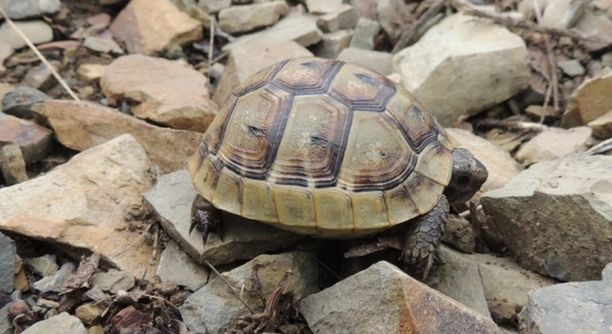
Russian tortoises are popular pets for reptile enthusiasts, but their care requires attention to their specific needs. One such need is vitamin D, essential for their health. Without it, your tortoise may face various health issues.
If your Russian tortoise is not receiving enough vitamin D, it can lead to metabolic bone disease, weak bones, and poor overall health. Ensuring they get proper exposure to UVB light or dietary supplementation will support their vitamin D levels and prevent these risks.
Understanding the signs that your tortoise may need more vitamin D is important for their well-being. Recognizing these signals can help keep your pet healthy and thriving in your care.
The Importance of Vitamin D for Russian Tortoises
Vitamin D is crucial for your Russian tortoise’s overall health, especially for proper bone development. Without enough vitamin D, they can develop issues like metabolic bone disease, a condition that affects their bones and leads to deformities. These tortoises rely on UVB light, which helps them produce vitamin D naturally. If they don’t get enough natural sunlight or UVB light from lamps, it can be difficult for their bodies to absorb calcium, leading to weak bones and other health problems. Therefore, it’s important to ensure they receive the right amount of vitamin D to maintain their strength and vitality.
Exposure to sunlight or UVB lighting is key. Without it, your tortoise will struggle to produce enough vitamin D. Regular time outside or under a UVB light is essential for maintaining healthy bones and metabolism.
In addition to sunlight, a proper diet can also help. Foods such as dark leafy greens, like collard greens and dandelion greens, are rich in calcium and vitamin D. However, if your tortoise is not getting enough from natural sources, you can use supplements to provide additional support. It’s essential to get the balance right—too much calcium or too little vitamin D can both cause problems. Consulting a veterinarian is the best way to ensure your tortoise’s diet and environment are optimized for health.
Signs of Vitamin D Deficiency
If your tortoise is not getting enough vitamin D, you may notice certain changes in their behavior and appearance.
Weakness, poor shell growth, and a lack of appetite are common signs. These symptoms indicate your tortoise might not be getting the proper nutrients to stay healthy and active. Regular checks can help catch these signs early.
How to Ensure Your Russian Tortoise Gets Enough Vitamin D
Make sure your tortoise has access to natural sunlight when possible. If keeping them outdoors is not feasible, providing a UVB light in their enclosure is a must. This helps them produce vitamin D and absorb calcium effectively.
A UVB light should be placed within a few inches of your tortoise’s basking area. It’s important to ensure the light is on for about 10-12 hours each day. If you are using a bulb, make sure it’s the right type for reptiles, as standard bulbs won’t provide the necessary UVB rays.
Consider placing your tortoise outside in safe, enclosed spaces for short periods. Natural sunlight is always the best option, and short outdoor sessions will give them a boost in vitamin D. However, ensure they are supervised and protected from potential predators and extreme temperatures.
Supplementing with Vitamin D
If natural sunlight and UVB lighting aren’t enough, you may need to supplement your tortoise’s diet.
Supplements specifically designed for reptiles can help fill the gaps. These should be calcium and vitamin D3 supplements to support your tortoise’s bone health. Make sure to follow the recommended dosage to avoid over-supplementation, which can be harmful.
Offering a proper balance of food and supplements is essential. Be cautious with over-supplementing, as it can cause kidney or other health issues. A reptile veterinarian can guide you on the correct dosage and frequency for your tortoise based on their age and health status.
Recognizing Early Signs of Vitamin D Deficiency
If your Russian tortoise is struggling to get enough vitamin D, you may notice them being less active than usual. They might seem lethargic and spend more time hiding in their shell.
Another common sign is a decrease in appetite, which may lead to weight loss. This is a clear indication that something is off with their nutrition or environment.
Preventing Deficiency with Proper Care
Proper care includes setting up an appropriate enclosure. Make sure the habitat has access to a UVB light if you can’t provide natural sunlight.
Maintaining a consistent light cycle and ensuring your tortoise is exposed to the light for 10 to 12 hours each day will help prevent vitamin D deficiency. Additionally, consider adjusting their diet to include vitamin D-rich foods, such as certain leafy greens.
FAQ
How much sunlight does my Russian tortoise need for vitamin D?
Your Russian tortoise needs around 10-12 hours of sunlight or UVB light every day. Natural sunlight is the best option, but if your tortoise is indoors, a high-quality UVB light will work as a substitute. Be sure to position the light close to the tortoise’s basking spot, and replace the UVB bulb every 6-12 months, as it loses effectiveness over time.
Can I just use a regular light bulb for UVB?
No, a regular light bulb won’t provide the UVB rays that your tortoise needs to produce vitamin D. You need a UVB-specific bulb made for reptiles. These bulbs emit the necessary wavelengths of light that allow your tortoise to synthesize vitamin D.
What should I do if I can’t provide sunlight?
If natural sunlight isn’t an option, use a UVB light designed for reptiles. Place it in your tortoise’s habitat, ensuring it’s close enough for them to bask under. Also, try to allow some outdoor time in a safe, secure area, as long as the temperature is appropriate.
Can I over-supplement with vitamin D?
Yes, over-supplementing with vitamin D can lead to serious health issues like kidney damage and other complications. It’s important to follow the recommended dosage on the supplement packaging and consult a vet for advice on how much to give based on your tortoise’s age and health.
How do I know if my tortoise is getting enough calcium with vitamin D?
Vitamin D helps your tortoise absorb calcium, but it’s essential to provide both in their diet. Offering calcium-rich foods like leafy greens (collard greens, dandelion greens) is important. You can also provide a calcium supplement with vitamin D3, but remember to not overdo it.
Are there any signs that my tortoise needs more vitamin D?
Signs of vitamin D deficiency include lethargy, poor appetite, weight loss, and soft or deformed shells. If your tortoise starts showing these signs, it’s crucial to adjust their lighting or diet to ensure they’re getting enough vitamin D and calcium.
Can vitamin D deficiency cause other health problems for my tortoise?
Yes, vitamin D deficiency can cause metabolic bone disease (MBD), which leads to weak, brittle bones and shell deformities. Over time, it can severely impact your tortoise’s quality of life and longevity.
How can I prevent vitamin D deficiency in my tortoise?
To prevent deficiency, make sure your tortoise gets regular exposure to UVB light or sunlight. You should also feed them a balanced diet rich in calcium and vitamin D, including dark leafy greens. Regular check-ups with a vet will help ensure their health stays on track.
What foods help with vitamin D for my tortoise?
Certain foods are high in vitamin D, such as dark leafy greens like collard greens, kale, and dandelion greens. Additionally, you can offer foods like eggs or fortified foods if necessary, along with a calcium supplement to ensure proper absorption.
Can I just give my tortoise supplements instead of sunlight or UVB light?
Supplements can help, but they should not be relied upon solely. Natural sunlight or a UVB light source is necessary for your tortoise’s overall health. Supplements should only be a backup for what they are not getting from light and diet.
How can I set up the best UVB lighting for my tortoise’s habitat?
Make sure the UVB light covers the basking area of the enclosure, with the light positioned a few inches above it. Your tortoise should be able to bask under the light, but not too close that it becomes too hot. Replace the UVB bulb regularly for optimal performance.
How long should I leave the UVB light on each day?
UVB lighting should be on for 10 to 12 hours per day. This mimics natural sunlight and supports your tortoise’s need for vitamin D production. Be sure to turn the light off at night to give your tortoise a regular day-night cycle.
Is it okay for my tortoise to have outdoor time?
Yes, outdoor time can be beneficial for your tortoise, provided the weather is appropriate. Outdoor exposure to sunlight will allow them to produce vitamin D naturally. Just be sure to supervise them, ensuring they’re in a safe, secure area free from potential dangers.
What happens if I don’t provide enough vitamin D for my tortoise?
Without enough vitamin D, your tortoise can develop metabolic bone disease, a condition where bones become soft and brittle. Over time, it can lead to deformities, difficulty moving, and severe health issues. Ensuring they get proper UVB light or sunlight and a balanced diet is crucial.
Can I use a UVB bulb in a regular light fixture?
Most UVB bulbs require specific fixtures, so you need to make sure the bulb is compatible with your light setup. Some UVB bulbs are tube-shaped and need a special fixture, while others come in compact forms that may fit into regular light sockets. Always check the manufacturer’s instructions.
What is the difference between vitamin D2 and D3 for reptiles?
Vitamin D2 is commonly found in plant-based sources, while D3 is found in animal-based sources. For reptiles, D3 is more effective because it allows them to process calcium better. Always choose a D3 supplement for your tortoise, as it will better support their health and bone development.
Final Thoughts
Taking care of a Russian tortoise involves understanding their specific needs, especially when it comes to their health and nutrition. Vitamin D is one of the most crucial elements in their diet. Without it, they can develop serious health issues like metabolic bone disease, which can affect their bones and overall well-being. Ensuring that your tortoise gets enough vitamin D through exposure to sunlight or UVB light is essential. Along with that, a well-balanced diet that includes calcium-rich foods can help them stay strong and healthy.
Regular monitoring of their behavior and appearance is important for catching any early signs of vitamin D deficiency. If your tortoise becomes lethargic, loses its appetite, or shows changes in its shell or bone structure, it could be a sign that they are not getting enough vitamin D. In such cases, it’s important to adjust their care routine immediately, either by increasing their exposure to UVB light or supplementing their diet. Consulting with a veterinarian can also guide you in determining the best steps to improve their health.
Overall, providing your Russian tortoise with proper lighting, a balanced diet, and regular veterinary care will go a long way in ensuring they thrive in your care. While it may seem like a lot to manage, keeping your tortoise’s vitamin D levels in check isn’t as difficult as it seems. By staying aware of their needs and taking the right steps, you’ll help your tortoise lead a long, healthy life.

Hello,
If you enjoy the content that we create, please consider saying a "Thank You!" by leaving a tip.
Every little bit helps us continue crafting quality advice that supports the health, happiness, and well-being of pets around the world, for pets of all shapes, sizes, and species.
We really appreciate the kindness and support that you show us!