
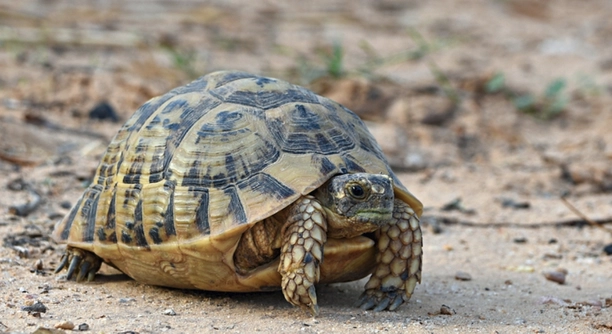
If you have a Russian tortoise, you may have noticed it nudging its food bowl regularly. This behavior can be puzzling, especially if it seems to be occurring more often than usual. There are several possible reasons behind this.
Tortoises may nudge their food bowls due to hunger, curiosity, or even a desire for attention. This behavior could indicate that they are trying to signal that they are hungry, or they simply want to interact with their surroundings.
Understanding your tortoise’s behavior can help ensure that their needs are met.
Understanding Why Your Tortoise Nudges Its Food Bowl
When a Russian tortoise nudges its food bowl, it’s often trying to get your attention or tell you something. This behavior may be an attempt to indicate that they are hungry or dissatisfied with their current food offerings. Russian tortoises have specific dietary needs, and their food bowl can become a focal point for signaling to their owner when those needs aren’t being met. Another common reason for nudging is simply curiosity. Tortoises are naturally curious creatures, so they might nudge their food bowl to explore or interact with their environment. If you notice this behavior frequently, it could mean that your tortoise is actively seeking more engagement or stimulation.
A common reason for the nudge is hunger. If your tortoise is nudging its bowl and it’s close to feeding time, it’s probably just reminding you to bring food. They can become persistent when they’re feeling hungry.
If the nudging happens outside of meal times, it’s worth considering other factors, such as environmental stress or boredom. Russian tortoises need both physical and mental stimulation to stay happy. This includes having a variety of food and enrichment items in their habitat. Without enough variety, they may resort to nudging or pushing objects around their space. Regularly changing the layout of their enclosure and introducing new elements can help reduce this type of behavior. It’s also essential to make sure the temperature and humidity are just right for your tortoise’s comfort. When their needs aren’t met, they may act out by nudging their food bowl in frustration.
How to Respond to the Nudging Behavior
When your Russian tortoise nudges its food bowl, it’s important to take the time to observe their overall health and environment. Look for signs of stress, hunger, or discomfort that may be contributing to the behavior.
One approach is to try offering fresh food options and monitor their reactions. Changing their diet occasionally can also help avoid monotony.
Diet and Food Preferences
If your Russian tortoise keeps nudging its food bowl, it might be a sign that the food isn’t appealing to them. Tortoises can be picky eaters, and they may nudge the bowl if they don’t like what’s inside. Offering a variety of foods, such as leafy greens, vegetables, and occasional fruits, can help keep them interested.
Sometimes, they may show preference for certain foods. This could mean they’re not fond of a particular vegetable or may need more variety in their meals. If they consistently nudge the bowl and avoid eating, it’s worth trying different foods to see if they respond better to new options.
Ensuring that the food you provide is fresh and free from pesticides is important for your tortoise’s health. Stale or spoiled food might not only cause disinterest but could also be harmful. Rotating their meals and giving them a few choices could satisfy their curiosity and help keep them engaged. Regularly observe your tortoise’s behavior to see if the nudging continues after adjusting their food offerings.
Environmental Factors Affecting Behavior
Environmental stress might also contribute to the nudging behavior. Russian tortoises can become stressed if their habitat isn’t suitable, causing them to act out in different ways. A proper enclosure should include adequate space, proper temperature, humidity, and hiding spots. If any of these are off, your tortoise may nudge their food bowl or exhibit other abnormal behaviors.
Tortoises rely on their surroundings to feel secure, and if their environment isn’t right, they can get agitated. For instance, too much noise, movement, or even overcrowding in the habitat can make them feel unsafe, leading to increased stress. Ensuring that the enclosure has quiet, cozy spots where your tortoise can retreat might reduce nudging behavior. Another factor to consider is the lighting. Providing the proper lighting conditions, such as UVB light, helps keep your tortoise healthy and less likely to engage in anxious behaviors like nudging the bowl.
Overfeeding and Its Impact
Overfeeding can also lead to nudging behavior. If your tortoise isn’t eating all of its food and you continue to provide more, it may push the bowl away in frustration. Ensure you’re offering the right amount of food to avoid waste and unnecessary stress.
Make sure to monitor portion sizes to maintain a healthy feeding routine. Regularly observe how much your tortoise eats, and adjust based on their activity levels and size. Overfeeding could also result in weight gain, leading to long-term health issues. Keep track of your tortoise’s feeding habits to avoid potential problems.
Tortoise’s Natural Behavior
Nudging the food bowl could simply be part of your tortoise’s natural behavior. They often push and nudge objects around them in search of food or as part of their routine. It’s their way of interacting with their environment.
Being aware of their natural instincts helps you understand their behavior better.
FAQ
Why does my Russian tortoise nudge its food bowl?
Nudging can indicate hunger, curiosity, or even stress. If it happens near feeding time, your tortoise might simply be reminding you it’s time for food. If it occurs at other times, it could be exploring its environment or trying to engage with you. It’s also possible they’re looking for more variety in their diet or feel bored with their current food.
Should I change my tortoise’s diet if they keep nudging their bowl?
Yes, if your tortoise shows consistent disinterest in its food, offering a variety of fresh vegetables, leafy greens, or fruits might help. Russian tortoises can be picky eaters, and they might nudge their food bowl because they’re not fond of what is offered. Try rotating their meals regularly to keep their interest alive.
Can stress cause my tortoise to nudge its food bowl?
Stress is a common cause of nudging behavior. If their habitat isn’t set up properly or there’s too much noise, your tortoise might act out. Ensure that your tortoise’s environment has the right temperature, humidity, and hiding spaces. If these factors aren’t met, it could lead to frustration and nudging.
Is it possible to overfeed my Russian tortoise?
Overfeeding can lead to excess food waste, which might cause your tortoise to nudge its food bowl in frustration. Too much food might also affect its health, leading to weight gain. Make sure you provide the correct portion sizes based on your tortoise’s size and activity level.
How often should I feed my tortoise?
Russian tortoises generally need to be fed once a day. However, the amount of food varies depending on their age and activity level. Younger tortoises tend to need more food, while adults typically eat less. Always monitor how much they eat to avoid overfeeding.
Can the type of food affect my tortoise’s behavior?
Yes, the type of food you provide can influence your tortoise’s behavior. If they aren’t getting enough variety or they dislike certain foods, they might nudge their food bowl. Introduce a range of fresh greens, vegetables, and fruits to keep them engaged and satisfied.
What should I do if my tortoise is constantly nudging its bowl?
If your tortoise consistently nudges its food bowl and is eating less, consider altering its food choices or adjusting its environment. Check if there’s enough stimulation in their habitat, like toys or hiding spots. This will help prevent boredom and improve their overall well-being.
Can poor lighting or temperature cause nudging behavior?
Yes, improper lighting or temperature can lead to stress, which might result in your tortoise nudging its food bowl. Make sure your tortoise has access to the proper UVB light and that their enclosure maintains the correct temperature and humidity. Stress from environmental factors often leads to these types of behaviors.
How can I tell if my tortoise is stressed or just curious?
Look for other signs of stress, such as excessive hiding, lack of eating, or a change in activity levels. If your tortoise is nudging its food bowl while still eating and exploring, it might just be curious. If they show other signs of discomfort, it could be a sign of stress.
What kind of food should I avoid giving my Russian tortoise?
Avoid feeding your tortoise foods high in oxalates, such as spinach, as they can interfere with calcium absorption. Also, avoid giving them processed foods, dairy, or meats. Stick to fresh vegetables, leafy greens, and some fruits as part of a balanced diet.
Can I train my tortoise to stop nudging its food bowl?
Training a tortoise to stop nudging the food bowl can be challenging. However, by maintaining a regular feeding schedule, ensuring the right portion sizes, and providing a stimulating environment, you can reduce this behavior. Consistent care and attention can help manage their habits over time.
How do I know if my tortoise is healthy despite nudging its food bowl?
If your tortoise is nudging its food bowl but still eating regularly, moving around, and showing interest in its environment, it’s likely healthy. Ensure your tortoise has proper lighting, temperature, and diet to maintain its health. Any signs of lethargy or weight loss should be taken seriously.
What type of habitat setup is best for my tortoise?
A proper habitat setup should include ample space for your tortoise to move around, the right temperature gradient, UVB light, and hiding spots. The humidity should be kept in check, and the enclosure should be free from drafts. These factors are essential to ensure your tortoise’s comfort and reduce stress.
Can my tortoise’s age affect its behavior?
Yes, age can impact behavior. Younger tortoises tend to be more active and curious, which could result in more nudging of their food bowl. Older tortoises might nudge less often, but they may show signs of slower eating or less interest in food due to changes in metabolism or health.
Should I be concerned if my tortoise isn’t eating all the food I give it?
If your tortoise isn’t eating all of its food, it’s important to assess the situation. They might be overfed, stressed, or simply disinterested in the food offered. Monitor the amount of food, check for any signs of illness, and ensure their environment is comfortable and enriching.
Final Thoughts
Understanding why your Russian tortoise nudges its food bowl can be a bit tricky. It could be a sign of hunger, curiosity, or even boredom. When it happens, take a moment to consider whether your tortoise is getting the right amount of food. Overfeeding can be a common issue, and offering too much food may cause frustration. The right portion size, based on your tortoise’s age and activity level, is key. In general, it’s important to make sure your tortoise has access to fresh, healthy food and that you are not overwhelming them with too much at once.
Another important factor to keep in mind is the environment. Stress can also cause a tortoise to nudge its food bowl, and stress can be brought on by factors such as improper lighting, temperature, or a lack of hiding spots. Ensure your tortoise’s habitat is set up to meet its needs, with appropriate lighting and temperature gradients. A calm and comfortable environment helps your tortoise feel secure and could reduce unnecessary behaviors like nudging the food bowl.
Finally, remember that nudging could be completely natural behavior for your tortoise. Russian tortoises are curious creatures, and nudging objects around them is part of how they explore their surroundings. If your tortoise is otherwise healthy, eating well, and active, nudging may simply be a sign of its natural instincts. It’s essential to pay attention to your tortoise’s overall behavior and health to ensure that it’s getting everything it needs. If the nudging becomes excessive or accompanied by other signs of distress, it’s always a good idea to check with a veterinarian to rule out any potential health concerns.

Hello,
If you enjoy the content that we create, please consider saying a "Thank You!" by leaving a tip.
Every little bit helps us continue crafting quality advice that supports the health, happiness, and well-being of pets around the world, for pets of all shapes, sizes, and species.
We really appreciate the kindness and support that you show us!