
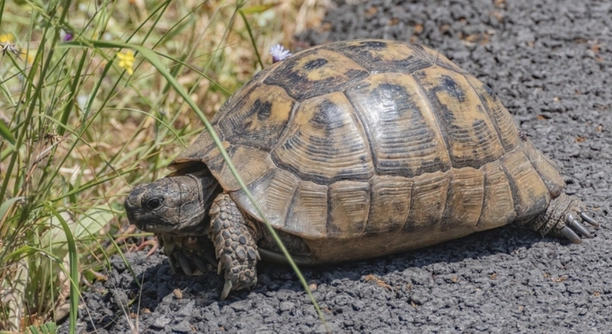
Keeping a Russian tortoise safe in a multi-pet household can be a bit tricky, but it’s definitely manageable. Whether you have other reptiles, dogs, or cats, there are steps you can take to ensure your tortoise stays safe and healthy.
The key to keeping a Russian tortoise safe in a multi-pet household is creating a safe, controlled environment. Designate a secure area for the tortoise, ensure its enclosure is escape-proof, and supervise interactions with other pets to prevent harm.
With proper precautions and a little planning, you can successfully keep a Russian tortoise safe around your other pets.
Creating a Safe Space for Your Russian Tortoise
The most important step in keeping your Russian tortoise safe is to create a designated space where it can thrive. If you have other pets, this space should be secure and escape-proof. An enclosed area, like a large terrarium or a fenced-off part of the room, will help keep the tortoise separate from any potential dangers. Ensure that the enclosure has enough space for the tortoise to roam, as they enjoy moving around and exploring. Additionally, include hiding spots for the tortoise to retreat to if it feels stressed.
A safe space also ensures the tortoise gets the proper temperature and humidity, which is essential for its health. Make sure the area is away from direct sunlight or areas where pets could easily access the tortoise.
By establishing this space, you’re taking the first step toward preventing accidents and providing a secure environment for your tortoise.
Supervision and Safe Interactions
Even when the tortoise has its own space, supervision is necessary. Other pets might be curious, and it’s essential to monitor their behavior around the tortoise.
Animals like dogs and cats may see the tortoise as a toy or a potential threat, and their curiosity can lead to unintentional harm. Always be present when your pets are near the tortoise, and if you see any aggressive behavior, remove the tortoise from the area immediately. Over time, your pets can learn to be more cautious and respectful of the tortoise, but always remain vigilant.
Tortoises are slow-moving creatures and may not be able to escape if another pet gets too close. If you notice signs of stress in your tortoise, such as hiding or withdrawing, it’s best to limit interactions even more. When pets and tortoises coexist peacefully, you can feel more confident in their safety.
Proper Pet Introduction
Introducing your tortoise to other pets needs to be done carefully. Start slow, keeping the tortoise in its secure space while allowing other pets to observe from a distance. This ensures they can get used to each other without risk. Keep interactions brief at first, always under supervision.
As pets become familiar with each other’s presence, you can gradually increase their time together. However, always assess the comfort of both animals. Signs of stress, such as rapid movements or hiding, are red flags that they may need more time apart.
Monitor your tortoise closely during these interactions, particularly if you have a pet that might show aggression. Even with proper introductions, things can change. Constant supervision will help you gauge when it’s safe for both your tortoise and other pets to share space.
Creating Barriers and Obstacles
Setting up physical barriers between your tortoise and other pets can offer additional protection. Use small fences or gates to separate them during free-range time in your home. These barriers should be sturdy, tall enough to prevent pets from jumping over.
Keep in mind that some pets, like dogs, may attempt to push through or knock over barriers. Choose materials that are durable and able to withstand any pressure from curious animals. You can also place obstacles like furniture or other items between your pets and the tortoise’s area to discourage direct contact.
This approach offers a safe and controlled way for pets to get used to each other while minimizing the chances of harmful interactions. Be sure to adjust the barriers as your pets grow or become more comfortable.
Supervising Playtime
Supervision is essential during any playtime involving your tortoise and other pets. Always keep a close eye on interactions to prevent any accidents. Even pets that seem friendly can act unpredictably.
Make sure the tortoise has a clear space to retreat to if it feels threatened. When pets and tortoises interact, tensions can rise unexpectedly. Keeping a watchful eye ensures you can step in if necessary.
Handling Aggressive Pets
If you notice signs of aggression in your other pets, such as growling, barking, or pouncing, remove them from the tortoise’s space immediately. Aggression can lead to injuries, even if the other pets don’t intend to harm.
Make sure that the tortoise has a secure place to hide, where it can feel safe. If necessary, adjust the space where your pets roam to ensure your tortoise is never at risk. It’s important to address these behaviors promptly to prevent any harm to your tortoise.
Appropriate Food and Treats
When feeding your tortoise, ensure that other pets are not able to access its food. Some pets may try to steal the tortoise’s food, which could harm both animals. Keep meals separate and monitor the area to prevent this.
FAQ
How can I keep my Russian tortoise safe from aggressive pets?
To protect your tortoise from aggressive pets, create a safe, secure space for it. A designated area with sturdy barriers will help separate it from other animals. Always supervise interactions between your pets and tortoise. If an aggressive pet shows signs of stress or curiosity, remove them from the tortoise’s space immediately. Monitoring the behavior of your pets can prevent unexpected confrontations.
Can I let my tortoise roam freely in my house with other pets?
It’s best to avoid letting your tortoise roam freely in areas where other pets have access, especially if they haven’t been fully acclimated to each other. If you do allow free-range time, make sure the space is securely divided and that you’re always present to supervise. Even calm pets can act unpredictably, so never leave them unattended together.
What should I do if my dog is too interested in my tortoise?
If your dog is showing too much interest in your tortoise, redirect their attention to toys or activities that are safe. You can also use a pet gate or crate to separate them when the tortoise is out. Constant supervision is necessary to ensure the tortoise remains safe. If the dog continues to show aggressive behavior, it may be best to keep them completely apart.
Can my tortoise live with my other reptiles safely?
Not all reptiles will get along well together. If you have other reptiles, it’s essential to research their needs and behaviors. Russian tortoises, for example, are solitary animals that prefer to be alone. Aggressive or territorial reptiles may harm your tortoise, so it’s best to house them separately. Create individual enclosures to ensure your tortoise is safe.
How can I ensure my tortoise is eating enough in a multi-pet home?
In a multi-pet home, it’s important to ensure that your tortoise can eat in peace without interference from other pets. Feed your tortoise in a separate area, away from where your other pets roam. Remove any uneaten food after a set period to prevent it from attracting other animals. This ensures your tortoise is getting the proper nutrition and doesn’t have to compete for food.
What if my cat is too curious about my tortoise?
Cats are naturally curious, but their curiosity can sometimes lead to unwanted stress for your tortoise. If your cat is too interested, make sure the tortoise’s enclosure is out of reach. Use pet gates or other barriers to prevent your cat from getting too close. Be sure to monitor any interactions closely to prevent harm.
How can I make sure my tortoise is safe when I’m not around?
When you’re not around, ensure your tortoise is securely housed in a safe enclosure. This enclosure should be escape-proof and free from any hazards. If your other pets have access to certain areas of the house, it’s crucial to ensure that the tortoise’s space remains off-limits. Consider installing pet gates or doors to further restrict access.
What are the signs that my tortoise is stressed in a multi-pet environment?
Stress in tortoises can manifest through behaviors like hiding, lack of appetite, or excessive lethargy. If your tortoise shows these signs, it may be reacting to the presence of other pets. Ensure that your tortoise has a quiet, secure place to retreat to when it feels threatened. If stress continues, consider reevaluating how your pets interact.
Is it safe to have a tortoise and a rabbit together?
While rabbits and tortoises can coexist in some cases, it’s important to supervise them at all times. Rabbits are social and curious but can sometimes become territorial. Make sure they have enough space to keep a safe distance from one another. It’s advisable to house them separately unless you’re sure they get along.
Can my tortoise share space with a hamster?
Hamsters are small and could easily pose a threat to your tortoise, especially if the tortoise is younger or smaller in size. It’s best to keep them in separate enclosures to avoid any risk of injury. Hamsters are nocturnal and may cause stress if they’re housed too close to your tortoise.
What should I do if my tortoise is too shy around other pets?
If your tortoise is too shy around other pets, give it time to adjust. Provide it with plenty of hiding spaces where it can feel safe. Avoid forcing interactions, and let your tortoise come out on its own terms. Over time, it may become more comfortable with its environment and the other animals.
How do I manage feeding times to prevent other pets from disturbing my tortoise?
Feed your tortoise in a separate room or area where other pets cannot access. Ensure that the food is removed after a specific time to prevent it from being taken by other animals. Using elevated feeding platforms or secure food dishes can also help minimize interruptions during mealtime.
Final Thoughts
Maintaining a safe environment for a Russian tortoise in a multi-pet household requires careful planning and constant attention. The main priority is creating a secure space where the tortoise can roam freely without the risk of being harmed by other animals. By setting up barriers and providing hiding spots, you give your tortoise the freedom to explore while reducing stress. It’s essential to understand the behavior of your other pets and how they might react to the presence of a tortoise. Some pets may have natural instincts to chase or show curiosity, so it’s important to keep a close eye on their interactions.
Feeding your tortoise in a separate space from other pets is another key factor. Other animals may be tempted to eat the tortoise’s food, and this can lead to stress or nutritional imbalances. Feeding time should be organized so that your tortoise gets the proper nutrition without competition. Having a quiet, designated space for meals helps ensure that the tortoise eats in peace, contributing to its overall well-being. Avoid leaving food out for long periods, as it might attract other pets, further increasing the risk of conflict. Keeping your tortoise’s meals controlled is part of maintaining a healthy routine.
Ultimately, the well-being of your tortoise in a multi-pet household depends on how you manage the dynamics between animals. Establishing clear boundaries, offering separate areas for each pet, and supervising interactions are the foundation of a peaceful coexistence. Your Russian tortoise will thrive if it has a safe environment where it can retreat when necessary, receive its meals undisturbed, and interact with other pets in a controlled manner. With proper care, it’s entirely possible to ensure your tortoise remains healthy and happy in a home with multiple pets.

Hello,
If you enjoy the content that we create, please consider saying a "Thank You!" by leaving a tip.
Every little bit helps us continue crafting quality advice that supports the health, happiness, and well-being of pets around the world, for pets of all shapes, sizes, and species.
We really appreciate the kindness and support that you show us!