
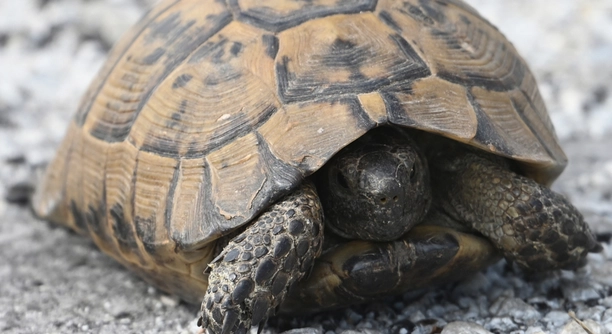
Russian tortoises are known for their curiosity, often engaging in behaviors that seem unusual. One such behavior is biting at their own reflection, which can leave owners puzzled and wondering about the cause of this action.
This behavior is often a result of territorial instincts and a reaction to the perceived presence of another tortoise. The reflection in a glass or mirror can appear as a rival, prompting the tortoise to bite in defense of its space.
Understanding this reaction helps address the behavior, providing insights on how to manage the environment for your tortoise.
Why Russian Tortoises React to Their Reflection
Russian tortoises have a strong territorial instinct, which drives them to protect their space. When they see their reflection, they may interpret it as another tortoise entering their territory. This triggers a response to defend their space, resulting in biting or other aggressive behaviors.
This behavior is more common in tortoises kept in enclosures where they can see themselves in glass or mirrors. The reflection is not recognized as a reflection but as a potential threat, leading the tortoise to act defensively.
Making a few changes to their environment can reduce this behavior. One option is to cover the area where the reflection is visible. This can eliminate the “rival” tortoise from sight, making your pet feel less threatened. Another approach is to introduce a companion tortoise if your pet is social, as they may feel more secure and less territorial. However, introducing a companion requires careful consideration to ensure compatibility and proper care.
How to Address the Behavior
Reducing the reflection issue is simple but essential for your tortoise’s well-being. Blocking their line of sight will help keep them calm.
The key to preventing this behavior lies in managing their environment and ensuring they feel secure. Tortoises thrive when they feel safe and are less likely to show aggression when their territorial instincts are not triggered.
The Role of Stress in Aggressive Behavior
Stress can significantly impact a tortoise’s behavior. When they feel overwhelmed by environmental factors, such as changes in temperature or overcrowding, they may react by becoming more aggressive. This can result in biting, including at their reflection, as a way to cope with the stress.
A stressed tortoise may show other signs, such as hiding or refusing to eat. These behaviors indicate that something in their environment is affecting their well-being. Stress is often a silent trigger, making it essential to monitor their surroundings for any changes that could be causing anxiety.
Reducing stress involves making sure your tortoise’s habitat is stable. Keep the temperature and humidity levels consistent, provide hiding spots, and avoid overcrowding. A calm environment helps your tortoise feel secure, making them less likely to engage in aggressive behaviors like biting at reflections.
The Importance of Proper Enclosure Setup
A properly set up enclosure is crucial for your tortoise’s happiness. It should provide enough space for them to move around comfortably and should be free of mirrors or reflective surfaces. The right setup helps reduce territorial reactions and minimizes unwanted behaviors.
When setting up the enclosure, use natural materials like rocks, plants, and logs to create a more enriching environment. These elements can provide hiding spots and stimulation, reducing stress and preventing aggressive responses. Make sure the enclosure is large enough for your tortoise to explore, as boredom can also contribute to unwanted behavior.
The Impact of Diet on Behavior
A balanced diet can influence a tortoise’s behavior. Nutritional deficiencies or an improper diet can lead to irritability or aggression. Ensuring they receive the right nutrients helps maintain their overall health and reduces stress.
A diet rich in fiber, calcium, and essential vitamins supports proper growth and development. This not only contributes to physical health but also has a calming effect on their temperament. If a tortoise is not receiving enough food or the wrong kind of food, it may exhibit aggression, including biting at reflections.
Monitoring Activity Levels
Overactive or underactive tortoises can display unwanted behaviors. Regular exercise helps prevent boredom and frustration. By allowing your tortoise to explore and move around in a secure area, you reduce the likelihood of aggressive responses to things like reflections.
Make sure your tortoise has ample space to roam during the day. Set up a safe, controlled outdoor environment for them to explore when possible. This helps stimulate their mind and body, keeping them healthy and less likely to direct aggression toward their own reflection.
Socialization and Companionship
Russian tortoises can benefit from social interaction, though not all of them are suited for companionship. Introducing another tortoise should be done carefully, as some tortoises prefer solitary lives. However, others might enjoy the company and feel less threatened by reflections when they are not alone.
FAQ
Why does my Russian tortoise bite its reflection?
A Russian tortoise bites its reflection due to territorial instincts. When they see their own image in a mirror or glass, they may mistake it for a rival tortoise entering their territory. This triggers defensive behavior, such as biting, to protect their space. Tortoises are naturally territorial creatures, and their reaction to a reflection is often driven by this instinct.
How can I stop my tortoise from biting its reflection?
To stop this behavior, cover the reflective surface with a cloth or place objects like plants or rocks in front of the glass. Reducing the visibility of the reflection will prevent your tortoise from seeing what it perceives as a competitor. Additionally, making their environment more enriching and less stressful will help calm their territorial instincts.
Is it normal for my tortoise to react aggressively to its reflection?
Yes, it is normal for a tortoise to show aggression toward its reflection. Tortoises, especially those in confined spaces, may become territorial and feel threatened by their own reflection. However, it’s important to manage the environment to reduce stress and minimize aggressive behavior. This includes ensuring that their enclosure is large enough and that they are not exposed to frequent disturbances.
What signs indicate my tortoise is stressed?
A stressed tortoise may exhibit several signs, including excessive hiding, refusal to eat, or rapid pacing within their enclosure. They may also become more aggressive or show signs of restlessness, like biting at their reflection. It’s important to address the cause of the stress, which can range from environmental changes to diet and social factors.
Can my tortoise’s diet affect its behavior?
Yes, a tortoise’s diet plays a significant role in its overall behavior. A poor diet or lack of essential nutrients can lead to irritability or aggression. A balanced diet with the right levels of fiber, calcium, and vitamins helps maintain a tortoise’s physical and mental health. Make sure your tortoise is eating appropriate food, such as leafy greens, and avoid overfeeding or underfeeding.
What should I do if my tortoise is constantly biting its reflection?
If your tortoise is continuously biting its reflection, the first step is to reduce its exposure to mirrors or reflective surfaces. You can do this by covering the glass or placing objects to block the view. Also, try to identify and eliminate any sources of stress in the tortoise’s environment, such as overcrowding or temperature fluctuations. Monitoring the tortoise’s diet and making sure they have enough space and stimulation is crucial.
How can I create a more enriching environment for my tortoise?
An enriching environment is key to reducing stress and aggressive behaviors. Include elements like hiding spots, natural substrates (such as soil or sand), and climbing structures. These additions help keep your tortoise active and engaged. Be sure the enclosure has enough space for exploration, and provide opportunities for outdoor time in a secure area. These changes will encourage natural behaviors and help prevent aggression caused by boredom or stress.
Can having another tortoise help reduce reflection biting?
Introducing another tortoise could help, but it depends on the personality of your tortoise. Some tortoises thrive with a companion, while others prefer solitude. If you decide to introduce another tortoise, it’s essential to monitor their interactions closely. Introductions should be gradual, ensuring that both tortoises feel secure. If one tortoise is highly territorial, it may still react to its reflection even with a companion present.
How much space does a Russian tortoise need in its enclosure?
A Russian tortoise needs a spacious enclosure to feel comfortable. Ideally, the enclosure should be at least 4 feet long and 2 feet wide for a single tortoise. The larger the space, the more comfortable your tortoise will feel. A cramped environment can lead to stress, aggression, and unwanted behaviors like biting at reflections. Providing a larger enclosure allows your tortoise to explore and behave more naturally.
What type of lighting is best for my tortoise?
Proper lighting is essential for your tortoise’s health. Use UVB lighting to help your tortoise synthesize vitamin D3, which is necessary for calcium absorption. Without adequate UVB light, your tortoise may become ill or act stressed. Ensure the light is positioned correctly and provides enough warmth for your tortoise to regulate its body temperature. A basking light with temperatures around 90°F to 100°F (32°C to 38°C) is ideal.
Can too much heat cause my tortoise to become aggressive?
Excessive heat can indeed lead to stress in a tortoise. If the temperature in their enclosure is too high, it may cause discomfort, leading to aggressive behavior. Make sure the enclosure has a temperature gradient, with a basking area that’s warmer and cooler spots where your tortoise can retreat when it gets too hot. Keeping the temperature within the recommended range ensures your tortoise is comfortable and reduces the chances of aggression.
Final Thoughts
Understanding why your Russian tortoise bites its reflection can help you address the behavior. This action is often a natural response to territorial instincts or stress. Tortoises see their reflection and mistake it for another tortoise, triggering an aggressive reaction to protect their space. However, the reflection biting doesn’t mean your tortoise is aggressive by nature. Instead, it’s simply reacting to what it perceives as a rival in its environment. Recognizing this behavior and making adjustments to their surroundings can greatly reduce the frequency of reflection biting.
The key to resolving this issue lies in creating an environment that promotes comfort and security for your tortoise. You can start by eliminating reflective surfaces or blocking the view with objects that the tortoise won’t see as threats. Adding enrichment to their enclosure, such as hiding spots and areas to explore, is also crucial. A larger space with access to both indoor and outdoor environments helps your tortoise feel less stressed and more at ease. Ensuring that your tortoise has plenty of room to roam will reduce territorial behavior and prevent the repetitive biting at reflections.
Finally, don’t overlook the importance of a balanced diet and proper care. A well-fed tortoise is less likely to become irritable or exhibit unwanted behaviors. Ensuring your tortoise gets enough nutrients will not only support its physical health but also its mental well-being. Regular check-ups with a reptile veterinarian can ensure there are no underlying health issues contributing to the behavior. By providing the right environment, diet, and care, you can minimize stress and keep your tortoise happy and healthy, reducing the likelihood of reflection biting.

Hello,
If you enjoy the content that we create, please consider saying a "Thank You!" by leaving a tip.
Every little bit helps us continue crafting quality advice that supports the health, happiness, and well-being of pets around the world, for pets of all shapes, sizes, and species.
We really appreciate the kindness and support that you show us!