
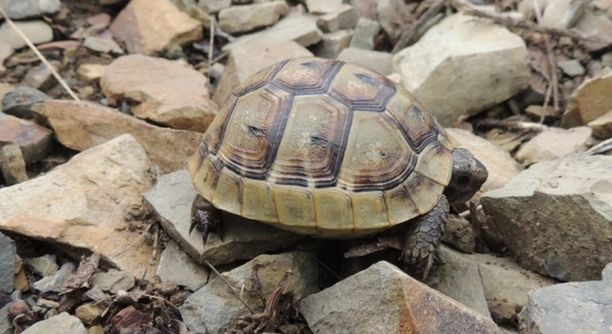
Setting up a safe outdoor pen for your Russian tortoise is essential for their well-being. Proper planning ensures they have a secure, comfortable, and enjoyable environment. This guide will provide the steps needed to create that perfect outdoor space.
A well-constructed outdoor pen for your Russian tortoise requires secure fencing, shade, and access to safe areas for foraging. Ensuring that the pen is escape-proof and provides adequate shelter from the elements is essential for their health and safety.
Creating a safe outdoor space involves more than just fencing. Proper setup guarantees that your tortoise can thrive while staying secure and protected.
Choosing the Right Location for the Pen
When setting up a safe outdoor pen for your Russian tortoise, the location is crucial. Choose a spot that offers both sun and shade, as tortoises need warmth to regulate their body temperature. However, they also need shaded areas to avoid overheating. The area should be free from heavy foot traffic, which could stress the tortoise. Additionally, the ground should be level and free from large rocks or debris that could cause harm. Keeping the pen away from garden chemicals or toxic plants is also important. A well-thought-out location helps provide a peaceful and secure environment for your tortoise.
Choosing the right location means more than just a sunny spot. Ensure there is enough space for your tortoise to move freely without feeling confined. A pen too close to a busy area may cause stress, while a spot that’s too shaded could leave your tortoise without the warmth it needs.
The pen’s location also plays a role in its security. Make sure it’s not near any predators or other animals that could threaten your tortoise. Always check for signs of potential risks in the area, like loose pets or nearby wildlife. Take your time to pick the perfect spot to ensure your tortoise’s comfort and safety.
Building a Secure Barrier
The barrier of the pen needs to be strong and secure. Russian tortoises are known for being escape artists. A solid, high fence will help keep them inside their pen. Ensure the fence is at least 18 inches tall to prevent climbing. Consider using mesh or hardware cloth to cover the sides, as this will prevent smaller gaps that could allow your tortoise to squeeze through. The bottom of the fence should be buried a few inches into the ground to stop digging attempts.
In addition to the fence’s height, think about the material used. Strong materials like wood, metal, or heavy-duty plastic are ideal for keeping your tortoise inside. Be mindful of using materials that won’t rust or degrade under the weather conditions.
When installing the fence, ensure that all corners are securely fastened, as weak points could be a potential escape route. If you’re building a larger enclosure, divide the area into sections to create safe zones for different activities. This will help maintain a safe and stimulating environment for your tortoise, ensuring it’s protected from potential harm.
Providing Proper Shelter
A proper shelter in the outdoor pen gives your tortoise a safe space to retreat. The shelter should be weatherproof, offering protection from rain, wind, and extreme temperatures. Wooden shelters are great for insulation and provide a secure, quiet spot where your tortoise can rest. Ensure there’s enough room for your tortoise to move comfortably inside.
The shelter should be placed in a way that it doesn’t receive direct sunlight all day. Tortoises need some shade to avoid overheating, especially in hot weather. Adding soft bedding like hay or straw inside can make the shelter more inviting, giving your tortoise a cozy, comfortable space.
Make sure the shelter is easy to clean. Avoid materials that could retain moisture or develop mold, as these can be harmful to your tortoise’s health. Keep it simple, yet functional, to offer a balance of protection and comfort. This helps ensure your tortoise feels secure and protected in its outdoor environment.
Adding Safe Substrate
The substrate is the material you use at the bottom of the pen. For a Russian tortoise, it’s important to use a safe, natural substrate that mimics its natural environment. Suitable options include coconut coir, hay, or organic soil. These materials allow the tortoise to burrow, which is a natural behavior.
Choosing the right substrate also helps maintain the pen’s hygiene. It should be absorbent to prevent the build-up of moisture, which can cause health problems. Avoid using sandy or pebbly substrates that may irritate your tortoise’s skin or eyes. Make sure the substrate is deep enough to allow the tortoise to dig, providing enrichment.
Keep the substrate dry and replace it regularly to maintain a healthy habitat. Wet or soiled substrate can lead to infections and discomfort for your tortoise. A good, safe substrate contributes to the overall well-being of your tortoise by keeping its living space clean and comfortable.
Ensuring Proper Ventilation
Ventilation is crucial for maintaining a healthy outdoor pen. Without proper airflow, the shelter could become too hot or humid, creating an uncomfortable environment for your tortoise. Ensure that the shelter has vents or small openings to allow air to circulate.
Avoid placing the shelter in an area with little airflow, as stagnant air can lead to poor health conditions for your tortoise. Ensure these vents are not too large, as this could allow predators to enter. Proper ventilation will keep your tortoise safe and comfortable in all weather conditions.
Providing Access to Fresh Water
Your tortoise needs easy access to fresh water at all times. Use a shallow water dish to prevent accidental drowning. Be sure to change the water daily, as it can quickly become dirty or contaminated.
Place the water dish in a shaded area to avoid it heating up in the sun. This also helps keep the water cool and safe for your tortoise to drink. Regularly clean the dish to remove any algae buildup or dirt. Keeping water fresh helps your tortoise stay hydrated and healthy.
Offering Natural Foraging Opportunities
Tortoises love to forage, and providing them with plants and grasses they can safely eat helps mimic their natural habitat. You can plant edible weeds and flowers like dandelions, clover, or grass to encourage this behavior.
Ensure the plants you include are free of pesticides or chemicals that could harm your tortoise. By offering fresh food options in the pen, your tortoise will have a more enriching environment. This foraging will also help keep your tortoise active and engaged.
FAQ
How much space does a Russian tortoise need in an outdoor pen?
Russian tortoises require a minimum of 4×8 feet of space for one tortoise. However, more space is always better, as it allows your tortoise to roam freely, exercise, and forage naturally. A larger pen offers more opportunities for your tortoise to explore and helps prevent stress. The more space, the healthier and more active your tortoise will be.
Can a Russian tortoise stay outside during winter?
No, Russian tortoises are not cold-hardy enough to survive winter outside in most climates. They require temperatures between 70°F and 90°F for optimal health. If you live in an area with harsh winters, it’s best to bring your tortoise inside during colder months and provide an indoor habitat.
What should I do if my tortoise tries to escape the pen?
Check the pen for gaps, weak spots, or areas where the tortoise could squeeze through. Ensure that the fencing is buried deep into the ground and tall enough to prevent climbing. Adding more weight to the structure or reinforcing weak points will help deter escape attempts.
Can I use sand as a substrate for my Russian tortoise pen?
Sand is not recommended for a substrate, as it can cause health issues like respiratory problems or impaction if ingested. Stick to materials like coconut coir, hay, or soil that are safe and allow for natural digging without posing a risk to your tortoise.
Do I need to provide heating for the outdoor pen?
Yes, providing heating is important if the outdoor temperature drops below the tortoise’s ideal range. You can use a heat lamp or outdoor heating pad during colder months to ensure your tortoise has access to warmth when necessary. Be sure the heating source is safe and can’t cause burns.
What type of shelter should I provide in the outdoor pen?
The shelter should be weatherproof and large enough for your tortoise to move around comfortably. A wooden shelter is often ideal, as it offers insulation. Make sure it’s placed in a shady spot to prevent overheating. Add bedding like hay for comfort and warmth during cooler nights.
How do I ensure my tortoise is hydrated in an outdoor pen?
Provide a shallow, sturdy water dish that’s easy for your tortoise to access. Change the water daily to keep it fresh and clean. Place the dish in a shaded area to avoid overheating and ensure the water stays cool. Regular hydration is crucial for your tortoise’s health.
What are the best plants for a Russian tortoise outdoor pen?
Russian tortoises enjoy foraging on a variety of plants. Safe, edible options include grasses, clover, dandelions, and prickly pear cactus. Be sure to plant these in the pen, and avoid toxic plants such as ivy, daffodils, or oleander, which can be harmful to your tortoise.
Can I keep more than one Russian tortoise in the same pen?
It’s generally not recommended to house multiple tortoises in the same pen unless you have a large enough space and can provide enough resources for each one. Male Russian tortoises, in particular, can be territorial. To avoid aggression or stress, it’s better to keep them separately.
How can I make sure the outdoor pen is predator-proof?
Ensure the pen has secure fencing with no gaps or loose spots where predators can get in. Use strong materials like metal or hardware cloth, and bury the fencing a few inches into the ground to prevent digging. Check the pen regularly for signs of potential threats.
Is it okay to let my Russian tortoise roam free in my yard?
Allowing your tortoise to roam free in the yard is not recommended due to safety concerns. There may be hidden dangers such as predators, toxic plants, or hazardous areas like pools. It’s safer to keep your tortoise in a secure pen where you can monitor its environment closely.
How often should I clean the outdoor pen?
Cleaning the pen regularly is essential for your tortoise’s health. Remove waste, soiled substrate, and debris daily. Change the substrate every 2-3 weeks to keep it fresh and clean. Wash water dishes frequently to avoid contamination and bacterial growth, and ensure the entire pen is safe and hygienic.
Can I use a plastic or mesh enclosure for my Russian tortoise?
While plastic or mesh enclosures may work temporarily, they are not ideal long-term. They are less durable and might not provide proper insulation or security. Wood or metal fencing is typically a better option for long-term use, as it offers more stability and better protection from predators.
Do I need to provide UVB lighting in an outdoor pen?
If your tortoise is outside during the day, it will get natural UVB from the sun. However, if the pen doesn’t get enough sunlight or you’re keeping it indoors during certain times of the year, providing a UVB light can help support your tortoise’s shell and bone health.
Final Thoughts
Setting up a safe outdoor pen for your Russian tortoise is essential for their well-being. A proper pen gives them space to roam, forage, and enjoy natural behaviors. It also provides a secure environment, protecting them from predators and other potential dangers. Having a well-designed pen means your tortoise can live comfortably, staying healthy and active. Whether you are building the pen yourself or buying a pre-made one, ensure that it meets all the necessary safety and comfort requirements for your pet. The more thought you put into creating the right habitat, the more your tortoise will thrive.
Along with space, attention to detail in the pen’s design matters. Make sure the pen has a secure, weatherproof shelter, an appropriate substrate, and a water dish that stays clean. You should also consider plants and other natural elements to give your tortoise a more enriching experience. A balanced diet, proper hydration, and consistent temperature regulation are also crucial factors. By setting up the right environment, you help your Russian tortoise stay healthy and active. Regular checks to maintain the pen’s integrity are also important for ensuring the long-term safety of your tortoise.
In the end, the key to a healthy, happy Russian tortoise lies in creating an outdoor space that is safe, comfortable, and engaging. Your tortoise needs room to explore and find food, but it also requires protection from environmental hazards. A thoughtful, well-maintained pen will support your tortoise’s well-being and longevity. The more effort you put into its setup, the more you’ll see the benefits, from increased activity to overall health. By following the steps outlined, you’re giving your tortoise the best chance to live a long and fulfilling life.

Hello,
If you enjoy the content that we create, please consider saying a "Thank You!" by leaving a tip.
Every little bit helps us continue crafting quality advice that supports the health, happiness, and well-being of pets around the world, for pets of all shapes, sizes, and species.
We really appreciate the kindness and support that you show us!