
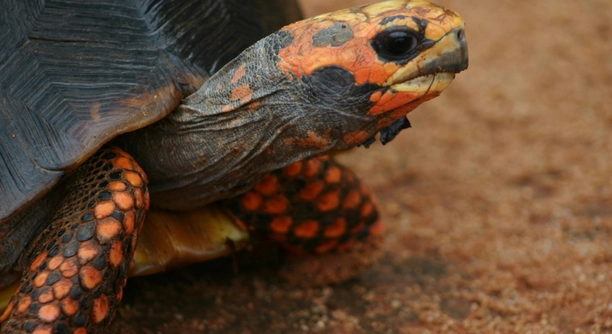
Red-footed tortoises are known for their unique behaviors. One of these behaviors includes stomping their feet. This action may seem unusual, but it serves important functions in their natural environment. Understanding this behavior can provide helpful insights.
The stomping behavior of red-footed tortoises is often a form of communication or territorial display. It may also be related to alertness or attracting attention, as stomping can create vibrations that signal their presence to other animals.
This behavior has both natural and instinctive roots that impact how tortoises interact with their surroundings. Understanding these actions is key to interpreting your pet’s behavior.
Reasons Behind the Stomping Behavior
Red-footed tortoises may stomp for several reasons. One common cause is communication. They may use this foot-stomping technique to communicate with other tortoises or animals around them. It is often an effective way to create vibrations in the ground, which alerts others of their presence. In some cases, stomping can also be a sign of territoriality. By stomping, a tortoise might be marking its space or showing dominance.
Stomping is an instinctive behavior. It occurs in wild environments where alerting others to danger or attracting mates is crucial for survival. This is especially important in areas where tortoises might encounter predators or competitors.
Another reason for the behavior is to attract a mate. In some cases, red-footed tortoises stomp as part of courtship rituals. The vibrations sent through the ground may signal availability and readiness for reproduction. Such behaviors are seen across different species of tortoises, especially when they are in breeding conditions. These stomps often become more noticeable during certain seasons, especially in captivity, when they sense changes in their environment. Understanding these factors can help you recognize the different causes behind your tortoise’s stomping.
Interpreting the Frequency of Stomping
It is important to pay attention to how often your tortoise stomps its feet. Frequent stomping could indicate distress, territoriality, or excitement. However, occasional stomping may not be cause for concern.
Understanding your tortoise’s behavior helps you manage their environment better, ensuring they are both comfortable and healthy. Frequent stomping may signal something is affecting them, such as changes in their habitat or social dynamics. If the stomping seems excessive, assessing their environment for stressors is key.
Stress and Stomping
Stress can trigger foot stomping in red-footed tortoises. Environmental changes, such as shifts in temperature, humidity, or habitat size, can cause discomfort. Stomping helps them signal that something is wrong or that they are feeling unsettled. It may also result from sudden changes in their daily routine or social interactions.
In some cases, stress is caused by other animals or pets in the same space. If they feel threatened or crowded, they might stomp to establish boundaries. This behavior can also occur if they feel insecure in their surroundings or if their enclosure is too small. Providing a stable, secure environment helps reduce stress.
Tortoises are highly sensitive to their surroundings. Changes in lighting, noise, or even the presence of new objects can unsettle them. If stomping is frequent, reassessing the conditions in their habitat might reveal underlying stress factors. It is important to maintain a calm, consistent environment for their well-being.
Stomping and Feeding Behavior
Stomping can also be related to feeding. Red-footed tortoises may stomp when they anticipate food or see food being prepared. They could associate the vibrations with the approach of a meal, especially if they have been conditioned to expect food at certain times.
This is a form of conditioned behavior. Over time, your tortoise might learn to associate specific actions or movements with feeding. If you regularly feed them after a certain activity, they may start stomping in anticipation. Stomping in this case may be seen as a learned response. This behavior is commonly observed in captive tortoises that have established routines around feeding times.
Health Issues and Stomping
Health problems can cause tortoises to stomp their feet. Pain from injury or discomfort may result in this behavior as they attempt to get attention or express distress. Stomping might also indicate digestive issues or discomfort from improper diet.
If stomping is coupled with other signs like lethargy, lack of appetite, or abnormal shell appearance, it could be a sign of an underlying health issue. Consulting a veterinarian is crucial if you notice these symptoms alongside foot stomping. Ensuring your tortoise is eating well and receiving proper care can help prevent such health concerns.
Territorial Behavior
Territoriality can cause foot stomping in red-footed tortoises. They may stomp to establish their dominance in a given space, especially when other tortoises or animals approach. It’s their way of marking their territory and communicating boundaries.
This behavior is common in both wild and captive tortoises. In an enclosed space, tortoises might become protective of their area and use stomping as a form of signaling others to keep their distance. Understanding this can help manage their social interactions and prevent aggressive behavior.
FAQ
Why does my red-footed tortoise stomp its feet?
Stomping is often a way for red-footed tortoises to communicate. It can signal distress, territorial behavior, or excitement. In some cases, they may stomp to alert other animals of their presence or to get attention. It is also a common behavior related to mating or feeding.
Can stomping indicate stress in my tortoise?
Yes, stomping can be a sign of stress. Changes in the environment, such as temperature shifts, noise, or the presence of other animals, can unsettle a tortoise. If your tortoise stomps frequently, it’s important to evaluate the habitat for any possible stressors that may be causing this behavior.
Should I be concerned if my tortoise stomps a lot?
Frequent stomping may indicate that your tortoise is not comfortable with its environment. It could be a sign of stress, discomfort, or health issues. Monitor for any additional signs like changes in behavior or health and consult with a veterinarian if needed.
How can I stop my tortoise from stomping?
To reduce stomping, create a stable and secure environment. Avoid sudden changes to temperature, lighting, or the habitat. Ensure that the enclosure is large enough and that your tortoise has ample space to roam. Regularly check for any potential stressors.
Is stomping related to mating?
Yes, stomping can be a form of courtship behavior. Tortoises may stomp their feet to signal their availability to a mate. The vibrations created by the stomping can be noticed by other tortoises, especially during mating seasons. This is a natural part of their reproductive behavior.
How can I tell if my tortoise is stomping due to injury or illness?
If your tortoise is stomping due to health issues, you may notice other signs, such as lethargy, lack of appetite, or abnormal behavior. Painful injuries or discomfort can make them stomp as a way of communicating their distress. If you suspect health problems, seek advice from a veterinarian.
Can stomping be a sign of a lack of food?
Yes, stomping can indicate that your tortoise is hungry or expecting food. Tortoises may learn to associate certain activities or vibrations with feeding times. They might stomp in anticipation of being fed, especially if they are conditioned to expect food at regular intervals.
What can I do if my tortoise is stomping and seems agitated?
If your tortoise is stomping and appears agitated, try to identify any stress factors in its environment. Is the habitat too crowded? Are there other animals nearby? Make adjustments to its living conditions, such as reducing noise or adding hiding spots to help your tortoise feel more secure.
Is foot stomping normal for all tortoises?
While stomping can occur in all species of tortoises, it is more commonly observed in red-footed tortoises. Different tortoises exhibit different behaviors, and stomping may be more pronounced in certain species. Observing your tortoise’s routine and environment will help you understand its specific needs and behaviors.
Can stomping be linked to other behavioral issues?
Yes, stomping can sometimes be linked to behavioral issues like aggression or territorial disputes. If your tortoise is kept with other animals, it may stomp to assert dominance. Addressing social dynamics and providing enough space for each animal can help reduce aggressive behaviors.
How can I reduce the frequency of stomping in my tortoise?
To reduce stomping, ensure your tortoise has a comfortable, well-maintained environment. Avoid drastic changes to their habitat, and offer plenty of space to roam. If they are kept with other animals, make sure there is enough space to avoid territorial disputes. Regularly monitor their behavior to spot any changes.
Can stomping be a sign that my tortoise wants attention?
Yes, stomping can be a way for your tortoise to get your attention. They may stomp when they feel neglected or want to interact. Spending time with your tortoise, offering treats, or engaging with them during stomping episodes can help them feel more secure and less likely to act out.
Final Thoughts
Understanding why your red-footed tortoise stomps its feet can help you provide better care and a more comfortable environment for your pet. Stomping can be a sign of excitement, stress, or even pain, so it’s important to consider the context. While occasional stomping may be normal, frequent or intense stomping may indicate an underlying issue that needs attention. Paying attention to changes in your tortoise’s behavior and environment can help you identify if there are any triggers causing this behavior.
It’s essential to regularly monitor your tortoise’s health, stress levels, and surroundings. Changes in their habitat, such as temperature fluctuations or noise, may make them feel unsettled, leading to stomping. Likewise, if they are kept with other pets or animals, they may stomp to establish their territory or show dominance. Making sure that their environment is stable, secure, and large enough can help prevent unnecessary stress or discomfort. In addition, creating a predictable routine for feeding and handling can help your tortoise feel more at ease.
If you notice other signs of distress, such as lack of appetite, lethargy, or abnormal behavior alongside stomping, it may be a sign that your tortoise needs medical attention. Consulting with a veterinarian can help address any potential health issues. Overall, while stomping is a common behavior, it’s important to look for patterns and understand the root cause. With proper care, you can ensure that your red-footed tortoise remains healthy and happy.

Hello,
If you enjoy the content that we create, please consider saying a "Thank You!" by leaving a tip.
Every little bit helps us continue crafting quality advice that supports the health, happiness, and well-being of pets around the world, for pets of all shapes, sizes, and species.
We really appreciate the kindness and support that you show us!