
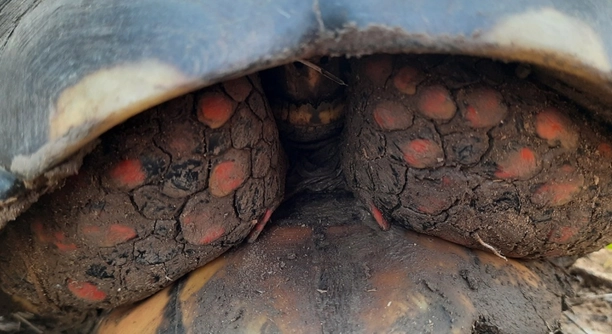
Red-footed tortoises are gentle creatures, but they may sometimes display aggression. This behavior can be alarming for owners. Understanding the reasons behind it is essential to ensure your tortoise remains healthy and happy.
Aggression in red-footed tortoises can result from various factors, including territorial disputes, stress, or improper care. Environmental conditions, diet, and handling also play a role in influencing their behavior. Identifying the cause is key to addressing the issue.
Understanding these reasons can help improve your tortoise’s well-being and prevent further aggression.
Stress and Environment
Stress is one of the primary reasons your red-footed tortoise may act aggressively. A change in environment, loud noises, or a crowded space can make your tortoise feel threatened. These creatures need a calm, safe space where they can roam without feeling trapped. Inadequate housing conditions, such as poor lighting, temperature, or humidity levels, can add to their stress.
Creating a proper habitat is essential to reducing stress. Ensure the enclosure has a warm, dry area, and a cooler, humid zone for your tortoise to retreat to. Adding plants or hiding spots can help your tortoise feel secure. If the enclosure is too small, they might become territorial and exhibit aggressive behavior.
Small changes in environment can have significant effects on your tortoise. A calm, well-balanced setting helps to reduce their stress levels, preventing aggression and encouraging a healthier lifestyle.
Improper Handling
Handling your red-footed tortoise improperly can also trigger aggressive behavior. These tortoises don’t enjoy being picked up or moved around frequently. If handled roughly or too often, they may become defensive. It’s important to approach them calmly, with gentle handling, to avoid causing stress.
Over time, your tortoise will begin to associate handling with discomfort. Always support their entire body and avoid sudden movements to prevent injury and aggression. Giving your tortoise space to explore at their own pace can prevent them from feeling cornered or threatened, which could lead to biting or retreating into their shell.
Territorial Behavior
Red-footed tortoises can display territorial aggression, especially during mating season or when there’s limited space. They tend to guard their favorite areas and may react aggressively to perceived intruders. When they feel their space is threatened, they may hiss, bite, or chase other animals.
Providing a larger, enriched enclosure can help reduce territorial disputes. Offering more space to roam gives your tortoise more control over its environment, lowering the chance of aggressive behavior. Adding multiple hiding spots, climbing areas, and basking zones can make the space feel less crowded and more secure. This reduces the need for your tortoise to protect their territory.
The key to preventing territorial aggression is making sure your tortoise has enough space to feel at ease. A properly sized enclosure with plenty of hiding places can significantly reduce stress and help keep aggression at bay.
Diet and Nutrition
Your red-footed tortoise’s diet can influence its behavior. Poor nutrition can lead to health issues, which may cause aggression. For example, a lack of proper calcium can result in a stressed and irritable tortoise. Ensure their diet consists of a variety of leafy greens, vegetables, and occasional fruits.
In addition to offering a balanced diet, providing supplements can help. Calcium and vitamin D3 are essential for healthy shell growth and overall well-being. Always avoid feeding them processed foods, as these can lead to health problems that affect their temperament. If your tortoise is underfed or malnourished, it may exhibit more aggression due to discomfort or pain.
Feeding your tortoise the right mix of nutrients supports its physical health and helps prevent mood swings. A consistent, nutritious diet can make a noticeable difference in your tortoise’s behavior and temperament.
Illness or Injury
Aggression in red-footed tortoises can sometimes be a sign of illness or injury. If your tortoise is in pain, it may react defensively. Common health issues such as respiratory infections or shell damage can cause discomfort and lead to aggressive behavior.
Pay attention to any changes in your tortoise’s movement or appetite. If they become more aggressive or withdrawn, it’s important to check for signs of injury or illness. A visit to the vet can help diagnose and treat any underlying health issues. Early treatment can prevent further discomfort or aggressive behavior.
Regular checks for wounds, infections, or signs of illness can help you catch problems early, improving your tortoise’s overall well-being and reducing aggression.
Breeding Behavior
During the breeding season, red-footed tortoises can become more aggressive. Males may display dominance behaviors, such as chasing or attempting to mount females. This is a natural instinct, but it can cause stress, especially in smaller enclosures. If breeding is not desired, separating males and females can reduce aggression.
Mating season can be particularly challenging if your tortoise is kept in a confined space. The presence of multiple tortoises can trigger territorial aggression. Providing each tortoise with its own space can help reduce unnecessary stress. Even if breeding is not the goal, it’s essential to monitor interactions between males and females during this time.
By adjusting the living situation during the breeding season, you can reduce unwanted aggression and create a calmer environment for your tortoise.
Overcrowding
Overcrowding can lead to increased aggression among red-footed tortoises. When multiple tortoises are housed in a small space, competition for resources like food, shelter, and basking spots increases. This often results in fights and territorial behavior.
To prevent aggression caused by overcrowding, ensure your enclosure is spacious enough for each tortoise. Larger spaces provide opportunities for them to claim territories and avoid unnecessary conflicts. Properly arranging the habitat with various hiding spots, feeding stations, and basking areas can also help reduce tension and keep the tortoises from fighting.
By addressing overcrowding, you create a more peaceful and healthier living environment for your tortoises.
FAQ
Why is my red-footed tortoise biting me?
Biting can be a sign of defense or discomfort. If your tortoise feels threatened or cornered, it may resort to biting as a way to protect itself. Tortoises are naturally cautious and may act aggressively if they feel unsafe or are overstimulated. Additionally, they might bite if they are not used to being handled or if they associate handling with stress. It’s important to approach them calmly and allow them to become accustomed to your presence.
How can I stop my red-footed tortoise from being aggressive?
Reducing aggression starts with creating a comfortable and secure environment for your tortoise. Make sure its enclosure is spacious, has appropriate temperature and humidity levels, and provides hiding spots for security. Avoid handling your tortoise too often, and always approach gently to avoid causing stress. Pay attention to its diet and health, as poor nutrition or illness can lead to irritability.
Can stress make my red-footed tortoise act aggressive?
Yes, stress is one of the leading causes of aggression in red-footed tortoises. Stress can be caused by various factors, including overcrowding, changes in the environment, improper handling, or loud noises. It’s crucial to maintain a calm and stable environment with proper lighting, temperature, and humidity. If your tortoise is stressed, it might show signs of aggression to protect itself.
Is it normal for my red-footed tortoise to become aggressive during breeding season?
Yes, aggression during the breeding season is normal. Male red-footed tortoises, in particular, can become more territorial and aggressive toward other males or females. This is part of their natural breeding behavior. If aggression becomes an issue, consider separating males and females or giving them more space to reduce territorial disputes.
How do I know if my red-footed tortoise is in pain?
Signs of pain in red-footed tortoises can include changes in behavior, such as aggression or lethargy. If your tortoise seems less active, has difficulty moving, or is hiding more than usual, it could be a sign of discomfort. Pay attention to any physical injuries like cracks in the shell or swollen limbs. If you notice these symptoms, it’s important to consult a vet for a proper diagnosis.
Can a poor diet cause my red-footed tortoise to act aggressively?
Yes, a poor diet can lead to aggression. If your tortoise isn’t receiving the proper nutrients, such as calcium and vitamins, it may experience discomfort or health issues that result in irritability. A well-balanced diet with leafy greens, vegetables, and occasional fruits helps to keep your tortoise healthy and less likely to become aggressive due to nutritional deficiencies.
Should I separate aggressive red-footed tortoises from the others?
If one of your tortoises is being consistently aggressive toward others, it’s a good idea to separate them. Aggression can escalate if there’s constant fighting or stress. Give each tortoise enough space to establish its own territory and avoid conflict. If they continue to act aggressively even when separated, it may be necessary to consider their overall care or health.
What temperature is best for reducing aggression in red-footed tortoises?
The optimal temperature for a red-footed tortoise should be around 80-85°F during the day and 70-75°F at night. Maintaining the right temperature is crucial for their comfort and well-being. Too cold or too hot an environment can lead to stress, which in turn can increase aggression. A properly heated basking area will also encourage healthy digestion and reduce stress-related behaviors.
Can overcrowding cause aggression in red-footed tortoises?
Yes, overcrowding is a common cause of aggression in red-footed tortoises. When multiple tortoises are housed in a small area, competition for food, space, and shelter can lead to fighting and territorial behavior. Providing ample space for each tortoise, along with multiple hiding spots and basking areas, can reduce the chances of aggression due to overcrowding.
How often should I handle my red-footed tortoise to avoid aggression?
Handling should be minimal to avoid stressing your tortoise. If handling is necessary, do so gently and infrequently. Too much handling can cause your tortoise to feel threatened, leading to defensive aggression. Over time, with proper care and space, your tortoise may become more tolerant of handling, but it’s always important to respect their boundaries.
Can changes in the environment cause aggression in red-footed tortoises?
Yes, sudden changes in the environment can be a source of stress for red-footed tortoises. Moving to a new enclosure, changes in temperature or lighting, or even changes in the placement of furniture within their habitat can all cause stress. Gradually adjusting your tortoise to these changes, along with maintaining a stable environment, can help minimize aggressive reactions.
What signs indicate that my red-footed tortoise is stressed?
Stress in red-footed tortoises may manifest as aggression, hiding more than usual, or lack of appetite. If your tortoise becomes more withdrawn or defensive, these could be signs of stress. Keep an eye on their overall health and behavior, and if necessary, adjust their environment to reduce stress factors.
Can improper lighting cause aggression in red-footed tortoises?
Yes, inadequate lighting can lead to stress and aggression in red-footed tortoises. They need both UVB and UVA light for proper health. Without these, they may not be able to metabolize calcium properly, leading to health problems and irritability. Ensure your tortoise’s enclosure is equipped with the correct lighting to support its needs.
Do red-footed tortoises get along with other pets?
Red-footed tortoises can coexist with other pets, but it depends on the situation. They may show aggression towards smaller animals or other tortoises due to territorial behavior. It’s important to monitor interactions closely. Always provide enough space and resources for each animal to avoid conflicts.
Can I help my red-footed tortoise become less aggressive with more socialization?
Socialization can help, but it’s important to do so carefully. Red-footed tortoises are not naturally social creatures and may prefer solitude. Gradual exposure to new experiences and gentle handling may reduce their defensiveness over time. Always respect their personal space and allow them to approach you on their own terms.
What can I do if my red-footed tortoise becomes aggressive when eating?
Aggression during feeding can be a sign of food-related competition or territorial behavior. If your tortoise is acting aggressively when eating, try feeding it in a separate area where it feels safe. Provide enough food to avoid competition, and remove any uneaten food after a set time to prevent territorial guarding.
Final Thoughts
Understanding why your red-footed tortoise acts aggressively can help you manage their behavior and ensure they stay healthy. The key factors contributing to aggression include stress, poor handling, improper diet, and environmental conditions. By addressing these areas, you can create a more comfortable space for your tortoise and reduce aggressive behavior. It’s important to monitor your tortoise’s health and environment regularly to avoid unnecessary stress. With patience and careful observation, you can help your tortoise feel secure and less likely to act aggressively.
If your tortoise’s aggression is linked to stress, it’s essential to provide a stable, calm environment. This includes ensuring the right temperature, humidity, and lighting in their enclosure. Additionally, keeping their habitat clean and spacious with enough hiding spots will give them a sense of security. Handling should be minimal and gentle to avoid overwhelming them. These small changes can make a big difference in their behavior. Over time, your tortoise will likely become more comfortable and less reactive to everyday situations.
Remember, red-footed tortoises are naturally independent creatures and may require time to adjust to new environments or people. Aggression is often a defense mechanism rather than an intentional display of anger. By recognizing the signs of stress or discomfort and responding accordingly, you can build trust with your tortoise and reduce aggressive behavior. With the right approach and environment, your red-footed tortoise can thrive and remain calm, allowing both of you to enjoy a positive relationship.

Hello,
If you enjoy the content that we create, please consider saying a "Thank You!" by leaving a tip.
Every little bit helps us continue crafting quality advice that supports the health, happiness, and well-being of pets around the world, for pets of all shapes, sizes, and species.
We really appreciate the kindness and support that you show us!