
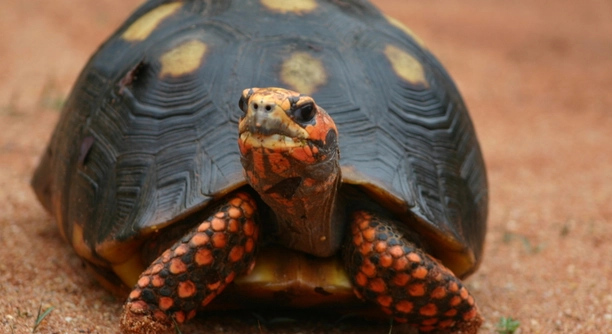
Is your red-footed tortoise stomping its feet, leaving you wondering what it means? This behavior can be surprising, especially if you are unsure whether it signals excitement, discomfort, or a natural instinct. Understanding the reason behind it can be helpful.
Red-footed tortoises stomp their feet for various reasons, including territorial displays, mating behaviors, or stress responses. This movement can indicate excitement, an attempt to assert dominance, or discomfort due to environmental factors such as temperature changes, substrate texture, or unfamiliar surroundings.
Recognizing the cause of this behavior can help you ensure your tortoise’s well-being. Environmental adjustments and careful observation can make a significant difference in their comfort and overall happiness.
Understanding the Reasons Behind Foot Stomping
Red-footed tortoises stomp their feet for different reasons, and their environment plays a key role in this behavior. Sometimes, they stomp when they feel stressed or threatened, reacting to changes in their surroundings. Other times, it can be a natural part of their social interactions. If a tortoise is in mating season, it may stomp as a display to attract a mate. Additionally, foot stomping can be a response to discomfort, such as an improper substrate or a habitat that is too hot or cold. Observing their body language can provide more insight.
If your tortoise is stomping frequently, it is important to assess its habitat. Ensure the temperature, humidity, and substrate are suitable. Stomping that occurs alongside signs of distress, such as loss of appetite or hiding, may indicate a health issue. A well-balanced environment can help reduce unnecessary stress and discomfort.
A tortoise’s behavior is often linked to its surroundings. If something is off, it will react accordingly. Monitoring their daily habits can help you determine whether the stomping is harmless or a sign of distress. Making small adjustments can improve their comfort and overall well-being.
How to Address Foot Stomping
A tortoise’s stomping can sometimes be resolved by simple environmental adjustments. Checking for potential stressors is a good first step. Factors like loud noises, sudden movements, or overcrowding in a shared space may contribute to this behavior.
Start by evaluating the habitat’s conditions. The enclosure should have proper temperature gradients, ranging between 75°F and 85°F, with a basking spot near 90°F. Humidity levels should remain between 50% and 70% to support their natural needs. The substrate should be soft and natural, avoiding rough or uncomfortable materials. If your tortoise is stomping near food, ensure it has a balanced diet with leafy greens, fruits, and protein sources.
Social interactions also matter. If multiple tortoises share a space, one may be asserting dominance over another. Providing enough space and hiding spots can help reduce territorial stress. If the stomping is part of mating behavior, it will usually pass once the season ends. However, if stomping continues despite adjustments, consulting a reptile specialist may be necessary. Addressing potential triggers early can help maintain a comfortable and stress-free environment.
Common Triggers for Foot Stomping
Tortoises may stomp their feet due to changes in their environment. Sudden temperature shifts, new objects in their enclosure, or an unfamiliar scent can cause a reaction. If the stomping happens suddenly, it is worth checking for recent adjustments that may be affecting them.
Stress can also come from loud noises or frequent disturbances near their habitat. If they feel unsafe, they may stomp as a defensive reaction. Overcrowding with other tortoises can lead to territorial behavior, increasing the chances of stomping. Providing enough space and hiding areas can reduce this stress.
Some tortoises stomp when they are hungry or excited about food. If stomping happens before feeding time, it could be a sign of anticipation. Ensuring a consistent feeding schedule and offering a variety of nutritious foods can help regulate their behavior and prevent excessive foot-stomping.
When to Be Concerned
Frequent and intense foot stomping could indicate discomfort or health issues. If it is accompanied by lethargy, loss of appetite, or irregular breathing, it may be a sign of an underlying problem. Checking for other behavioral changes can help determine if veterinary attention is needed.
Skin irritation or injuries on their feet should not be ignored. Rough or unsuitable substrate can cause abrasions, leading to discomfort and stomping. Regularly inspecting their feet for cuts, swelling, or redness can help catch potential issues early. If any abnormalities are found, switching to a softer substrate and consulting a reptile specialist is recommended.
Long-term stomping without an identifiable cause should be monitored closely. If the behavior persists despite habitat adjustments and proper care, a veterinarian can help rule out internal health concerns. Addressing potential problems early can prevent further complications and ensure your tortoise remains comfortable and stress-free.
Creating a Comfortable Environment
A well-maintained habitat can reduce stress-related behaviors. Ensure the enclosure is spacious, with a temperature range of 75°F to 85°F and a basking area near 90°F. A proper humidity level between 50% and 70% supports their health and prevents unnecessary discomfort.
The substrate should be soft and natural, avoiding rough materials that could irritate their feet. Coconut coir, cypress mulch, or a mix of soil and sand work well. Adding hiding spots, logs, and plants can create a more enriching space, helping your tortoise feel secure and reducing stress-related stomping.
Observing Behavioral Patterns
Noting when and where your tortoise stomps can provide useful insights. If it happens mainly at feeding time, it may be excitement. If it occurs randomly or alongside stress signs, adjusting the habitat or routine may help reduce the behavior.
Final Thoughts
Understanding why your tortoise stomps its feet can help create a better living environment. Paying attention to their needs and making small adjustments can prevent discomfort and stress, ensuring they remain happy and healthy.
FAQ
Why does my red-footed tortoise stomp its feet when I approach?
Tortoises sometimes stomp when they feel threatened or overstimulated. If they are not used to human interaction, sudden movements or unfamiliar scents may cause a defensive reaction. Approaching slowly and handling them gently can help them feel more comfortable over time.
Is foot-stomping a sign of aggression?
Not always. While some tortoises may stomp when asserting dominance, it is not always linked to aggression. It can also be a response to excitement, discomfort, or changes in their surroundings. Observing their body language can help determine the reason for their behavior.
Can stomping indicate that my tortoise is in pain?
Yes, persistent stomping combined with signs like swelling, limping, or lack of appetite may indicate pain or discomfort. Checking their feet for injuries, infections, or irritation from the substrate can help identify the issue. If symptoms persist, consulting a reptile veterinarian is recommended.
Does temperature affect foot-stomping behavior?
Extreme temperatures can cause discomfort, leading to unusual behaviors, including foot stomping. If the enclosure is too hot or too cold, they may try to adjust by moving restlessly or stomping. Keeping their habitat within the ideal temperature range can prevent temperature-related stress.
Should I be worried if my tortoise only stomps before eating?
If your tortoise stomps primarily before meals, it is likely a sign of anticipation rather than a problem. Some tortoises display excitement when they recognize feeding time. Maintaining a consistent schedule and offering a variety of nutritious foods can keep them engaged and satisfied.
Can boredom cause my tortoise to stomp its feet?
Yes, red-footed tortoises need mental and physical stimulation. Without enrichment, they may develop repetitive behaviors like stomping. Providing hiding spots, climbing structures, and varied food textures can help keep them engaged and reduce unnecessary foot-stomping.
Is foot-stomping common in all red-footed tortoises?
Not all red-footed tortoises stomp their feet, but it is not uncommon. Some may be more expressive than others, showing different reactions to their environment. If the behavior is occasional and not accompanied by signs of distress, it is usually not a concern.
How can I tell if my tortoise’s stomping is due to stress?
If foot-stomping is frequent and combined with other stress indicators like hiding, refusing food, or pacing, it may be stress-related. Assessing their habitat, ensuring they have enough space, and minimizing disruptions can help reduce their anxiety.
Can other tortoises cause my red-footed tortoise to stomp?
Yes, if housed with other tortoises, competition for space or food can lead to stomping as a territorial behavior. Providing ample space and separate feeding areas can help prevent conflicts and reduce stress-related reactions.
What should I do if my tortoise’s stomping becomes excessive?
If stomping happens too often or suddenly increases, checking their habitat, diet, and overall health is essential. If no environmental changes or clear causes are found, consulting a reptile veterinarian can help rule out health concerns and provide guidance.
Final Thoughts
Red-footed tortoises may stomp their feet for various reasons, including excitement, stress, discomfort, or communication. Observing their behavior closely and identifying patterns can help determine the cause. Ensuring they have a well-maintained habitat with proper temperature, humidity, and enrichment can prevent unnecessary stress. If the stomping is occasional and not accompanied by other signs of distress, it is likely a normal part of their behavior. However, if it becomes excessive, sudden, or is paired with unusual symptoms, it is important to investigate further. Small adjustments in their environment or routine can often resolve the issue.
Understanding the needs of a red-footed tortoise is essential for their well-being. They require a balanced diet, a spacious enclosure, and a comfortable temperature range. Stressors such as overcrowding, sudden movements, or unfamiliar scents can sometimes trigger foot-stomping behavior. Providing hiding spots, consistent handling, and a predictable routine can help them feel secure. If they are stomping due to boredom, adding enrichment activities like climbing structures and different textures in their habitat can be beneficial. Keeping their living conditions stable and offering stimulation can prevent behavioral issues and promote a healthier, happier tortoise.
Every red-footed tortoise has its own personality and unique ways of expressing itself. Some may be more reactive to changes, while others remain calm in different situations. Paying attention to their individual behaviors and responses helps in understanding their needs better. Regular health checks, proper nutrition, and a stress-free environment contribute to their overall well-being. If concerns arise about their behavior, seeking advice from an experienced reptile veterinarian can provide valuable insights. By creating a comfortable and enriching space, you can ensure that your tortoise remains healthy, active, and content in its environment.

Hello,
If you enjoy the content that we create, please consider saying a "Thank You!" by leaving a tip.
Every little bit helps us continue crafting quality advice that supports the health, happiness, and well-being of pets around the world, for pets of all shapes, sizes, and species.
We really appreciate the kindness and support that you show us!