
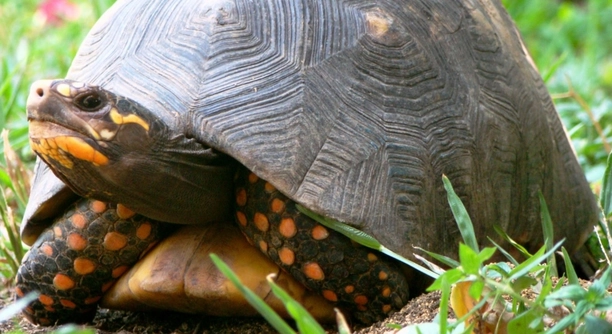
Red-footed tortoises are known for their calm nature, but sometimes they can act aggressively. Understanding the reasons behind this behavior can help you care for your pet more effectively and keep things peaceful.
Aggressive behavior in red-footed tortoises can result from various factors such as territorial disputes, improper diet, or stress. Environmental conditions, lack of stimulation, or even hormonal changes may contribute to increased aggression. Addressing these causes can improve your tortoise’s behavior.
By understanding the underlying causes, you can make adjustments to your tortoise’s habitat and routine. This will help prevent aggressive behavior and ensure a more harmonious environment for both of you.
Stress and Environmental Factors
Red-footed tortoises are sensitive to changes in their environment. Stress can occur from several sources, such as temperature fluctuations, insufficient space, or a lack of hiding spots. When their environment is not optimal, they may become irritable and exhibit aggressive behavior. Ensure your tortoise’s habitat is consistent and comfortable, as this will reduce stress and improve overall well-being.
A balanced enclosure with proper humidity and temperature settings will make a noticeable difference. Red-footed tortoises require a warm environment, with temperatures ranging from 75°F to 95°F during the day. Adding hiding places and enough space for movement helps to reduce stress.
Behavioral changes, like aggression, can be a sign that your tortoise is uncomfortable. When providing the right environment, consider the placement of items inside the enclosure to create a natural and secure space. Consistency is key for long-term health and happiness, as it creates a sense of stability for your pet.
Diet and Nutrition
Diet plays an important role in your tortoise’s behavior. If your tortoise isn’t getting the right nutrients, it may become irritable or aggressive. A lack of fiber, for instance, can cause digestive issues that contribute to behavioral changes. Ensure your tortoise’s diet includes a variety of leafy greens, fruits, and vegetables to keep them healthy and happy.
Tortoises may also show aggression if their food is too limited or if they’re overfed. Overeating can lead to discomfort, resulting in negative behavior. Aim for a well-rounded diet that supports both physical health and positive behavior. Be mindful of feeding schedules and portion sizes to avoid triggering aggression.
Hormonal Changes
Hormonal changes, especially during breeding seasons, can cause red-footed tortoises to act more aggressively. Male tortoises, in particular, may display territorial behavior or become more dominant when they sense a female nearby. This is a natural response, but it can lead to frustration or aggression.
During mating seasons, male tortoises may fight for territory, sometimes showing aggression toward other males or even females. It’s important to monitor these changes and make adjustments to their environment. Reducing stressors and providing ample space can help minimize aggression during this period.
If aggression persists, consider separating males to prevent territorial fights. Offering a balanced diet and ensuring a peaceful environment can help reduce the stress associated with hormonal changes. Proper care during this time is essential to keeping your tortoise calm and healthy.
Health Issues
Pain or illness may also lead to aggression in red-footed tortoises. If your tortoise is not feeling well, they may become more defensive or irritable. Common health issues like shell rot or respiratory infections can cause discomfort, leading to a change in behavior.
A visit to the vet can help rule out any underlying health conditions. If your tortoise is showing signs of discomfort, such as refusing food or moving less, it’s important to seek professional care. Health problems can make your tortoise more sensitive to handling or changes in their environment.
Maintaining a regular health checkup schedule is key to catching issues early. Proper nutrition and a clean environment will also support overall health, keeping your tortoise happy and less likely to act aggressively due to pain or illness.
Territorial Behavior
Red-footed tortoises can be very territorial, especially in confined spaces. If your tortoise feels that its territory is being threatened, it may react aggressively. This is common when other pets or animals are introduced into its environment.
To minimize territorial aggression, provide plenty of space and hiding spots. A larger enclosure will help reduce the chances of your tortoise feeling crowded or threatened. If introducing another animal, do so slowly and cautiously.
Providing a stable and secure space for your tortoise helps ensure it feels safe, reducing the chance of aggressive behavior due to territorial instincts.
Lack of Stimulation
Tortoises need mental and physical stimulation to stay content. Without enough enrichment, they may become bored or stressed, leading to aggression. Offering toys or objects to explore can keep your tortoise engaged and reduce irritability.
When left without stimulation, your tortoise may display aggression toward its environment or even you. Create a more interactive space by introducing new elements for exploration, such as logs, rocks, or plants.
Keeping their environment interesting will help your tortoise feel more relaxed and reduce aggressive tendencies brought on by boredom.
Overcrowding
Overcrowding can quickly lead to stress and aggression in red-footed tortoises. When there are too many tortoises in one space, they may fight for resources or territory, which leads to aggressive behaviors.
If you have more than one tortoise, make sure they each have their own space and sufficient food. Avoid overcrowding to maintain a peaceful environment. Each tortoise should have enough room to roam freely and access food and water without competition.
FAQ
Why is my red-footed tortoise suddenly aggressive?
Aggression in red-footed tortoises can result from several factors, such as stress, hormonal changes, or environmental issues. If the tortoise feels threatened, cramped, or uncomfortable, it may react aggressively. Environmental stressors, like temperature fluctuations or improper lighting, can also trigger defensive behaviors. It’s important to assess their living conditions and adjust them to ensure a more comfortable space.
How can I reduce aggression in my red-footed tortoise?
To reduce aggression, make sure your tortoise has enough space, proper hiding spots, and an appropriate environment. Regularly check the temperature and humidity in the enclosure, as discomfort in these areas can lead to stress. Additionally, ensure your tortoise has a well-balanced diet and isn’t overfed or underfed, as this can also contribute to aggressive behavior.
Can hormonal changes cause my red-footed tortoise to act aggressively?
Yes, hormonal changes, particularly during the breeding season, can cause red-footed tortoises, especially males, to act more aggressively. Males often become territorial and may display aggressive behaviors such as biting or chasing other tortoises. If you notice such behavior during breeding periods, it is typically temporary and can be managed by adjusting the environment or separating aggressive tortoises.
What should I do if my red-footed tortoise refuses to eat?
If your tortoise refuses food, check for signs of illness, stress, or environmental issues. A sudden refusal to eat could indicate an underlying health problem, such as a respiratory infection or shell rot. Ensure the enclosure is clean, properly heated, and well-lit. A visit to the vet may be necessary if the refusal persists.
Are there certain foods that could be making my tortoise more aggressive?
Yes, diet can affect behavior. A poorly balanced diet or a lack of essential nutrients could cause your tortoise to feel unwell or irritable, leading to aggressive actions. Ensure you are feeding a variety of leafy greens, fruits, and vegetables that are appropriate for your red-footed tortoise. Avoid feeding them too much fruit, as it can lead to imbalance, and make sure they’re getting enough fiber.
Can I keep two male red-footed tortoises together?
It’s not recommended to keep two male red-footed tortoises together in the same enclosure, especially if there is limited space. Males are territorial and will often compete for dominance. This can lead to aggressive interactions, fights, and stress. If you must house them together, ensure the enclosure is large enough to allow for safe separation and plenty of hiding spots.
How often should I change my red-footed tortoise’s habitat?
Regular cleaning of your tortoise’s habitat is important to maintain a healthy environment. Spot clean the enclosure daily to remove waste, and perform a deeper cleaning once a week to sanitize the entire area. Change the substrate and replace any soiled items to prevent bacteria buildup. Ensuring a clean environment can help reduce stress and prevent health issues that might trigger aggression.
Can lack of space cause my tortoise to act aggressively?
Yes, overcrowding or lack of space can lead to aggression. Red-footed tortoises need a spacious enclosure where they can move freely and establish their own territory. If they feel cramped or unable to retreat to a safe spot, they may become stressed and exhibit aggressive behavior. Make sure the enclosure is large enough to accommodate your tortoise comfortably and allows for exploration.
What are the signs that my tortoise is stressed?
Signs of stress in red-footed tortoises include excessive hiding, loss of appetite, pacing or circling in the enclosure, and changes in their behavior, such as aggression. If your tortoise is consistently showing these signs, it’s a good idea to assess the environment for any potential stressors, such as improper temperature, overcrowding, or lack of enrichment.
Should I separate my aggressive red-footed tortoise from the others?
If one of your tortoises is being particularly aggressive, it might be best to separate them temporarily. This is especially important if aggression is leading to physical harm or significant stress for other animals. By offering them their own space, you can prevent injury and give them time to calm down before reintroducing them to other tortoises.
How can I tell if my tortoise is sick or just acting aggressively?
Aggressive behavior can sometimes be mistaken for illness, but there are distinct signs to look for. A sick tortoise may show other symptoms, such as lethargy, difficulty breathing, or changes in their stool. If you notice any unusual behavior along with aggression, it’s a good idea to have a vet examine your tortoise to rule out health problems.
Is it normal for my tortoise to be aggressive during mating season?
Yes, it is normal for male red-footed tortoises to show aggression during mating season. They may display territorial behaviors, such as chasing or biting other tortoises, especially other males. This is natural and related to their mating instincts. During this time, separating males or providing more space can help reduce aggression.
How can I keep my red-footed tortoise happy and prevent aggression?
A happy and healthy red-footed tortoise requires proper care and attention to its needs. Ensure that their habitat is spacious, clean, and well-maintained, with the right temperature and humidity levels. Provide a variety of foods and enrichment activities to prevent boredom. Regular health checkups and monitoring for any signs of stress or illness will also help keep aggression at bay.
Does the temperature affect my tortoise’s behavior?
Yes, temperature plays a significant role in your tortoise’s behavior. If the enclosure is too hot or too cold, it can cause stress, leading to aggressive behavior. Make sure the habitat has a temperature gradient so your tortoise can regulate its body temperature. Providing a basking area with appropriate heat and a cooler zone will help maintain a comfortable environment.
Final Thoughts
Managing aggression in red-footed tortoises involves understanding the various factors that can affect their behavior. Stress, poor living conditions, and hormonal changes are common causes. By keeping their habitat clean, spacious, and at the correct temperature, you can reduce the likelihood of aggressive behavior. Ensuring they have a balanced diet is also important for their overall health and well-being, as an improper diet can contribute to stress or irritability. If aggression persists despite these adjustments, a visit to the vet can help rule out any underlying health issues.
Observing your tortoise closely is key to noticing signs of aggression and stress early. Watch for behaviors like pacing, biting, or hiding, which might signal discomfort or unease. By recognizing these behaviors early, you can make necessary changes to their environment before the situation worsens. It’s also essential to be patient, as some tortoises may need time to adjust to new surroundings or routines. Gradual changes and consistent care are often the best way to foster a calm and balanced tortoise.
Lastly, it’s important to remember that every tortoise is unique. What works for one may not work for another. Trial and error may be necessary to find the right approach to address aggression. By making sure they have enough space, proper care, and a suitable diet, you will go a long way in preventing or managing aggressive behavior in your red-footed tortoise. With the right care and environment, they can thrive and show their natural, calm personality.

Hello,
If you enjoy the content that we create, please consider saying a "Thank You!" by leaving a tip.
Every little bit helps us continue crafting quality advice that supports the health, happiness, and well-being of pets around the world, for pets of all shapes, sizes, and species.
We really appreciate the kindness and support that you show us!