
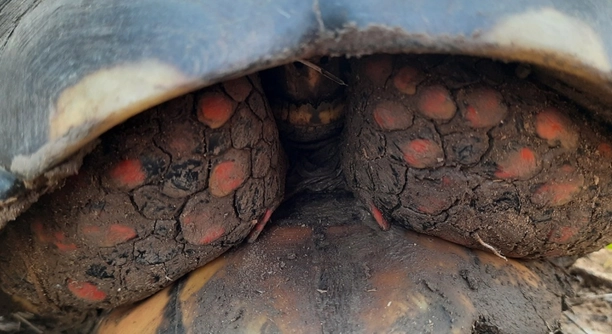
Sometimes, you may notice your red-footed tortoise staring at the wall, seemingly lost in thought. It can be puzzling, especially when this behavior occurs repeatedly. Understanding why your tortoise is doing this can help you address its needs.
Red-footed tortoises may stare at the wall due to stress, boredom, or environmental factors. If they feel their habitat lacks stimulation or if there are changes in their surroundings, they may fixate on a spot, exhibiting repetitive behavior.
This behavior can be managed by providing a more enriching environment for your tortoise. By understanding its needs, you can create a better space for it to thrive.
Understanding the Behavior of Red-Footed Tortoises
Red-footed tortoises are curious creatures, and their behavior can sometimes be puzzling. If your tortoise keeps staring at the wall, it could be a sign that something isn’t quite right in its environment. These tortoises are not used to being confined to a small space, and without enough stimulation, they can become stressed. In some cases, a lack of proper enrichment can lead them to exhibit unusual behaviors, such as staring at a wall or focusing on a single spot for long periods.
It’s important to consider the overall setup of their habitat. If your tortoise is in a small tank or cage with limited space to roam, it might be frustrated and exhibit these types of behaviors.
The key to solving this issue is to provide a larger, more engaging environment. Tortoises need space to explore, so a bigger enclosure is crucial. Additionally, ensure that the space has various hiding spots, branches, or different textures for the tortoise to interact with. Adding plants and other natural elements can also help mimic its natural habitat, providing a more enriching environment.
How Stress Impacts Red-Footed Tortoises
Stress can have a significant effect on your red-footed tortoise. This can stem from a variety of sources, including environmental changes, improper diet, or a lack of social interaction.
Stress can lead to a range of health issues for your tortoise, including poor appetite, lethargy, and even digestive problems. If you notice that your tortoise is constantly staring at the wall or displaying other repetitive behaviors, it might be a sign of underlying stress. To reduce stress, it’s essential to maintain a stable environment, keep the habitat clean, and provide a balanced diet.
Addressing the stress factors will help your tortoise feel more comfortable and reduce the likelihood of fixating on a single spot. A stress-free environment will also encourage natural behaviors, allowing your tortoise to thrive in its enclosure.
Limited Space and Its Effects
A cramped enclosure can cause your tortoise to feel confined and stressed. When space is limited, your tortoise lacks the freedom to roam and explore, which are natural behaviors for them.
Red-footed tortoises need space to move around freely. If the enclosure is too small, they may become restless, displaying behaviors like staring at the wall or repetitive actions. Larger enclosures with various features, such as hiding spots and climbing objects, will help alleviate this issue. Tortoises also need room for exercise, which supports their physical and mental well-being. Giving them more space is one of the simplest solutions to address this behavior.
Adding layers of different textures, such as soil, sand, and rocks, can encourage natural digging behavior and help prevent boredom. Tortoises enjoy climbing, so incorporating logs or branches can make the environment more stimulating. A larger, more dynamic habitat can significantly improve your tortoise’s quality of life and reduce unwanted behaviors.
Environmental Factors to Consider
Environmental factors like lighting, temperature, and humidity can contribute to unusual behavior. If your red-footed tortoise feels uncomfortable, it may fixate on a particular spot, such as a wall.
Inadequate lighting and temperature could cause discomfort and stress for your tortoise. Red-footed tortoises require specific UVB lighting to help with calcium absorption, which is essential for their health. The temperature should be carefully regulated to provide warmth during the day and cooler areas for rest. If these factors are not optimized, your tortoise may appear restless or fixated on the wall.
Adjusting the temperature and ensuring proper lighting can make a noticeable difference in your tortoise’s behavior. Make sure the habitat provides both warm and cool areas for your tortoise to move between. This will encourage natural behaviors, such as basking and resting, and help your tortoise feel more comfortable in its environment.
Lack of Mental Stimulation
Without enough mental stimulation, your tortoise may engage in repetitive behaviors. They need things to interact with, such as objects to climb on or textures to explore.
A lack of enrichment can lead to boredom, which often results in staring at walls or remaining inactive for long periods. Tortoises enjoy investigating their surroundings, and if there’s nothing to engage them, they may focus on a fixed point. Adding variety, like plants or new hiding spots, can encourage your tortoise to move around and explore, preventing it from fixating on one spot.
Social Interaction and Attention
While red-footed tortoises aren’t social in the same way mammals are, they still require attention and care. If they don’t feel acknowledged, they might become stressed.
Providing attention through feeding times or handling can help reduce anxiety. While it’s important not to overwhelm your tortoise, regular interaction lets them feel secure. Being consistent with feeding times and offering occasional handling can keep your tortoise comfortable and less likely to develop obsessive behaviors, like staring. Understanding the balance between independence and care is key to preventing stress.
Handling and Human Interaction
It’s essential to handle your tortoise gently and without overwhelming it. While some tortoises enjoy brief handling sessions, others may prefer minimal interaction.
Excessive handling can lead to stress and, over time, may cause your tortoise to retreat into itself, appearing distracted or unfocused. Offering a calm and comfortable environment will help your tortoise feel secure, reducing unwanted behaviors like staring. If your tortoise shows signs of discomfort when handled, it’s important to give it space and respect its preferences.
FAQ
Why is my red-footed tortoise staring at the wall?
Your red-footed tortoise may be staring at the wall due to stress, boredom, or discomfort. A lack of stimulation or insufficient space in the enclosure can lead to this behavior. If the environment doesn’t offer enough to engage your tortoise, such as objects to climb on or places to explore, it might fixate on a specific spot. Additionally, improper lighting, temperature, or humidity could also cause discomfort, leading to the repetitive action of staring. It’s important to provide a more enriched and comfortable habitat to prevent this.
How can I tell if my red-footed tortoise is stressed?
Signs of stress in a red-footed tortoise include lack of appetite, lethargy, and unusual behavior like excessive hiding or fixating on one spot. Stressed tortoises may also show physical signs such as a withdrawn head or limbs. If your tortoise is constantly staring at walls or seems less active, it could be a sign of stress. Addressing the environmental conditions like temperature, lighting, and space is key to reducing stress. Providing enrichment in the form of objects to explore and hiding spots can also help.
Can a red-footed tortoise live alone?
Yes, red-footed tortoises can live alone. They are solitary animals by nature, and they do not need the company of other tortoises to thrive. However, it is still important to provide them with adequate stimulation and enrichment to prevent boredom. You can ensure their happiness by creating a varied environment with plenty of places to explore, climb, and hide. Make sure their habitat mimics their natural surroundings to meet their needs for space and environmental comfort.
What should I do if my tortoise is not eating?
If your tortoise is not eating, it could be due to stress, poor environmental conditions, or health issues. First, check the temperature and humidity levels in the enclosure, as improper conditions can make them lose their appetite. If the habitat is suitable, try offering a variety of food items such as leafy greens, fruits, and vegetables to see if your tortoise prefers a different diet. If the lack of eating persists, a vet visit may be necessary to rule out any underlying health problems.
How can I prevent my tortoise from staring at the wall?
To prevent your tortoise from staring at the wall, ensure it has a large, engaging environment with various elements for stimulation. Provide climbing opportunities, hiding spots, and different textures to explore. Regularly change up the habitat layout to offer fresh challenges for your tortoise. Additionally, make sure the lighting, temperature, and humidity are ideal, as improper conditions can also cause stress. Lastly, avoid handling your tortoise too often or too roughly, as it may also be a factor in their repetitive behavior.
How much space does a red-footed tortoise need?
A red-footed tortoise requires a relatively large enclosure to move freely. For an adult tortoise, a minimum of 4 feet by 4 feet of space is recommended. Larger enclosures allow them to roam, dig, and explore, which is essential for their physical and mental health. In addition to the space for movement, the enclosure should also have different areas for basking and hiding, as well as a secure spot for sleep. The more space you provide, the happier and healthier your tortoise will be.
Is it safe to handle my red-footed tortoise frequently?
While it’s okay to handle your red-footed tortoise occasionally, frequent handling can cause stress. Tortoises are naturally independent creatures, and excessive handling may make them feel threatened or uncomfortable. Short and gentle interactions are best, and it’s important to observe your tortoise’s reactions. If it shows signs of discomfort, such as retreating into its shell or becoming defensive, it’s best to limit handling. Always ensure your tortoise feels safe and secure in its environment before attempting to interact.
What kind of lighting does a red-footed tortoise need?
Red-footed tortoises require UVB lighting to help them synthesize vitamin D3, which is essential for calcium absorption. Without proper UVB exposure, they can develop metabolic bone disease. In addition to UVB lighting, your tortoise also needs a basking light to provide warmth, simulating the natural sunlight they would receive in the wild. Ensure the basking area reaches a temperature of around 90°F to 95°F, and the cooler areas of the habitat should be between 75°F and 85°F. Regularly replace UVB bulbs to ensure they are functioning properly.
Can I feed my tortoise only fruit?
While red-footed tortoises enjoy fruits, it’s important not to feed them only fruit. A diet consisting primarily of fruit can lead to nutritional imbalances, particularly an excess of sugar. Their diet should primarily consist of leafy greens, grasses, and vegetables, with fruit offered in moderation. It’s best to provide a variety of foods to ensure they get the necessary nutrients. Foods like dandelion greens, collard greens, and squash are excellent choices. Fruits such as papaya and berries can be given occasionally as a treat.
What temperature should the habitat be for my red-footed tortoise?
Red-footed tortoises require a temperature gradient in their enclosure to regulate their body heat. The basking area should be between 90°F and 95°F, while the cooler end of the habitat should range between 75°F and 85°F. The night temperature can drop to around 70°F, but it should not fall below 65°F. Providing a heat source such as a basking light is crucial, but it’s equally important to offer a cooler area for resting. Maintaining proper temperature levels is key to keeping your tortoise healthy and comfortable.
Final Thoughts
Understanding why your red-footed tortoise stares at the wall is essential for addressing the issue and improving its well-being. The behavior often points to stress or boredom, and the key to resolving it is ensuring the environment is enriching and comfortable. A lack of stimulation in its habitat could cause your tortoise to become fixated on certain spots, such as the wall. It’s important to create a varied and spacious living area that mimics its natural habitat as closely as possible. Additionally, regularly checking the temperature, humidity, and lighting ensures that the tortoise’s physical needs are met, which can reduce any discomfort or stress that might lead to staring.
Red-footed tortoises are intelligent and curious creatures, so providing them with activities and opportunities to explore is crucial for their mental stimulation. Small changes in the habitat, such as adding new climbing objects, hiding places, or varying the layout of the enclosure, can encourage natural behaviors and prevent boredom. Enriching their environment is just as important as maintaining the proper environmental conditions. Consider offering your tortoise new food items, varied textures, and different materials to interact with. The more engaged they are, the less likely they will develop repetitive behaviors like staring at the wall.
While staring at the wall can be troubling, it’s often a sign that the tortoise’s needs aren’t being fully met. By ensuring the right balance of space, comfort, and stimulation, you can improve its quality of life and reduce this type of behavior. If the issue persists despite making changes, it’s always wise to consult with a veterinarian who specializes in reptiles. They can help rule out any underlying health concerns that might be contributing to the problem. Ultimately, the more you understand your tortoise’s needs, the easier it will be to create a happy and healthy environment for it to thrive.

Hello,
If you enjoy the content that we create, please consider saying a "Thank You!" by leaving a tip.
Every little bit helps us continue crafting quality advice that supports the health, happiness, and well-being of pets around the world, for pets of all shapes, sizes, and species.
We really appreciate the kindness and support that you show us!