
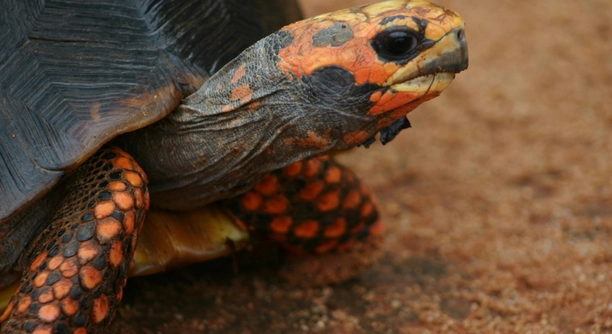
Red-footed tortoises thrive in environments with carefully selected plants. These plants not only provide food but also help create a comfortable, natural habitat. Knowing which plants are safe for your tortoise is essential for their well-being.
Several plants are safe for red-footed tortoises, including dandelion, clover, hibiscus, and certain grasses. These plants offer a range of nutrients and textures, supporting their health while enhancing the enclosure’s appearance. Always ensure that the plants are pesticide-free.
Incorporating the right plants into your tortoise’s enclosure will create a more vibrant and natural environment for them to explore.
Dandelion: A Healthy and Natural Addition
Dandelions are one of the best plants for red-footed tortoises. They are rich in vitamins A, C, and K, and they also contain minerals like calcium and magnesium, which are essential for your tortoise’s health. These plants are easily found in many gardens and are completely safe for tortoises to consume. Dandelion leaves can be fed fresh or dried, and they offer variety in your tortoise’s diet. Plus, their bright yellow flowers are a fun addition to the enclosure, creating a natural, colorful landscape. However, always make sure to pick dandelions from pesticide-free areas to avoid any harmful chemicals.
The high nutrient content in dandelion leaves supports strong bones and healthy digestion.
Including dandelions in your tortoise’s diet not only helps them thrive but also adds to the natural appeal of the enclosure. Whether they’re munching on the leaves or enjoying the flowers, dandelions are an essential plant for your red-footed tortoise.
Hibiscus: Colorful and Beneficial
Hibiscus is another great choice for red-footed tortoises. Its vibrant flowers are attractive, and the plant offers plenty of nutritional benefits. Hibiscus leaves are safe and can be fed regularly to your tortoise. The plant provides a good source of fiber, which aids digestion.
In addition to the leaves, the flowers are edible too. They are packed with vitamins and minerals, supporting your tortoise’s overall health. It’s important to avoid any pesticide-treated hibiscus plants, as they could harm your tortoise. Growing hibiscus plants in the enclosure gives them a natural, colorful touch while benefiting their diet.
Clover: A Tasty Treat for Your Tortoise
Clover is another safe plant for red-footed tortoises. It offers a good source of protein and fiber, which aids in digestion and overall health. Clover grows easily and can be found in many backyards, making it a convenient addition to their enclosure.
Clover can be fed fresh or dried and offers a mild, sweet flavor that tortoises enjoy. It’s also packed with vitamins and minerals like calcium, magnesium, and potassium. These nutrients help maintain strong bones and a healthy immune system. When introducing clover to your tortoise’s diet, ensure it’s pesticide-free and free of any chemicals that could be harmful.
Planting clover in your tortoise’s enclosure creates a soft, grassy environment. Your tortoise will love foraging through the leaves and flowers. It’s a great way to encourage natural foraging behavior, and it helps keep their habitat looking lush and inviting.
Grass: Simple and Essential
Grasses like Bermuda and Timothy are excellent for red-footed tortoises. These grasses provide important roughage for proper digestion, helping keep the tortoise’s gut healthy. They also help wear down their beaks naturally, preventing overgrowth.
Grass provides a natural habitat feel and is often a plant that tortoises would encounter in the wild. It’s best to use a variety of grass types to create a more natural, balanced diet for your tortoise. It’s easy to grow in their enclosure and offers a soft surface for them to walk on. Keep in mind that it’s essential to avoid using grasses that have been treated with fertilizers or pesticides, as these chemicals can harm your tortoise’s health.
Hibiscus: A Colorful and Nutritious Option
Hibiscus is not only visually appealing but also beneficial for your tortoise. Its bright flowers and leaves are safe for tortoises to eat, providing essential nutrients. The plant helps support hydration and adds variety to their diet.
Rich in antioxidants and vitamins, hibiscus helps boost the tortoise’s immune system. The flowers contain natural moisture, which is great for hydration, especially in hot weather. Always ensure that any hibiscus plant in the enclosure is free of chemicals and pesticides to keep it safe for your pet. Growing hibiscus is simple, and its colorful flowers create a lively addition to their space.
Dandelion: A Natural Delight
Dandelion is a great plant for tortoises, offering plenty of nutritional value and easy growth.
The leaves are rich in fiber, calcium, and vitamins, making them a valuable addition to your tortoise’s diet.
FAQ
Can I grow all plants in my red-footed tortoise’s enclosure?
Not all plants are safe for red-footed tortoises. Some plants may be toxic or cause digestive issues. Always research each plant before introducing it to your tortoise’s environment. Stick to safe options like hibiscus, dandelion, clover, and grasses. Avoid using plants treated with pesticides or chemicals, as they can harm your tortoise.
How do I know if a plant is safe for my tortoise?
To determine if a plant is safe, check reliable sources like tortoise care websites or consult with a veterinarian specializing in reptiles. Look for plants that are naturally found in your tortoise’s wild habitat. Avoid plants with sharp thorns, chemicals, or strong scents, as they could be harmful.
Can I feed my tortoise the same plants every day?
It’s important to offer variety in your tortoise’s diet to ensure they receive all the necessary nutrients. While some plants like dandelions and clover can be offered regularly, it’s a good idea to rotate different safe plants in their diet. This helps provide a well-rounded mix of vitamins, minerals, and fiber.
How do I care for the plants in the enclosure?
Ensure the plants in your tortoise’s enclosure receive adequate sunlight and water. Some plants may need more sunlight than others, so consider the climate of your area when choosing what to plant. You can also use safe, non-toxic soil to encourage healthy growth. Avoid using chemical fertilizers or herbicides that could harm your tortoise.
Can my red-footed tortoise eat flowers?
Yes, many flowers are safe for red-footed tortoises. Plants like hibiscus and dandelion have edible flowers that provide additional nutrients. Flowers can be a fun, colorful treat for your tortoise, and they often enjoy nibbling on them. However, always ensure that the flowers are free from pesticides and are safe to eat.
What should I avoid planting in my tortoise’s enclosure?
Avoid plants that are toxic to tortoises, such as lilies, daffodils, and foxgloves. These can cause severe health problems if ingested. Also, steer clear of plants with sharp edges, as they could harm your tortoise’s skin or digestive system. If unsure, consult a plant guide or reptile expert for advice.
Can I plant vegetables for my tortoise to eat?
Yes, some vegetables are safe for red-footed tortoises to eat, but they should be introduced in moderation. Leafy greens like collard greens, kale, and mustard greens are good options. However, avoid giving them high-oxalate vegetables, such as spinach, in excess, as they can interfere with calcium absorption.
How do I prevent my tortoise from eating harmful plants?
Keep a close eye on the plants you introduce into their enclosure. If you’re growing plants outdoors, make sure your tortoise can’t access potentially toxic ones. You can fence off areas with harmful plants or use pots to keep the plants safe from the tortoise’s reach. Always remove any harmful plants you find and replace them with safe options.
Can I feed my tortoise fruits?
Red-footed tortoises can have fruit as a treat, but it should be offered sparingly. Fruits like mango, papaya, and bananas are good choices. However, fruits are high in sugar and should not be the main part of their diet. Offer fruits occasionally to provide a healthy balance with their leafy greens and plants.
How do I introduce new plants into my tortoise’s diet?
Start by offering small amounts of a new plant and observe how your tortoise reacts. Some tortoises may take time to adjust to new foods. If they refuse the plant, don’t force it. Always make sure the plant is safe before introducing it and remove any uneaten portions after a few hours to prevent decay.
Can I use artificial plants in my tortoise’s enclosure?
Artificial plants can be used for decoration, but they should not be a substitute for real plants. Tortoises need the nutritional benefits of real plants, and artificial plants may not provide any of those benefits. If you use artificial plants, ensure they are non-toxic and don’t pose a choking hazard to your tortoise.
How much space do I need for plants in the enclosure?
The amount of space needed depends on the size of the enclosure and the number of plants. Generally, red-footed tortoises need plenty of room to move around, so plan accordingly. You can create small garden areas with plants, leaving enough open space for your tortoise to walk and explore. A balance between greenery and open areas is ideal.
Final Thoughts
When creating an environment for a red-footed tortoise, choosing the right plants is crucial. Not only do these plants add beauty to the enclosure, but they also provide essential nutrients and support a healthy diet. Offering a variety of safe, nutritious plants like hibiscus, dandelion, and clover ensures that your tortoise gets a well-rounded mix of vitamins, minerals, and fiber. It’s important to avoid toxic plants and carefully research each one before introducing it to your tortoise’s habitat.
Additionally, maintaining the plants in your tortoise’s enclosure requires some effort. Proper sunlight, water, and soil conditions are key for healthy plant growth. Some plants may need more sunlight or water than others, so it’s important to understand each plant’s specific needs. Regularly check the plants for pests, and ensure there are no chemicals or fertilizers that could harm your tortoise. Creating a safe, thriving environment for both your tortoise and its plants will result in a more enjoyable and enriching habitat.
Overall, providing safe, nutritious plants in your tortoise’s enclosure is a simple yet effective way to promote their health and well-being. Be mindful of the plants you introduce, and keep the environment as natural and toxin-free as possible. With a bit of care and attention, you can create a beautiful, safe space that supports your tortoise’s dietary needs and encourages natural behaviors. A balanced approach to plants, food, and habitat will lead to a healthier, happier tortoise.

Hello,
If you enjoy the content that we create, please consider saying a "Thank You!" by leaving a tip.
Every little bit helps us continue crafting quality advice that supports the health, happiness, and well-being of pets around the world, for pets of all shapes, sizes, and species.
We really appreciate the kindness and support that you show us!