
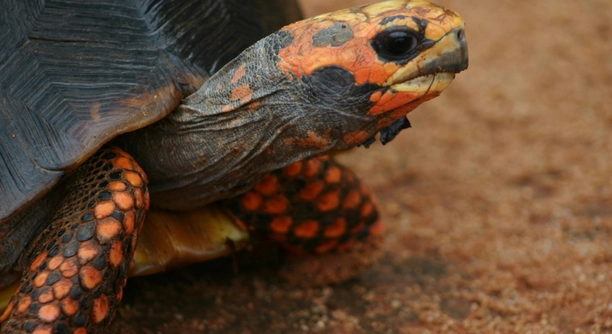
Red-footed tortoises are fascinating creatures with unique behaviors. One such behavior is head bobbing, which can sometimes raise concern for their owners. Understanding the cause of this behavior can help improve the care you provide for your pet.
Head bobbing in red-footed tortoises is typically a sign of communication or territorial behavior. It may also indicate excitement or stress, especially when introduced to new environments. Understanding these factors can help identify the root cause of the behavior.
Addressing the cause of head bobbing will ensure your tortoise remains healthy and happy. Recognizing what’s behind this behavior can lead to better care and a more comfortable environment for your pet.
Possible Causes for Head Bobbing in Red-Footed Tortoises
Head bobbing in red-footed tortoises is a common behavior, often misunderstood by new owners. While it may seem unusual or concerning, this behavior can be linked to a variety of factors. Tortoises may bob their heads to communicate, assert dominance, or even express excitement. It’s important to observe the context in which the head bobbing occurs to understand the specific cause. For instance, if your tortoise is bobbing its head in the presence of another tortoise, it could be signaling territoriality or dominance. This is a natural form of communication that helps them establish boundaries.
Sometimes, head bobbing happens when a tortoise feels stressed or threatened. A new environment or unfamiliar surroundings can trigger this behavior, as the tortoise may be trying to establish its presence. Additionally, young tortoises might head bob as part of their natural development, as they learn to interact with their surroundings and other animals. Understanding the context is key to determining whether this behavior is simply a phase or a sign of stress.
Why Your Tortoise Might Be Stressed
Stress can also lead to head bobbing, particularly in response to environmental changes. A red-footed tortoise may bob its head when it feels overwhelmed, either by new surroundings or the presence of other animals.
Tortoises are creatures of habit, and any sudden changes in their environment may cause them to feel unsettled. Factors like improper habitat conditions, unfamiliar smells, or changes in daily routine can all lead to stress. In some cases, head bobbing is a sign that your tortoise is trying to adjust to these changes, whether it’s the addition of new decor or a shift in its environment. Providing a stable, consistent environment for your tortoise is essential for its well-being.
In addition to environmental stress, a red-footed tortoise may bob its head when it is in discomfort or pain. It’s crucial to keep an eye out for other signs of distress, such as lack of appetite or changes in behavior, to ensure that your tortoise is healthy. Regular check-ups with a veterinarian are recommended to rule out any underlying health issues that could be contributing to the behavior.
How to Address Head Bobbing in Your Tortoise
If head bobbing seems to be linked to stress, creating a calm and familiar environment is key. Make sure your tortoise’s enclosure has consistent lighting, temperature, and humidity. Avoid sudden changes that could unsettle your tortoise. If the head bobbing continues, it may be helpful to assess other factors, such as its diet or social interactions.
Monitor your tortoise closely to ensure that it isn’t showing other signs of stress, such as excessive hiding or reluctance to move. Offering a variety of hiding spots and enriching its habitat can help reduce anxiety. Additionally, consider keeping your tortoise away from other pets that might cause stress or provoke the head bobbing behavior.
Making these adjustments will help your tortoise feel secure in its environment, which should gradually reduce the head bobbing behavior over time. Keep in mind that it may take a little patience for your tortoise to fully adjust.
Understanding Territorial Behavior in Tortoises
Territoriality is a natural instinct in red-footed tortoises, and head bobbing is one way they assert their space. This behavior can occur when another tortoise enters its area, signaling dominance or an attempt to establish boundaries. Tortoises are solitary creatures, and they often feel the need to protect their territory.
When head bobbing is triggered by territorial disputes, it’s important to observe the surrounding conditions. Are there other tortoises nearby? Does your tortoise have enough space to roam freely? If multiple tortoises are housed together, aggression or dominance battles can lead to this behavior. In these cases, it’s best to separate them to reduce stress.
Head bobbing may be accompanied by other signs, such as puffing out their necks or aggressive posturing. These signs indicate that your tortoise is trying to protect its territory. Reducing stress by ensuring plenty of space and separate enclosures for different tortoises can help curb this behavior.
Excitement or Mating Behavior
Red-footed tortoises sometimes head bob when they’re excited, especially when encountering a potential mate. During the mating season, head bobbing is a common display among both males and females. It’s part of their natural courtship behavior. If your tortoise is bobbing its head in the presence of another, it might be showing interest in mating.
Male tortoises often use head bobbing to attract females, and this behavior is accompanied by other mating rituals. For instance, males might also chase or nudge the female. It’s important to consider the timing of this behavior – head bobbing during the breeding season is completely natural. However, it’s also important to monitor their interactions to ensure that neither tortoise becomes too stressed or aggressive. If you don’t plan to breed your tortoises, you can consider separating them to prevent these behaviors from escalating.
Understanding this natural instinct will help you provide the right environment for your tortoise.
Environmental Stress and Head Bobbing
Changes in the environment can lead to head bobbing in tortoises. If the habitat is not stable, your tortoise might feel stressed and express this by bobbing its head. Factors like temperature, humidity, or noise can trigger this behavior.
Providing a stable environment is key to keeping your tortoise calm. If there’s a lot of noise or if the habitat temperature fluctuates too much, your tortoise might respond by bobbing its head. Tortoises feel safest in consistent environments, and any changes can make them uneasy. Ensure your tortoise’s enclosure is secure, quiet, and properly maintained.
Health Issues
Head bobbing can sometimes indicate an underlying health issue, such as respiratory infections or physical discomfort. If the behavior is persistent and doesn’t seem linked to stress or territoriality, it’s essential to observe other signs of illness.
Check for symptoms like discharge from the nose or mouth, changes in eating habits, or lethargy. If any of these occur, it’s important to take your tortoise to a vet. Health issues should be addressed promptly to avoid further complications. A veterinarian can perform a thorough check-up to rule out any medical causes for the head bobbing.
Overstimulation
Tortoises can become overstimulated when exposed to too much interaction or too many environmental changes. Overstimulation may lead to head bobbing as a sign of discomfort. If your tortoise is frequently being handled or placed in new situations, it might react this way.
Limiting the number of interactions and maintaining a calm environment can help reduce overstimulation. This means avoiding excessive handling and creating a more predictable routine. Allowing your tortoise time to rest and adjust to its surroundings will help reduce any anxiety or overstimulation that might cause the behavior.
FAQ
Why does my red-footed tortoise keep bobbing its head?
Head bobbing in red-footed tortoises can be caused by a variety of factors, such as territoriality, excitement, or stress. If your tortoise is interacting with another, it could be asserting its dominance or showing interest in mating. It could also be a sign of discomfort, especially if it’s feeling threatened or overstimulated by its environment. Observing the context of the behavior will help determine the cause.
Can head bobbing be a sign of illness?
Yes, head bobbing can sometimes be linked to health issues. Respiratory infections or other medical conditions could lead to abnormal behavior like this. If the head bobbing is persistent and there are additional symptoms like lethargy, loss of appetite, or nasal discharge, it’s important to consult a vet. Early detection of health issues will ensure your tortoise receives the appropriate care.
Is it normal for my tortoise to head bob when it’s around other animals?
Yes, it’s normal for tortoises to head bob when they encounter other animals, especially other tortoises. This behavior is often a display of dominance or territoriality. Red-footed tortoises are solitary by nature, so they may see other tortoises as a threat to their space. This can result in head bobbing, as they attempt to assert their boundaries.
How do I know if my tortoise is stressed?
If your tortoise is stressed, it may exhibit behaviors such as head bobbing, excessive hiding, lack of appetite, or restlessness. Stress can also manifest in physical signs like abnormal skin shedding or respiratory issues. Monitoring your tortoise’s behavior and environmental conditions is key to identifying stress early. Ensure the enclosure provides consistent temperature, humidity, and a safe space for your tortoise to relax.
What should I do if my tortoise keeps bobbing its head?
If your tortoise is bobbing its head, try to assess the cause. If it’s due to stress, ensure the habitat is stable and quiet, with proper temperature and humidity. If it’s related to territorial behavior, provide enough space or separate tortoises that might be fighting for dominance. If you suspect illness, take your tortoise to a vet for a health check. Addressing the underlying cause will help reduce the behavior over time.
Can head bobbing be related to mating behavior?
Yes, head bobbing is often associated with mating behavior, especially during the breeding season. Male tortoises commonly use head bobbing as a way to attract females. It’s part of their courtship display, signaling interest. If your tortoise is bobbing its head around another tortoise during this time, it’s likely a natural response to mating instincts.
Is there a way to stop my tortoise from head bobbing?
Stopping head bobbing depends on its cause. If it’s due to stress, try to provide a more stable environment by controlling temperature, humidity, and minimizing noise. If the bobbing is related to territoriality or mating, it’s best to provide separate enclosures or remove one of the tortoises. In some cases, head bobbing may simply be a normal behavior that doesn’t require intervention. However, if the behavior seems excessive or linked to health issues, consulting a vet is a good idea.
Could my tortoise be head bobbing because it’s hungry?
Head bobbing is unlikely to be directly caused by hunger, but if your tortoise is bobbing its head while searching for food, it could be a sign of excitement or a behavioral response to the anticipation of a meal. Tortoises can sometimes exhibit behaviors like head bobbing when they are interested in food or when they are engaging with their environment in search of something. Ensure your tortoise is fed a balanced diet and has access to fresh food regularly.
How can I tell if my tortoise is head bobbing because of illness or stress?
If your tortoise is head bobbing and showing signs like lethargy, lack of appetite, or nasal discharge, it could be a sign of illness, such as a respiratory infection. Stress-related head bobbing is usually linked to changes in the environment or the presence of other animals. To determine the cause, monitor the situation closely—look for any other signs of distress and ensure the habitat is stress-free. If the behavior continues or worsens, a vet visit is recommended.
What type of environment is best to prevent head bobbing in my tortoise?
To reduce stress-related head bobbing, ensure your tortoise’s habitat is quiet, clean, and stable. Provide proper temperature gradients, humidity levels, and a secure space for your tortoise to retreat. Avoid sudden changes, such as relocating the enclosure or introducing new pets. Providing hiding spots and naturalistic surroundings can also help make your tortoise feel safe and secure.
Can head bobbing be a sign of aggression in tortoises?
Yes, head bobbing can be a sign of aggression, particularly when one tortoise is trying to assert dominance over another. This is common in encounters between two tortoises. If your tortoises are housed together and one frequently bobs its head, it could be a display of territoriality or dominance. If this behavior leads to fighting, it’s best to separate the tortoises to prevent injury or prolonged stress.
Is head bobbing in tortoises a learned behavior?
Head bobbing is a natural instinct for tortoises, especially in interactions with others. While some tortoises may be more prone to it due to their temperament, it is not typically a learned behavior. Instead, it’s part of their natural repertoire for communication, mating, or expressing stress. However, environmental factors, such as the presence of other tortoises, can influence how frequently this behavior is exhibited.
How long does head bobbing last in tortoises?
The duration of head bobbing in tortoises varies depending on the cause. If the bobbing is linked to stress or a new environment, it may subside once the tortoise adjusts to its surroundings. If it’s linked to mating behavior, it may last throughout the breeding season. In cases of illness or aggression, the behavior might persist until the underlying issue is addressed. The best way to determine how long head bobbing will last is to assess its cause and make any necessary changes.
Should I be concerned if my tortoise is bobbing its head frequently?
Frequent head bobbing can be a cause for concern if it’s excessive or linked to signs of distress, illness, or aggression. In such cases, closely monitor your tortoise for other symptoms and consider making adjustments to its environment. If the behavior doesn’t improve or worsens, consulting a vet is recommended to rule out any underlying health issues.
Final Thoughts
Head bobbing in red-footed tortoises is a common behavior that can be attributed to various factors. It’s important to observe the context in which the behavior occurs to determine whether it’s natural or a sign of an issue. For instance, head bobbing can be linked to mating displays, territorial behavior, or even stress. If you notice that your tortoise is head bobbing around another tortoise, it could simply be a way of asserting dominance. Similarly, if your tortoise is bobbing its head in a more repetitive manner, it may be responding to its environment or experiencing some level of discomfort.
If head bobbing seems excessive or is accompanied by other signs of illness, such as lethargy, lack of appetite, or nasal discharge, it’s crucial to consider the possibility of an underlying health issue. Respiratory infections and other conditions can lead to abnormal behaviors in tortoises. In such cases, it’s recommended to seek veterinary care to ensure your tortoise receives the appropriate treatment. Additionally, if stress appears to be the cause, addressing environmental factors like temperature, humidity, and the presence of other animals can help reduce the behavior.
While head bobbing is often a natural part of a tortoise’s behavior, it’s essential to monitor your pet closely and take action if needed. Adjusting your tortoise’s living conditions to ensure a stable and stress-free environment can be a helpful step in managing head bobbing. On the other hand, if the behavior is part of a mating ritual or dominance display, it’s generally harmless. By understanding the different reasons behind head bobbing, you can better care for your red-footed tortoise and ensure its well-being.

Hello,
If you enjoy the content that we create, please consider saying a "Thank You!" by leaving a tip.
Every little bit helps us continue crafting quality advice that supports the health, happiness, and well-being of pets around the world, for pets of all shapes, sizes, and species.
We really appreciate the kindness and support that you show us!