
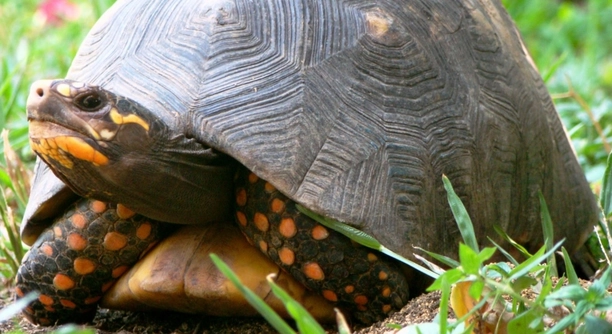
If you have a red-footed tortoise, you may already know how important sunlight is for their health. However, just like with humans, too much sunlight can be harmful. It’s essential to monitor their exposure.
Excessive sunlight can lead to overheating and dehydration in red-footed tortoises, causing stress and health issues. Signs of too much sun include lethargy, dryness, and difficulty maintaining a normal body temperature. These symptoms require immediate attention.
Recognizing the signs early will help protect your tortoise from unnecessary stress. By understanding these signs, you can adjust their environment and ensure they stay healthy and comfortable.
Recognizing Dehydration in Red-Footed Tortoises
One of the first signs that your red-footed tortoise has had too much sunlight is dehydration. When a tortoise is overexposed to the sun, it can lose moisture quickly, causing its skin to become dry and flaky. Dehydration can also lead to a lack of energy and a decrease in movement. The tortoise may appear sluggish or even fail to eat as usual. It’s important to provide plenty of fresh water in a shaded, cool area so the tortoise can rehydrate. Always ensure that your pet has access to water, especially after sun exposure.
If your tortoise is showing signs of dehydration, it’s crucial to adjust their sun exposure. Place them in a shaded spot to allow them time to recover. Offer water regularly and ensure they have access to a cool, calm area. Keeping them hydrated will prevent further complications.
Overexposure to sunlight can lead to health problems beyond dehydration. In addition to causing the tortoise to become dehydrated, excess sunlight can raise the body temperature to unsafe levels. The heat stress caused by prolonged sun exposure is dangerous and can lead to serious health issues like organ failure. Keeping your tortoise in a balanced environment, where they can choose between sun and shade, is essential for their well-being. Regularly monitoring their behavior after sun exposure is vital to ensure their safety.
Watching for Lethargy
Another clear sign that your red-footed tortoise may have had too much sun is lethargy. If your tortoise seems overly tired or uninterested in moving, it’s a warning. Overexposure to sunlight can cause them to feel drained.
Lethargy occurs when the tortoise’s body is overheated, and it has used up much of its energy trying to stay cool. It’s common for tortoises to slow down as they struggle to cope with too much sun. Reducing their exposure to sunlight and offering a cooler resting place can help them recover.
Changes in Behavior and Eating Habits
If your tortoise is getting too much sunlight, it may show a decrease in appetite or unusual behavior. They may become less interested in eating or interacting with their surroundings. Excessive heat makes it harder for them to digest food properly.
This change in behavior is often linked to stress caused by the uncomfortable heat. When a tortoise’s body temperature rises too much, it slows down its metabolism, which can result in a loss of appetite. Keeping your tortoise in a shaded, cooler area will allow them to regain their normal routine.
Pay attention to their eating habits after exposure to sunlight. If your tortoise continues to avoid food, it’s best to monitor their environment and limit their sun exposure. Offer food in a cooler area and ensure hydration. Continued inattention to their needs may lead to more severe health concerns.
Skin Dryness and Cracking
Dry skin and cracking are also common signs of too much sunlight. Your tortoise may experience skin issues such as shedding or cracking if left in direct sunlight for too long. Dehydration is often the cause of these symptoms.
To prevent skin damage, provide adequate shade and moisture. Consider using a humidifier or misting the tortoise’s enclosure to maintain proper hydration levels. Keeping your tortoise’s habitat balanced with moisture can help avoid skin problems. Excessive heat and lack of moisture can quickly lead to uncomfortable, unhealthy conditions.
While some shedding is natural, an increase in skin dryness and cracks could signal an issue. These signs may indicate that your tortoise is suffering from more than just mild dehydration. Take immediate action to cool down the environment and provide better hydration to support skin recovery.
Overheating and Loss of Appetite
When your red-footed tortoise gets too much sunlight, it can overheat. This leads to a loss of appetite, as the body struggles to regulate itself. They may refuse food because their system is focused on cooling down instead of digesting.
This lack of interest in food is a direct result of stress from the heat. Your tortoise’s body temperature needs to be maintained within a safe range for them to function properly. If this issue persists, it can lead to dehydration and other health complications. Move your tortoise to a cooler environment immediately and offer food once they are comfortable.
Unusual Sleeping Patterns
Excessive sun exposure can cause red-footed tortoises to sleep more than usual. When they are overheated, they may seek shelter and spend extended periods in a resting state. A change in sleeping patterns may be a sign of too much sunlight.
This behavior is a way for your tortoise to avoid further stress from the sun. If your tortoise seems to be sleeping excessively, it’s important to monitor their temperature and adjust their environment. Ensure they have access to both sun and shade, giving them the opportunity to choose where they feel most comfortable.
FAQ
What is the ideal amount of sunlight for a red-footed tortoise?
Red-footed tortoises require moderate sunlight to stay healthy. About 2-4 hours of indirect sunlight daily is enough to support their vitamin D production and overall well-being. Direct exposure for longer than this can lead to overheating and dehydration. Ensure they also have access to shaded areas where they can retreat if the sun becomes too intense. Overexposure can cause stress, so maintaining a balanced environment is crucial.
How can I tell if my red-footed tortoise is getting too much sun?
Signs of excessive sun exposure include lethargy, dehydration, loss of appetite, and skin dryness. If your tortoise becomes sluggish or refuses to eat, it could be a sign of overheating. You may also notice dry, cracked skin, especially on the shell or legs. These are all indicators that the sun exposure is beyond their tolerance. Reducing their time in direct sunlight and providing a shaded area will help manage these symptoms.
Can a red-footed tortoise get sunburned?
Yes, red-footed tortoises can get sunburned, particularly if they are exposed to direct sunlight for extended periods. Their skin can burn, causing redness and blistering. To avoid sunburn, always offer a shaded area and never leave your tortoise in direct sunlight for too long. You can also use a UVB light in their enclosure to simulate natural sunlight without the harmful effects of overexposure.
How do I prevent my red-footed tortoise from overheating?
To prevent overheating, always provide your tortoise with access to both sunlight and shade. Make sure they have a cool place to retreat to if they feel too hot. If they are kept in an enclosure, it should have areas of shade, as well as a water dish to help them cool down. Ensure they have a comfortable place to rest where they won’t be exposed to constant heat.
What should I do if my red-footed tortoise is dehydrated?
If you suspect your tortoise is dehydrated, offer water immediately. Make sure the water is clean and at room temperature. You can also soak your tortoise in shallow, lukewarm water for 10-15 minutes to help them absorb moisture through their skin. Dehydration can lead to more serious health issues, so it’s important to provide water regularly and keep an eye on their behavior and hydration levels.
How can I tell if my red-footed tortoise is suffering from heat stress?
Heat stress can cause your tortoise to exhibit signs such as excessive lethargy, heavy breathing, and a lack of appetite. Their skin may become dry and flaky, and they may show little interest in their surroundings. In severe cases, heat stress can lead to organ failure. If you notice these symptoms, it’s important to remove your tortoise from the heat source immediately and place them in a cooler, shaded area.
How long can a red-footed tortoise stay in the sun?
A red-footed tortoise should not be in the sun for more than 2-4 hours at a time. Prolonged exposure can lead to dehydration, overheating, and other health issues. Make sure they have access to shade so they can escape the sun when necessary. The best way to monitor sun exposure is by checking on them regularly, ensuring they don’t appear too hot or stressed.
Can I use a UVB light for my red-footed tortoise instead of natural sunlight?
Yes, a UVB light can be used to provide your tortoise with the necessary sunlight exposure, especially if natural sunlight is not available. UVB light helps tortoises produce vitamin D3, which is important for calcium absorption. However, it’s still important to allow your tortoise access to natural light whenever possible for optimal health. A combination of both natural and artificial lighting is ideal.
What temperature is best for a red-footed tortoise’s environment?
The ideal temperature for a red-footed tortoise is between 75°F and 85°F (24°C to 29°C). The basking spot should be slightly warmer, around 90°F (32°C), while the cooler areas of the enclosure should provide a refuge around 75°F. Temperature control is vital for their digestion, activity levels, and overall health. A thermostat or temperature gun can help ensure the environment stays within the ideal range.
Should I change my red-footed tortoise’s diet in response to sun exposure?
While it’s not necessary to change their diet based solely on sun exposure, it’s important to ensure they are getting enough hydration, especially if they’ve been in the sun for a while. Offer water-rich foods like cucumber and watermelon to help them stay hydrated. Make sure their diet remains balanced, with leafy greens, fruits, and high-quality tortoise pellets. If they seem to lose their appetite after sun exposure, try offering food in a shaded area to see if they regain interest.
Final Thoughts
Red-footed tortoises are sensitive to sunlight, and it’s important to find the right balance. While they need sunlight to stay healthy, too much exposure can lead to overheating and dehydration. The signs of excessive sun exposure can be subtle at first, but they are worth watching for. If your tortoise shows signs of stress, such as loss of appetite, lethargy, or dry skin, it may be time to reduce the amount of direct sunlight they get. Providing a shaded area and giving them access to cooler spaces can help regulate their temperature and prevent these issues.
Monitoring their behavior is a key part of ensuring their well-being. A healthy tortoise will enjoy basking in the sun but will also know when to seek shelter. As a pet owner, you can support this natural behavior by providing both sunny and shady areas for your tortoise. If you have an outdoor enclosure, make sure it’s equipped with plenty of places for them to retreat from the sun, such as rocks or plants that offer shade. You can also use a UVB light in their indoor habitat to simulate the effects of natural sunlight without the risks of overheating.
Ultimately, caring for a red-footed tortoise requires paying attention to the small details of their environment. This includes not only managing sunlight exposure but also making sure they have access to fresh water and a proper diet. With the right care, these tortoises can live long, healthy lives. It’s all about creating a balanced environment where they feel safe and comfortable. Regularly check their health and adjust their habitat as needed. A little effort goes a long way in ensuring they thrive.

Hello,
If you enjoy the content that we create, please consider saying a "Thank You!" by leaving a tip.
Every little bit helps us continue crafting quality advice that supports the health, happiness, and well-being of pets around the world, for pets of all shapes, sizes, and species.
We really appreciate the kindness and support that you show us!