
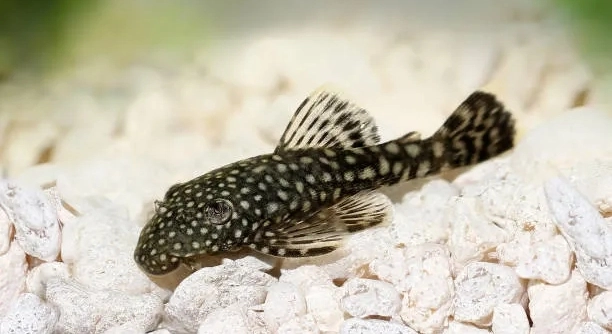
Plecos are fascinating fish that many aquarium owners enjoy keeping. They are peaceful, hardy, and can live for many years when provided with the right care and environment for their needs.
Maintaining thriving plecos requires stable water conditions, proper tank size, a balanced diet, adequate hiding spots, regular cleaning, appropriate lighting, and monitoring for stress or disease. These factors collectively ensure the health and longevity of the species in captivity.
Learning how each of these conditions affects your pleco can help you provide a healthier, more comfortable home for them. Proper care ensures your fish remain active and vibrant in their environment.
Water Quality
Plecos are sensitive to changes in water quality, so it’s important to keep their tank clean and stable. Regular water tests for ammonia, nitrites, nitrates, and pH help maintain a healthy environment. Changing 20–30% of the water weekly prevents toxins from building up. Temperature should be consistent, ideally between 72–78°F, depending on the species. Using a filter suitable for the tank size ensures proper circulation and oxygenation. Avoid overfeeding, as leftover food can pollute the water. Driftwood and live plants also help maintain water balance while providing natural hiding spots. Monitoring water hardness and pH helps prevent stress that can lead to disease. Plecos often grow large, so a spacious tank with proper filtration is essential. Gentle water flow mimics natural habitats and reduces stress. Observing your fish daily for unusual behavior is another key part of maintaining optimal water quality. A clean tank keeps plecos active and healthy over the long term.
Stable water conditions reduce stress and prevent illness, allowing plecos to maintain strong immune systems and thrive in captivity.
Water quality affects every aspect of pleco health. Poor water can lead to lethargy, stunted growth, and infections. Even minor fluctuations in pH or ammonia levels can cause long-term damage. Regular testing and partial water changes are essential. Avoid adding chemicals unnecessarily, as plecos are sensitive to many treatments. Observing behavior and physical appearance daily can alert you to subtle issues. Providing proper filtration, temperature, and water movement ensures your pleco’s environment closely mimics its natural habitat. Adding natural elements like driftwood also helps regulate pH and offers surfaces for grazing. Over time, maintaining clean water not only reduces stress but also encourages natural behaviors like feeding and hiding. Paying attention to these details creates a tank where plecos can grow, reproduce, and display vibrant colors, making them a rewarding species to keep.
Tank Size and Layout
Plecos need space to move and explore. A cramped tank can stress them and slow growth.
A tank large enough to accommodate adult size is essential, with at least 30–50 gallons for smaller species and much more for larger ones. Providing hiding places like caves, driftwood, and plants reduces stress and gives plecos security. Open swimming areas should be balanced with shaded or sheltered zones to mimic natural habitats. Decorations should not have sharp edges that could harm them. Substrate choice matters; sand or smooth gravel prevents injury while allowing natural foraging. Plecos also enjoy vertical surfaces for grazing, such as driftwood or rocks. Arranging the tank to allow both open areas and hiding spots encourages natural behaviors, including grazing, resting, and exploring. Placement of filters and heaters should not create overly strong currents, as plecos prefer gentle water flow. A well-laid-out tank supports their physical and mental well-being. Regular observation helps determine if they are comfortable and active.
Diet and Nutrition
Plecos need a balanced diet to stay healthy. A mix of vegetables, algae wafers, and occasional protein helps maintain growth and coloration. Overfeeding can harm water quality.
A consistent feeding schedule supports digestive health. Vegetables like zucchini, cucumber, and spinach are excellent staples. Algae wafers provide essential nutrients, while occasional protein, such as bloodworms or shrimp, adds variety. Avoid processed human foods, as they can cause digestive issues. Monitoring leftovers is important to prevent water contamination. Observing your pleco during feeding helps ensure it is eating properly and not stressed by competition from other fish. Proper nutrition promotes longevity and vitality.
Variety in the diet prevents deficiencies and keeps plecos engaged. Different textures and nutrients encourage natural foraging behaviors. Including driftwood in the tank allows some species to scrape wood, aiding digestion. Fresh vegetables should be blanched or softened to make them easy to eat. Feeding at the same time daily helps plecos develop a routine. Over time, a balanced diet supports immune health, bright coloration, and active behavior. Proper nutrition is a key factor in a thriving pleco.
Hiding Spots and Environmental Enrichment
Plecos need places to hide and explore. Caves, driftwood, and plants give security and reduce stress.
Providing multiple hiding spots allows plecos to feel safe and exhibit natural behavior. Driftwood serves both as shelter and a surface for grazing. Plants offer cover and help improve water quality. Open swimming areas balanced with shaded spots encourage exploration. Changing decorations occasionally can add mental stimulation without disturbing the fish. Observation helps ensure the setup meets your pleco’s needs. A comfortable environment enhances activity and reduces aggression.
Environmental enrichment impacts both physical and mental health. Plecos enjoy exploring crevices, resting under driftwood, and grazing on surfaces. Smooth rocks and caves prevent injuries while offering variety. Live plants provide natural textures, promote oxygenation, and contribute to water quality. Rearranging elements carefully can stimulate curiosity without causing stress. Different textures and hiding options help reduce boredom, promote exercise, and prevent dominance issues in community tanks. Attention to environmental complexity supports healthy growth, natural behaviors, and overall well-being in plecos.
Lighting and Day-Night Cycle
Plecos are mostly nocturnal and prefer dim lighting. Bright lights can stress them, so providing shaded areas or floating plants helps create a comfortable environment.
Maintaining a consistent day-night cycle supports natural behavior. Using a timer for lights ensures regular periods of darkness, allowing plecos to rest.
Tank Cleanliness
Regular cleaning prevents disease and maintains water quality. Removing uneaten food, vacuuming substrate, and wiping decorations keeps the tank healthy.
Monitoring Health
Observe plecos daily for signs of illness. Look for changes in behavior, appetite, or physical appearance. Prompt action helps prevent serious problems.
Temperature Control
Stable temperature is essential. Sudden fluctuations can stress plecos and weaken their immune system. Use a reliable heater and thermometer to maintain consistent warmth.
FAQ
How often should I feed my pleco?
Plecos should be fed once daily, ideally in the evening when they are more active. Offer vegetables like zucchini, cucumber, or spinach, and supplement with algae wafers. Protein treats such as bloodworms or shrimp can be given occasionally. Remove leftover food promptly to prevent water quality issues. Feeding a consistent amount ensures your pleco does not overeat or pollute the tank. Observing your fish while it eats helps you notice if it is healthy and active.
Can plecos live with other fish?
Yes, plecos are generally peaceful and can share a tank with other species. However, large or aggressive fish may stress plecos. Provide enough hiding spots and space to minimize conflict. Avoid overcrowding, as plecos need room to graze and swim freely. Keeping compatible tank mates ensures a calm environment and reduces stress-related health issues. Observing interactions during feeding and resting times can help prevent territorial disputes.
What type of water filter is best for plecos?
A strong, reliable filter is essential for plecos because they produce a lot of waste. Canister filters or hang-on-back filters with mechanical and biological filtration are ideal. Ensure the filter creates gentle water flow to mimic natural habitats without stressing the fish. Regular maintenance of the filter prevents buildup and maintains water clarity. Proper filtration also keeps ammonia, nitrite, and nitrate levels in check, promoting overall health.
Do plecos need driftwood?
Yes, many pleco species benefit from driftwood. They scrape it to help digestion and foraging behavior. Driftwood also provides hiding spots and enriches the tank environment. Make sure to use aquarium-safe wood and clean it before adding it to the tank. Over time, driftwood can soften and release tannins, slightly lowering pH, which is generally safe and often preferred by plecos. Observing your fish using the wood indicates its comfort and engagement.
How big should a pleco tank be?
Tank size depends on the species. Small plecos need at least 30–50 gallons, while larger species may require 75 gallons or more. Providing ample space prevents stress, supports healthy growth, and allows for natural movement. Include open swimming areas, hiding spots, and grazing surfaces. Larger tanks make water maintenance easier and improve overall health. Proper tank size ensures your pleco thrives and reduces the risk of aggression or stunted growth.
How can I tell if my pleco is stressed?
Signs of stress include hiding excessively, refusing to eat, rapid gill movement, or unusual swimming patterns. Stress can result from poor water quality, overcrowding, or improper lighting. Addressing these issues promptly helps prevent illness. Monitoring daily behavior and water conditions allows early intervention and keeps plecos healthy. Providing enrichment and stable conditions reduces stress naturally.
Is it necessary to test water regularly?
Yes, regular testing is crucial. Monitor ammonia, nitrite, nitrate, pH, and water hardness. Sudden changes can harm plecos. Frequent testing helps catch problems early and maintain a stable environment. Using test kits ensures accuracy and helps you adjust water changes, filtration, and additives effectively. Consistent monitoring supports long-term health and activity levels in plecos.
How do I prevent common diseases in plecos?
Prevent disease by maintaining clean water, proper diet, and hiding spots. Quarantine new fish before adding them to the tank. Watch for symptoms like white spots, torn fins, or lethargy. Prompt treatment of illnesses combined with good husbandry reduces mortality. Maintaining stable conditions and minimizing stress are the best preventive measures.
Can plecos survive in cold water?
Most plecos prefer warmer water, typically 72–78°F. Cold water can slow metabolism and make them vulnerable to illness. Use a heater to maintain consistent warmth, especially during colder months. Avoid sudden temperature changes, as they stress the fish. Observing their behavior in relation to temperature helps you ensure they remain active and healthy.
How long do plecos live?
Plecos can live 10–15 years or longer with proper care. Longevity depends on diet, tank size, water quality, and stress levels. Providing a balanced environment with stable conditions, enrichment, and regular monitoring helps maximize their lifespan. Attention to these factors allows plecos to grow, remain active, and thrive for many years.
Plecos are fascinating fish that can bring life and activity to a home aquarium. Keeping them healthy requires attention to their environment, diet, and overall well-being. Water quality is one of the most important aspects of care. Regular testing and partial water changes prevent toxins from building up and help maintain stable conditions. A proper filter and gentle water flow ensure that the tank stays clean and oxygenated. Driftwood, plants, and hiding spots not only improve the tank’s appearance but also support natural behaviors, such as grazing and resting. Temperature control is equally important, as sudden changes can stress plecos and affect their immune system. Monitoring these factors consistently helps the fish stay active and healthy.
Diet and nutrition play a key role in pleco health. They need a balanced mix of vegetables, algae wafers, and occasional protein treats. Overfeeding can lead to water contamination and digestive problems, so it’s important to observe how much your pleco is eating and remove leftover food promptly. Driftwood can also aid digestion for certain species, while live plants can contribute nutrients and offer grazing surfaces. Providing variety in their diet encourages natural behaviors and keeps them engaged. Feeding at regular times helps establish a routine, which can reduce stress and make the fish more predictable in their activity. Overall, consistent nutrition and observation go hand in hand to maintain their physical health and vibrant appearance.
Tank layout and enrichment are just as important as water quality and diet. Plecos need enough space to swim, explore, and find hiding spots. Open areas balanced with shaded or sheltered zones mimic natural habitats and reduce stress. Smooth rocks, caves, and driftwood provide both safety and mental stimulation. Plants can help with oxygenation and water balance while adding texture to the environment. Rearranging decorations carefully over time can create new experiences for your pleco without causing stress. Observing how your fish interacts with its surroundings gives insight into its comfort and health. By combining proper water care, nutrition, and environmental enrichment, plecos can thrive, grow to their full size, and display natural, healthy behaviors. Taking these steps ensures that your pleco remains a long-lasting and active part of your aquarium.

Hello,
If you enjoy the content that we create, please consider saying a "Thank You!" by leaving a tip.
Every little bit helps us continue crafting quality advice that supports the health, happiness, and well-being of pets around the world, for pets of all shapes, sizes, and species.
We really appreciate the kindness and support that you show us!