
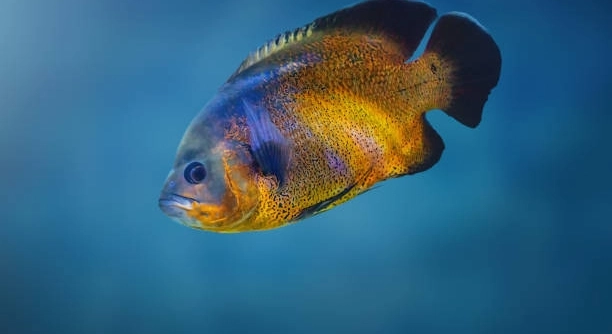
Is your Oscar fish swimming in a jerky, unpredictable way, making you feel like something just isn’t quite right in the tank?
Jerky movements in Oscar fish are often caused by stress, poor water quality, or underlying health issues such as parasites or swim bladder disorders. Identifying the root cause is essential to ensure proper care and improve their behavior.
Learning what contributes to this behavior can help you create a healthier and more stable environment for your Oscar fish to thrive.
Common Reasons Behind Jerky Movements
Oscar fish often move in a jerky or erratic way when they are stressed. Stress can come from sudden changes in water temperature, pH levels, or ammonia spikes. Poor water quality is one of the most common causes and should always be checked first. Use a reliable water test kit and make sure ammonia, nitrite, and nitrate levels are within safe ranges. Tank mates can also cause issues—aggressive or overly active fish may provoke sudden movements. Illnesses like parasites or swim bladder disorders can also affect movement. Look for signs like clamped fins, unusual breathing, or loss of appetite. Environmental noise or bright lighting may also trigger sharp reactions. Keeping the tank in a quiet, stable location with consistent lighting can help your fish stay calm.
Always observe behavior closely before making any changes. A jerky Oscar is trying to tell you something through its movements.
If you notice twitching or darting paired with rubbing on surfaces, parasites may be present. These can irritate the skin and gills, making the fish uncomfortable. Infections from flukes or ich can be treated with over-the-counter medications, but be sure to follow dosing instructions carefully. Clean the tank and complete partial water changes during treatment to prevent reinfection.
How to Respond and Prevent It
Make small, steady changes rather than big ones when adjusting tank conditions. That alone can reduce stress.
If parasites or illness are not present, focus on the tank environment. A 55-gallon tank is ideal for a single Oscar, providing enough room to swim freely. Make sure the filter is strong enough to handle the bioload, as Oscars are messy eaters. Clean filters regularly, and remove leftover food daily. Check water parameters every week and keep a log. Stable water conditions help prevent erratic behavior. Use a heater to maintain a consistent temperature around 77–80°F. Add decor with smooth edges so your fish can feel secure without the risk of injury. Avoid overcrowding the tank and only add compatible tank mates. Reducing external noise can also help your Oscar feel more relaxed. Keep lighting low and cover the tank if needed during high-stress periods. When feeding, use high-quality pellets and avoid overfeeding, which can lead to digestive issues. Keeping a close eye on your Oscar’s behavior will help you catch problems early.
Other Behavior to Watch For
Oscar fish sometimes display odd behaviors that go beyond jerky swimming. These can include glass surfing, hiding constantly, or suddenly refusing food. While not always serious, they can point to stress or changes in tank conditions.
Glass surfing is when an Oscar repeatedly swims against the glass. This usually means the fish is uncomfortable or bored. It can happen in tanks that are too small, under-decorated, or lack stimulation. Adding caves, driftwood, or rearranging decor may help reduce this behavior. Hiding more than usual might signal fear, poor lighting, or a health issue. Check tank mates to make sure no one is bullying the Oscar. If your fish suddenly stops eating, observe other symptoms like white spots or clamped fins. Appetite loss can be tied to poor water quality, illness, or even overfeeding. Addressing environmental and health factors usually helps restore normal behavior.
Flashing is another behavior worth noting. This is when the fish rubs or flicks itself against tank surfaces. It often suggests skin irritation or parasite trouble. Pair this with close observation of breathing patterns, skin condition, and energy levels. Aggression spikes can happen if the Oscar feels overcrowded or territorial. A single Oscar generally does better alone or with carefully selected tank mates. Tail chasing, another less common habit, might happen due to boredom or stress. These behaviors give insight into your fish’s overall comfort and health. Track changes over time, and take early action when something feels off.
When to Seek Help
If jerky movements continue after checking the tank and health, it might be time to talk to an aquatic vet.
Long-term symptoms like loss of balance, constant flashing, labored breathing, or visible wounds should not be ignored. A fish vet can run tests to check for internal infections or parasites that may not respond to standard treatments. Sometimes, jerky motion can come from neurological or swim bladder problems that need more advanced care. A professional can guide you through exact treatment steps, including medications or special feeding techniques. Don’t attempt aggressive treatments without advice, as some can worsen the issue.
An aquatic vet may ask for a video of the behavior and recent water test results. Keep a log of what your Oscar eats, how often you clean the tank, and any changes you’ve made recently. These details help narrow down the possible causes. Be honest about tank size, feeding habits, and past illnesses. If your area doesn’t have a fish vet, you can reach out to aquarium specialists online. Some offer consultations and can still help diagnose the issue remotely. Trust your instincts—if your Oscar still seems off even after trying everything, expert help can make a real difference.
The Role of Diet and Feeding Habits
Feeding poor-quality food or giving too much can affect your Oscar’s digestion and movement. Uneaten food breaks down quickly, harming water quality and stressing the fish. Stick to a balanced diet with pellets, occasional live food, and vegetables.
Feeding once or twice a day in small amounts works best. Watch how quickly your Oscar eats and remove leftovers after a few minutes. Avoid feeding treats too often, as this can upset digestion or cause constipation, which may lead to jerky swimming patterns.
Importance of a Consistent Environment
Oscars thrive in stable tank conditions. Sudden shifts in temperature, lighting, or water chemistry can cause erratic movements. Use a heater to maintain a steady temperature between 77–80°F. Monitor pH and ammonia levels weekly. Keep lighting consistent and avoid sudden changes in the room, like loud noises or strong vibrations. These small factors can stress the fish over time. A predictable routine helps your Oscar feel secure. Consistency in tank maintenance, feeding times, and interactions will reduce anxiety and help support smooth, normal behavior.
Final Tip on Observation
Watch your Oscar closely each day. Noticing changes early is the best way to keep small problems from turning into serious issues.
FAQ
Why is my Oscar fish suddenly swimming sideways?
Sideways swimming is often linked to swim bladder issues. The swim bladder helps the fish stay balanced in the water. When it’s inflamed or damaged, swimming can become awkward or uneven. This can happen from constipation, infection, or even stress. Feeding peas (without skin) can help if constipation is the cause. If the problem continues after adjusting the diet, water quality should be checked. Sometimes poor water conditions affect the fish’s ability to maintain buoyancy. Always test ammonia, nitrite, nitrate, and pH levels regularly to rule out environmental stress as a cause.
Can stress make my Oscar fish move oddly?
Yes, stress can lead to jerky or abnormal movements. Oscar fish are sensitive to noise, light changes, tank rearrangements, and aggressive tank mates. If they don’t feel safe, they may dart, twitch, or hide often. Loud sounds, tapping on the glass, or even changes in their routine can trigger this behavior. A stressed Oscar might also lose color or refuse food. Reduce stress by keeping a calm environment, maintaining clean water, and limiting changes. Make sure there’s enough space and cover in the tank so the fish feels secure.
Is jerky swimming always a sign of illness?
Not always. Jerky swimming can sometimes happen briefly after a sudden scare or fast movements. If the behavior stops quickly and the fish resumes normal activity, it’s likely just a response to something in the environment. However, if the jerky motion continues or comes with signs like clamped fins, flashing, or appetite loss, illness may be involved. Monitor your fish closely over a few days. If the problem doesn’t improve, it’s time to check tank parameters and possibly isolate the fish for closer observation or treatment.
What diseases could cause jerky swimming in Oscars?
Parasites, bacterial infections, and swim bladder disease are the most common. Internal parasites like hexamita may cause darting and unusual behavior. Bacterial infections may show up as red streaks on fins, ulcers, or ragged scales. Swim bladder issues usually lead to poor balance or floating problems. Treating diseases without knowing the exact cause can be risky, so look at all symptoms before acting. Quarantine the fish if needed, and make sure the water quality is optimal to support recovery. Sometimes, improving the environment alone helps symptoms clear up.
How can I tell if my Oscar fish is just playing or acting abnormally?
Oscars do display quirky behaviors when they’re feeling playful or curious. They might push gravel, move decorations, or swim rapidly for short bursts. These actions are usually balanced with calm periods and healthy feeding. However, abnormal behavior tends to look frantic or repetitive—like twitching nonstop or crashing into tank walls. If the fish seems overly restless or avoids food, it’s likely a sign of discomfort rather than play. Knowing your Oscar’s typical behavior is important. Sudden changes, especially when paired with other signs, usually need attention.
Can water temperature cause jerky movements?
Yes, water that is too cold or too hot can affect muscle control. Oscars need a stable temperature between 77°F and 80°F. If the water drops too low, the fish can become sluggish, and in some cases, spasms may occur. High temperatures, on the other hand, can increase stress and lead to erratic swimming. Sudden changes are especially harmful. Always use a reliable heater and thermometer to keep the temperature steady. If jerky movements started after a heater malfunction, it’s important to fix that right away and observe the fish for recovery.
What should I avoid doing when my Oscar starts moving strangely?
Avoid making too many changes at once. Adding chemicals, switching food, or moving the fish into a new tank suddenly can cause more stress. It’s best to first test the water and observe for a day or two unless the issue seems urgent. Don’t overfeed the fish or add medicine without knowing the root cause. Random treatments can sometimes worsen the condition. Stick to small, steady steps and remove any potential stressors one at a time. Simple corrections like water changes and lowering noise can sometimes help more than medicine.
Is it okay to treat the whole tank if one Oscar seems sick?
It depends. If other fish show similar symptoms, treating the whole tank might be necessary. However, if only one fish is affected, a separate hospital tank is often better. This way, you can avoid medicating healthy fish and can monitor the sick one more closely. Always follow instructions on any treatment carefully. Too much or the wrong kind of medicine can harm the fish or disrupt your tank’s balance. Whenever possible, consult with a professional before starting medication, especially if the symptoms are vague or the fish has a history of health issues.
Final Thoughts
Oscar fish are unique and expressive, which makes their behavior easy to notice when something feels off. If your Oscar starts to move in a jerky or unusual way, it usually means something in the tank isn’t right. These movements may be triggered by poor water quality, sudden temperature shifts, parasites, or even stress caused by loud noise or tank mates. Because Oscars are strong and intelligent, they often respond quickly when their environment is corrected. Paying close attention to how your fish behaves can help you spot problems early and prevent more serious issues from happening.
Keeping a healthy tank takes regular effort. Clean water, balanced temperatures, and a calm space make a big difference in your Oscar’s behavior. Small things like skipping water changes, feeding too much, or using faulty equipment can lead to discomfort and unusual swimming patterns. By staying on top of tank care and checking your Oscar daily, you build a routine that supports long-term health. Also, try not to react too quickly. Sometimes a fish may move oddly for a short time and then return to normal. Watch closely and act if symptoms continue or get worse.
While jerky movement may seem alarming at first, most causes are manageable with time and care. Whether it’s swim bladder issues, stress, or something more serious like a parasite, the key is to observe, test, and treat only as needed. Avoid overcorrecting or panicking, and make changes one step at a time. A steady approach helps your Oscar feel more secure, and it also gives you clearer answers about what might be wrong. With attention and patience, you can often help your Oscar return to its usual active and healthy behavior. Keeping things simple and steady will always benefit both you and your fish.

Hello,
If you enjoy the content that we create, please consider saying a "Thank You!" by leaving a tip.
Every little bit helps us continue crafting quality advice that supports the health, happiness, and well-being of pets around the world, for pets of all shapes, sizes, and species.
We really appreciate the kindness and support that you show us!