
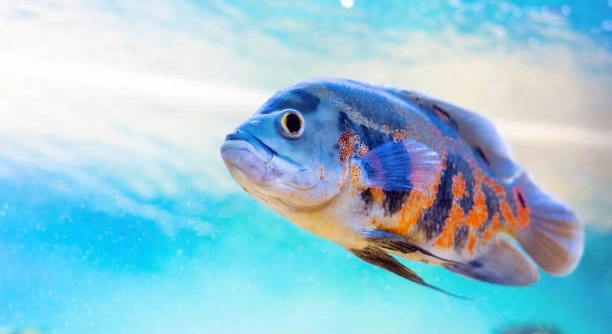
Oscar fish are popular aquarium pets, but they can face health challenges. One such issue is fin rot, a condition that can cause distress and affect their overall well-being. This article explores the causes and treatment options for fin rot.
Fin rot in Oscar fish is primarily caused by poor water quality, bacterial infections, stress, injuries, and overcrowding. These factors can weaken the fish’s immune system, making them more susceptible to infection and worsening the condition.
By understanding the causes of fin rot and how it affects your Oscar fish, you can prevent further damage and improve their health.
Poor Water Quality
Oscar fish are sensitive to their water environment. When the water quality is not maintained, it can lead to stress and make them vulnerable to various diseases, including fin rot. High levels of ammonia, nitrites, and nitrates can all contribute to poor water quality. If the water is not properly filtered or changed regularly, toxins build up, affecting the fish’s health and immune system.
To keep the water clean, regular water changes are a must. Aim to replace 25% to 30% of the tank water each week. Invest in a good-quality filtration system that can handle the waste produced by an Oscar fish. Make sure to test the water regularly for ammonia, nitrites, and nitrates, adjusting the levels to keep the tank healthy.
Using water conditioners can help neutralize harmful chemicals in the water. This proactive approach is essential in preventing fin rot and other health issues. Ensuring that your Oscar fish’s environment is safe will give them a much better chance at staying healthy.
Bacterial Infections
Bacterial infections are a leading cause of fin rot in Oscar fish. These infections often occur when the fish’s immune system is weakened, typically due to stress or injuries. Bacteria thrive in poor water conditions, especially when the fish is already struggling with its environment.
If an Oscar fish’s fins begin to deteriorate, it may be infected with bacteria such as Aeromonas. This can cause the tissue to rot, leaving jagged edges or discolored fins. Infected fish may display behavior changes, like reduced activity or loss of appetite.
Treatment for bacterial infections typically involves using aquarium antibiotics. Always read the instructions carefully, as overuse of antibiotics can harm the tank’s ecosystem. In addition to medication, improving the water quality and reducing stress are key factors in supporting the fish’s recovery. Make sure to quarantine infected fish to prevent the infection from spreading.
Stress
Stress is a major factor in the development of fin rot. Oscar fish can become stressed for many reasons, including poor water quality, overcrowding, or sudden changes in their environment. Stress weakens their immune system, making them more susceptible to infections like fin rot.
To reduce stress, ensure the tank is not overcrowded. Each Oscar fish needs space to swim freely. Keep the water temperature stable, and avoid rapid changes in the tank’s conditions. Avoid sudden movements or loud noises near the tank, as this can also cause stress. A peaceful environment supports the fish’s health and helps prevent illnesses.
Stress can also come from aggressive tank mates. If your Oscar fish is constantly threatened by other fish, this can lead to injury and, ultimately, fin rot. Carefully select compatible tank mates to reduce aggression and make the environment more peaceful. Offering hiding spots can also help alleviate stress.
Injuries
Injuries are common in active fish like Oscars. They can get cuts or scrapes from objects in the tank, like decorations or rocks. These wounds, if not treated properly, can easily become infected and lead to fin rot.
To prevent injuries, make sure the tank is well-decorated with smooth, rounded rocks and safe decorations. Avoid sharp or jagged objects that could harm your fish. If an injury does occur, clean the wound gently with aquarium salt and keep an eye on it.
In cases of serious injury, isolation might be necessary to allow the fish to heal properly. Providing a separate tank or quarantine area can help prevent infections from spreading to other fish. By managing injuries properly, you can reduce the risk of fin rot.
Overcrowding
Overcrowding in an aquarium can lead to poor water quality and stressed fish. When too many fish are kept in a small tank, waste builds up faster, leading to high levels of toxins. This puts extra pressure on your Oscar fish, making them more likely to develop fin rot.
Ensure your tank has enough space for your fish to swim freely. Oscars can grow large and need ample space to thrive. If you have multiple fish, research each species’ space requirements to avoid overcrowding. A well-spaced tank promotes healthier fish and prevents disease.
Poor Diet
A poor diet can weaken your Oscar fish’s immune system, making them more susceptible to infections. Inadequate nutrition may lead to poor growth and increased stress, both of which can contribute to fin rot.
Feed your Oscar fish a balanced diet consisting of high-quality pellets, frozen or live food. Offering a variety of foods can help ensure they get the necessary nutrients for a healthy immune system. Avoid overfeeding, as uneaten food can pollute the water and worsen water quality issues.
Water Temperature
Oscar fish are sensitive to temperature fluctuations. A sudden drop or increase in water temperature can stress them, leading to weakened immunity and possible infections, including fin rot.
Maintaining a stable water temperature between 75°F and 82°F (24°C to 28°C) is essential for your Oscar’s health. Use a reliable heater to keep the tank warm and monitor the temperature regularly with a thermometer. Extreme temperature changes can make your fish more vulnerable to disease, so avoid placing the tank near drafty areas or heat sources.
FAQ
How can I tell if my Oscar fish has fin rot?
The first signs of fin rot are usually frayed, discolored, or ragged fins. You might notice the tips turning white, gray, or black, and the fins may become shorter as tissue rots away. The affected area might also appear slimy or inflamed. If you observe these symptoms, it’s important to address the issue quickly, as untreated fin rot can spread rapidly and severely damage your fish.
What is the best way to treat fin rot in Oscar fish?
To treat fin rot, the first step is improving water quality. Perform a water change of at least 25%, ensuring that the tank’s ammonia, nitrite, and nitrate levels are safe. You can also add aquarium salt to the tank to promote healing. In addition to these changes, using antibiotics specifically designed for treating bacterial infections will help to combat the infection. If possible, isolate the affected fish in a separate tank to prevent the infection from spreading to others.
Can fin rot heal on its own?
Fin rot typically won’t heal on its own. If left untreated, the infection can worsen and potentially result in permanent fin damage or even death. It’s important to treat the condition as soon as you notice any signs to ensure your Oscar fish has the best chance of recovery. Proper water quality, a balanced diet, and medications are all necessary for healing.
How long does it take for an Oscar fish to recover from fin rot?
Recovery time depends on the severity of the infection. Mild cases of fin rot may heal within a few weeks if the environment is improved and treatment is started quickly. More severe cases could take longer, and some fin damage may remain permanent. Regular water changes and the right medications are key to speeding up the recovery process.
Can fin rot spread to other fish in the tank?
Yes, fin rot is highly contagious and can spread to other fish if the affected Oscar fish is not isolated. The bacteria responsible for fin rot can travel through the water, infecting other fish. It’s a good idea to quarantine the infected fish to prevent the bacteria from spreading. Keeping the water clean and treating the tank with antibiotics can also help reduce the risk.
What are the main causes of fin rot in Oscar fish?
The primary causes of fin rot in Oscar fish are poor water quality, stress, bacterial infections, overcrowding, and injuries. Low water quality, especially high levels of ammonia and nitrites, can weaken a fish’s immune system, making it more vulnerable to infections. Stress from overcrowding or aggressive tank mates also weakens their defenses.
Can I prevent fin rot in my Oscar fish?
Preventing fin rot starts with maintaining a clean, stable environment for your Oscar fish. Regular water changes are essential to keep toxins under control, and a good filtration system helps keep the water clear. Additionally, reducing stress by not overcrowding the tank and ensuring your Oscar has adequate space to swim can help maintain overall health. Regularly check the water parameters, feed your fish a well-balanced diet, and make sure the tank decorations are safe.
What should I feed my Oscar fish to keep them healthy?
A well-balanced diet is essential for keeping your Oscar fish healthy. They require high-quality pellets as a base food, but they also benefit from a variety of live or frozen foods, such as shrimp, worms, or small fish. This variety helps ensure they get all the necessary nutrients. Avoid overfeeding, as excess food can lead to water quality issues that contribute to stress and illness.
Is fin rot more common in young or older Oscar fish?
Fin rot can affect Oscar fish of any age, but younger fish may be more vulnerable. They are still developing their immune systems and can be more prone to stress and infection. However, older fish that are weakened by poor water quality or stress can also develop fin rot. Regular maintenance and proper care can help prevent fin rot in both young and older Oscars.
Can I use aquarium salt to treat fin rot in Oscar fish?
Yes, aquarium salt can be helpful in treating fin rot. It works by reducing stress on the fish, easing the healing process, and promoting tissue repair. However, it should be used cautiously, as some fish species are sensitive to salt. When using aquarium salt, make sure to follow the recommended dosage and monitor the fish for any signs of stress.
Should I remove my Oscar fish from the tank to treat fin rot?
It’s recommended to quarantine the affected fish to prevent the infection from spreading to other tank mates. You can treat fin rot with medications in a separate tank or hospital tank. This also allows for more focused care and minimizes the risk of further stress caused by other fish. If you don’t have a separate tank, improve water conditions and treat the entire tank with the appropriate antibiotics.
Can fin rot be a sign of other health issues in my Oscar fish?
Yes, fin rot can be a symptom of underlying health issues, such as a weakened immune system due to stress, poor water quality, or a poor diet. It’s important to address the root cause of the fin rot to prevent it from recurring. Improving water quality, reducing stress, and ensuring a healthy diet are all part of the solution to keeping your Oscar fish in good health.
Final Thoughts
Fin rot in Oscar fish is a serious condition that can be managed effectively with proper care and treatment. The key to preventing fin rot is maintaining a clean and stable environment. Regular water changes and a good filtration system can help keep toxins under control, which is essential for the health of your Oscar. A stable water temperature and proper tank size also play a huge role in reducing stress, which can weaken the fish’s immune system and make it more prone to infections.
In addition to water quality, it’s important to feed your Oscar a balanced diet. High-quality pellets, supplemented with live or frozen food, will provide the nutrients necessary for a strong immune system. Overfeeding should be avoided, as excess food can pollute the water, contributing to poor water quality. It’s also essential to monitor the tank for any signs of aggression or overcrowding, as these factors can contribute to stress and increase the risk of fin rot. A peaceful, spacious environment will help keep your fish healthy and less vulnerable to disease.
If your Oscar fish does develop fin rot, quick action is important. Isolating the infected fish, improving water conditions, and using appropriate medications can help treat the condition before it becomes severe. Always monitor your fish closely during treatment and be patient, as recovery can take time. By addressing the causes of fin rot and taking preventive measures, you can help ensure your Oscar fish remains healthy and active for many years.

Hello,
If you enjoy the content that we create, please consider saying a "Thank You!" by leaving a tip.
Every little bit helps us continue crafting quality advice that supports the health, happiness, and well-being of pets around the world, for pets of all shapes, sizes, and species.
We really appreciate the kindness and support that you show us!