
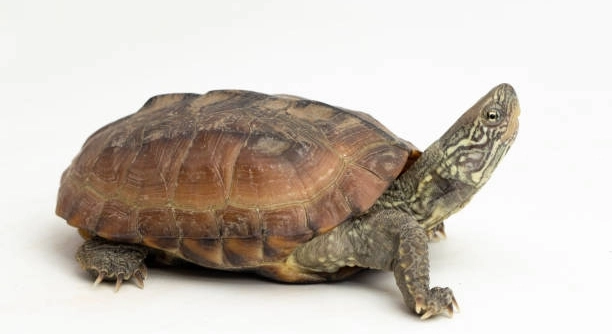
Do you have a musk turtle that constantly floats? This common behavior may leave you wondering what’s going on. There are several reasons why your turtle might be drifting in the water, and understanding them can help ensure its well-being.
Musk turtles often float due to issues such as buoyancy problems, respiratory infections, or poor water conditions. These factors can impact their ability to dive or maintain proper balance, and may require prompt attention to resolve.
Understanding why your musk turtle keeps floating will help you identify the root causes. From diet to habitat, we will cover all possible explanations to keep your pet happy and healthy.
Poor Water Conditions
Water quality plays a significant role in the health of your musk turtle. If the water is dirty or unbalanced, your turtle may struggle to stay submerged or maintain buoyancy. Low oxygen levels in the water can also contribute to floating. When there is too much waste or debris in the water, it can become cloudy and contaminated, making it harder for your turtle to breathe. You might notice your turtle floating more often in these situations.
It’s essential to regularly change the water and use a good filter to keep it clean. If the water temperature is too warm or cold, it can stress your turtle and lead to floating.
In addition to cleanliness, check the pH and hardness of the water. Musk turtles are sensitive to these changes, and improper levels can affect their behavior. A simple water test can give you valuable information to adjust the environment. You might also want to add a water heater to maintain a stable temperature. This small step can go a long way in preventing floating.
Respiratory Infections
A common reason for floating in musk turtles is a respiratory infection. When a turtle has trouble breathing, it might float instead of sinking. Respiratory infections are often caused by poor water quality or a sudden change in temperature. These infections affect the turtle’s lungs and can lead to difficulty in swimming or diving.
If you notice your turtle is floating, along with symptoms like wheezing or nasal discharge, it could be a sign of an infection. Taking your turtle to a vet for treatment is important to avoid further complications. Antibiotics or other treatments can help your turtle recover.
Respiratory infections need to be treated quickly. If left untreated, they can cause permanent damage to your turtle’s lungs and make it hard for them to breathe properly. It’s always better to get the proper treatment early on. This will give your turtle the best chance at a healthy recovery.
Inadequate Diet
An improper diet can cause floating in musk turtles. When a turtle’s diet lacks essential nutrients, it may struggle with buoyancy. Overfeeding or feeding the wrong types of food can also contribute to digestive issues, causing the turtle to float. A balanced diet is key for keeping your turtle healthy.
Musk turtles need a variety of foods, including protein, vegetables, and calcium. Avoid offering too much fatty or high-protein food, as this can lead to weight gain or digestive problems. Too much protein without the right balance of other nutrients can affect their ability to dive and swim properly.
Providing the right diet will help your turtle maintain proper weight and overall health. If you suspect your turtle’s floating is due to diet, try adjusting the food and adding variety. It’s important to offer the proper balance to avoid health issues related to feeding. An occasional calcium supplement can also improve shell health and overall well-being.
Gas Buildup
Sometimes, your turtle may float due to gas buildup in its digestive system. This can occur when they eat too quickly, consume air while eating, or have an undigested meal that causes bloating. Gas buildup in the intestines can disrupt your turtle’s ability to dive properly.
If your turtle’s belly appears swollen or they float more frequently after eating, it may be caused by gas. Reducing the amount of food you offer or providing smaller meals can help prevent bloating. Giving your turtle time to digest between feedings is important to avoid discomfort.
The issue of gas buildup can sometimes be temporary. However, if it persists, you may need to adjust your turtle’s diet or consult a vet. Certain types of food, especially those high in fiber or indigestible parts, can lead to discomfort, so make sure to avoid them.
Overfeeding
Overfeeding your musk turtle can lead to floating, especially if the turtle becomes overweight. Extra weight can affect buoyancy, causing the turtle to have difficulty staying underwater. It’s important to feed your turtle the right portions to maintain a healthy weight.
An overfed turtle may also suffer from digestive problems, further contributing to floating behavior. Monitor how much you feed your turtle, adjusting based on their size and age. Make sure not to offer too much food at once, as this can cause both floating and long-term health issues.
Poor Shell Health
A weak or damaged shell can sometimes cause a musk turtle to float. If the shell is not in good condition, it can affect the turtle’s buoyancy and ability to dive properly. A lack of calcium or improper diet often leads to poor shell health.
If your turtle’s shell is soft or deformed, it’s a sign they need a better diet and possibly supplements. Regularly check for any signs of injury, infection, or rot on the shell.
FAQ
Why is my musk turtle floating more than usual?
Musk turtles may float for several reasons, including poor water conditions, diet issues, respiratory infections, or gas buildup. Inadequate water quality, including low oxygen levels or improper temperature, can cause stress and floating. An improper diet with an imbalance of nutrients or overfeeding may also lead to buoyancy issues. In some cases, a respiratory infection can make it difficult for your turtle to dive properly, leading to floating. Additionally, gas buildup from eating too quickly or consuming foods that cause bloating may be another reason. Regular water changes, proper feeding habits, and prompt medical attention can help address these issues.
Can a musky turtle float if it’s sick?
Yes, a sick musk turtle can float. If your turtle is unwell, particularly with a respiratory infection, it may have difficulty staying underwater. Respiratory infections, often caused by poor water quality or temperature fluctuations, can make it hard for the turtle to breathe and dive. Look for signs like nasal discharge or difficulty breathing, and take your turtle to a vet if you suspect an infection. Addressing the illness quickly can prevent long-term health issues.
How do I know if my turtle has a respiratory infection?
Signs of respiratory infections in musk turtles include wheezing, nasal discharge, and a lack of appetite. If your turtle is floating and showing these symptoms, it may have a respiratory issue. Additionally, you may notice that the turtle is lethargic or has trouble diving. Taking your turtle to a vet for proper treatment is important to prevent the infection from worsening.
Is it normal for my turtle to float occasionally?
Occasional floating is normal, especially after eating, but persistent floating can be a sign of an underlying problem. If your turtle is floating all the time or struggling to submerge, it could indicate a water quality issue, diet imbalance, or health problem. Regular observation of your turtle’s behavior and conditions will help you determine if the floating is a concern.
Can I fix floating by changing the water?
Changing the water can help fix floating if poor water quality is the cause. Dirty water or improper conditions, such as incorrect pH or temperature, can lead to stress and cause your turtle to float. By maintaining a clean and properly balanced aquatic environment, you improve your turtle’s chances of staying submerged. Don’t forget to monitor the water temperature and use a filter to keep the habitat clean.
What should I do if my turtle is floating due to a gas buildup?
If your turtle is floating due to gas buildup, you can try adjusting its diet. Avoid feeding your turtle too quickly or offering foods that are known to cause bloating. Small, frequent meals are better than large ones. Foods high in fiber or that are difficult to digest, such as certain vegetables, should be reduced. If the floating continues, consult a vet for further advice on managing your turtle’s digestive health.
Could overfeeding cause my turtle to float?
Yes, overfeeding can cause floating, especially if your turtle gains excessive weight. Overfed turtles may have difficulty staying submerged, as their extra weight can affect their buoyancy. It’s important to follow a feeding schedule and provide the appropriate amount of food based on your turtle’s age and size. Overfeeding can also lead to other health issues, such as digestive problems.
How do I prevent my turtle from floating in the future?
To prevent your turtle from floating, maintain clean, well-balanced water and feed it a healthy, varied diet. Regularly check the water’s temperature, pH, and oxygen levels to ensure the environment is suitable for your turtle. Be mindful of overfeeding and avoid foods that can cause bloating. Also, monitor your turtle’s overall health, including its shell condition, and seek vet advice when necessary.
Can a turtle float due to its shell being in poor condition?
Yes, a turtle with a weak or damaged shell may have trouble staying submerged, leading to floating. A poor shell is often a sign of calcium deficiency or poor nutrition. Make sure your turtle’s diet includes enough calcium, and if the shell is soft or deformed, consult a vet. Regularly check the shell for any signs of injury or infection.
What are the signs that my turtle is overweight?
An overweight turtle may float more often due to excess fat affecting buoyancy. Signs of an overweight turtle include a rounded or bloated belly and difficulty diving. If your turtle appears sluggish or has difficulty swimming, it may be a sign that they are overweight. Adjust their feeding schedule and provide a more balanced diet to ensure they remain at a healthy weight.
Can temperature changes make my turtle float?
Yes, sudden temperature changes can stress your turtle and lead to floating. Musk turtles are sensitive to water temperature and may have trouble swimming or diving if the water is too warm or cold. Maintaining a stable temperature of around 75°F to 80°F (24°C to 27°C) is ideal for your turtle’s health. Avoid placing your turtle in water that fluctuates too much.
Should I worry if my turtle floats after eating?
Floating after eating can be normal for musk turtles, as they may occasionally experience gas buildup or bloating. However, if the floating persists or is accompanied by other symptoms like loss of appetite or difficulty swimming, it could indicate a health problem. If the floating continues, consult a vet to rule out digestive issues or other concerns.
Final Thoughts
Musk turtles are fascinating creatures, but when they start floating frequently, it can raise some concerns. Floating is often a sign that something is not quite right with your turtle’s environment, health, or diet. It could be a simple issue like water quality or an indication of a more serious problem such as a respiratory infection or a digestive issue. It’s important to closely observe your turtle’s behavior and address any problems as soon as you notice them. Taking action early can help prevent further complications and ensure your turtle stays healthy.
Maintaining clean water, providing the right diet, and keeping the tank at the proper temperature are the first steps in preventing your turtle from floating. Regularly check the water’s pH levels, temperature, and oxygen content. A proper balance in these factors will help create a healthy environment for your turtle. Additionally, feeding your turtle the right portions and variety of food is essential. Overfeeding can cause weight gain, which in turn can affect buoyancy. A varied diet that includes protein, vegetables, and calcium will contribute to your turtle’s overall well-being.
However, if floating continues despite maintaining proper care, it’s important to seek professional advice. A vet who specializes in reptiles can provide a proper diagnosis and suggest treatments if needed. Infections or serious health issues require attention and care. By staying informed about your turtle’s needs and behaviors, you’ll be in a better position to help them live a long, happy life. Understanding the root causes of floating will ensure that your turtle remains healthy and that you’re providing the best care possible.

Hello,
If you enjoy the content that we create, please consider saying a "Thank You!" by leaving a tip.
Every little bit helps us continue crafting quality advice that supports the health, happiness, and well-being of pets around the world, for pets of all shapes, sizes, and species.
We really appreciate the kindness and support that you show us!