
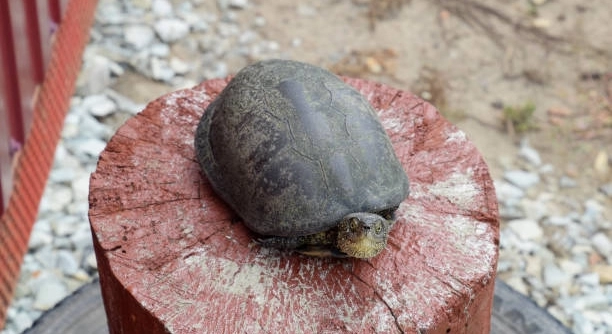
Proper humidity is essential for keeping your musk turtle healthy and comfortable. Without the right conditions, they can face serious health issues. Maintaining proper humidity levels in their enclosure is one of the best things you can do for your pet.
To maintain proper humidity for musk turtles, you must keep the enclosure’s humidity between 60% and 80%. This can be achieved by using water features, regular misting, and monitoring the air quality with a hygrometer.
These simple tips will guide you in creating a thriving environment for your turtle. Following these steps ensures your pet enjoys a healthy and happy life in its home.
1. Creating the Right Environment for Musk Turtles
When setting up your musk turtle’s habitat, it’s important to replicate a natural environment. Start by adding a water source, such as a small pond or a shallow tank, where your turtle can swim. This not only provides hydration but also helps with humidity control. Musk turtles are semi-aquatic, so they need a mix of both land and water. To maintain the right humidity levels, ensure the water area is large enough to cover a significant portion of the enclosure. Include a dry area where the turtle can bask, but make sure it is not too dry, as it could cause dehydration.
One of the best ways to maintain humidity is by using a large, shallow water container. This will provide more surface area for evaporation, which keeps the humidity level steady. Keeping the tank away from direct heat sources also helps, as high heat can cause rapid evaporation, lowering the humidity too much.
Be mindful of the lighting in the enclosure. Too much heat can not only dry out the air but can also stress your turtle. Keeping a balance of warmth and humidity will ensure that your turtle’s environment remains comfortable and healthy.
2. Monitor Humidity Regularly
A hygrometer is your best friend when it comes to maintaining the proper humidity levels for your turtle. These devices are affordable and will give you an accurate reading of the air’s moisture levels. It’s essential to check the humidity levels daily to ensure they stay in the ideal range of 60% to 80%.
Humidity is crucial for your turtle’s overall health. Too low humidity can lead to skin shedding problems, while too high humidity can cause respiratory issues. Regular monitoring ensures that the humidity level stays balanced. If your tank consistently falls below the target range, you might need to adjust the setup or add more humidity sources.
3. Misting the Enclosure
Misting the enclosure helps boost humidity levels naturally. Using a spray bottle, lightly mist the tank once or twice a day, depending on the humidity reading. Be sure not to soak the enclosure, as this could cause water to accumulate and create mold or fungus.
A good strategy is to mist in the evening when the air is cooler, as this helps the moisture linger longer. Don’t forget to mist the dry areas, especially if the turtle likes to bask there. Keep an eye on the humidity levels afterward to make sure they are in the right range.
Avoid over-misting. Too much water can raise the humidity level too high, which might cause stress for your turtle. A few short bursts of misting are all it takes to help maintain a healthy balance of moisture and air quality in the tank.
4. Using a Substrate for Humidity
A substrate like coconut fiber or sphagnum moss can help retain moisture in your turtle’s enclosure. These materials absorb water and release it slowly into the air, which helps maintain a consistent humidity level. It also provides a more natural, comfortable environment for your turtle to move around in.
Place the substrate in the basking area and around the water container. It helps keep the air moist without making the tank too soggy. You can also add a layer in the water area, as long as you monitor it regularly to prevent mold buildup. The key is to maintain a balance—if the substrate becomes too wet, it could turn into a breeding ground for bacteria.
Choosing the right substrate is essential. Coconut fiber, for example, is both moisture-retaining and easy to clean. Avoid using anything too dense or compact, as it can prevent proper airflow and increase the chances of mold growth. You want a substrate that maintains humidity without making the environment too wet.
5. Using a Humidifier
A humidifier is an effective way to maintain consistent humidity levels in your turtle’s tank. It adds moisture to the air without the need for manual misting. Place the humidifier near the enclosure to ensure the humidity stays between 60% and 80%.
Make sure the humidifier is set to a low misting level to avoid over-saturating the air. Too much humidity can lead to health issues for your turtle, so regular monitoring is necessary. Using a humidifier in combination with misting can give your turtle a balanced and comfortable living environment.
6. Choosing the Right Water Temperature
The water temperature in your turtle’s enclosure should be between 75°F and 85°F. This helps regulate humidity and encourages healthy behavior. A good water heater can help maintain these temperatures, but be cautious not to overheat the tank, which can lead to excessive evaporation.
The heater should be placed in the water, but away from where your turtle typically swims. If the water gets too hot, it may evaporate quickly, dropping humidity levels too low. Be sure to regularly check the temperature with a reliable thermometer.
7. Avoiding Direct Heat Sources
Avoid placing your turtle’s tank under direct sunlight or near heat vents. Sunlight can quickly raise the temperature, causing the humidity to drop. Heat vents and other direct heat sources can also dry out the air, which isn’t ideal for your turtle’s environment.
By keeping the tank in a shaded, cooler area, you ensure the humidity remains stable. A steady environment reduces stress for your turtle and helps maintain their health in the long term. Direct heat is a major disruptor of humidity, so careful placement is key.
FAQ
What happens if my musk turtle’s habitat is too dry?
If your musk turtle’s habitat is too dry, it can lead to several health problems. Dry environments can cause dehydration, skin shedding issues, and even respiratory problems. Your turtle may appear sluggish or have difficulty shedding its skin properly, which can be harmful. Inadequate humidity can also result in stress, making your turtle more vulnerable to infections. Maintaining the right humidity levels ensures your turtle stays hydrated and healthy.
How do I know if the humidity level is right for my turtle?
To ensure the humidity level is appropriate, use a hygrometer to monitor the air moisture. The ideal range for musk turtles is between 60% and 80%. If the humidity is too low, your turtle may show signs of stress or dehydration. If it’s too high, the tank could get too warm, and the turtle may experience respiratory distress. Check the humidity regularly and adjust your setup as needed.
How often should I mist the enclosure?
Misting once or twice a day should be enough to maintain proper humidity for your turtle. If the air is especially dry or if you notice the humidity dropping, you can mist more frequently. However, be cautious not to overdo it, as too much water can cause mold to grow and make the habitat too humid. Always keep an eye on the hygrometer to guide your misting schedule.
Can I use a regular household humidifier for my turtle’s tank?
Yes, a regular household humidifier can be used, but it’s essential to set it on a low misting level. If it disperses too much moisture at once, it can create excessive humidity, which is not ideal. Placing the humidifier near the tank will help maintain a consistent level of moisture in the air. It’s also important to clean the humidifier regularly to avoid bacteria growth.
Is a water dish enough to maintain humidity?
While a water dish is helpful for providing hydration to your turtle, it may not be enough on its own to maintain proper humidity. A larger water source, such as a shallow pond or tank, helps increase humidity more effectively. You can also combine it with other methods like misting or using a humidifier to keep the humidity in the right range.
Can I use a sponge to help with humidity?
A sponge can help in some cases, as it holds water and releases it into the air slowly. However, sponges should be used with caution. If left too wet or in high humidity, they may develop mold or bacteria. Instead, consider using a more reliable substrate, like coconut fiber, which provides both moisture retention and good airflow. A sponge may be useful for localized moisture, but it’s not a substitute for regular humidity monitoring.
How do I clean the humidity equipment?
To keep your humidity equipment, such as humidifiers or misting systems, clean, follow the manufacturer’s instructions. It’s important to regularly clean these items to prevent mold, mildew, or bacteria buildup. For humidifiers, clean the water tank and filters weekly to avoid contaminating the air. For misting systems, ensure the nozzles remain clear and that the spray bottle is rinsed regularly.
Can I keep a musk turtle in a glass tank?
Yes, glass tanks can be suitable for musk turtles. They allow you to see your turtle and help maintain humidity if set up properly. Glass tanks, however, can also be prone to rapid temperature and humidity changes, so it’s important to monitor the conditions closely. Make sure to place the tank in a shaded area and use a reliable heater to maintain consistent temperature levels. Regular humidity monitoring is crucial in glass tanks as they can dry out more quickly than other types of enclosures.
What substrate is best for maintaining humidity?
Coconut fiber and sphagnum moss are great substrates for maintaining humidity. Both retain moisture well and help to keep the air moist. Coconut fiber is easy to clean and doesn’t compact as much, allowing for better airflow. Sphagnum moss, on the other hand, releases moisture slowly, making it perfect for keeping a steady level of humidity. These substrates can be placed in the basking areas and around the water features. Just remember to monitor them for mold growth and clean them as needed.
How can I prevent mold in my turtle’s habitat?
To prevent mold, ensure that the habitat isn’t overly wet and that the humidity remains within the recommended range. Mold thrives in stagnant, excessively moist environments. Make sure to provide proper ventilation in the tank and avoid over-misting or over-wetting the substrate. If you notice any mold forming, immediately clean the affected area with a mild cleaning solution. Regular maintenance and airflow are key to preventing mold buildup.
Do I need a special thermometer to monitor the water temperature?
Yes, a good aquarium thermometer is necessary to monitor the water temperature accurately. Digital thermometers are reliable and easy to use. They will allow you to ensure that the water stays between 75°F and 85°F, which is ideal for musk turtles. A thermometer designed for aquatic environments will give precise readings and can help avoid overheating the water, which can disrupt humidity levels.
Final Thoughts
Maintaining proper humidity for musk turtles is essential for their health and well-being. These reptiles rely on a humid environment to thrive, and ensuring their habitat meets the right moisture levels will help prevent many common health problems. Keeping the humidity between 60% and 80% is crucial, as it helps maintain hydration, supports proper shedding, and promotes overall comfort. Regular monitoring of both humidity and temperature will ensure a stable environment where your turtle can live happily.
The methods discussed in this article, such as misting, using a humidifier, and choosing the right substrate, are all simple yet effective ways to maintain the proper humidity in your turtle’s tank. It’s important to create an environment that mimics their natural habitat as closely as possible. Consistency is key, and paying attention to small details like misting regularly and using a hygrometer will make a noticeable difference in the health of your turtle. A balanced environment is also less stressful for your pet, which leads to a more active and comfortable turtle.
By keeping these tips in mind, you can provide a comfortable and healthy habitat for your musk turtle. It may take a little effort at first to get everything set up, but once the humidity and temperature are balanced, maintaining the environment will become routine. In the long run, these small adjustments will help ensure that your turtle lives a long, healthy life in a suitable environment.

Hello,
If you enjoy the content that we create, please consider saying a "Thank You!" by leaving a tip.
Every little bit helps us continue crafting quality advice that supports the health, happiness, and well-being of pets around the world, for pets of all shapes, sizes, and species.
We really appreciate the kindness and support that you show us!