
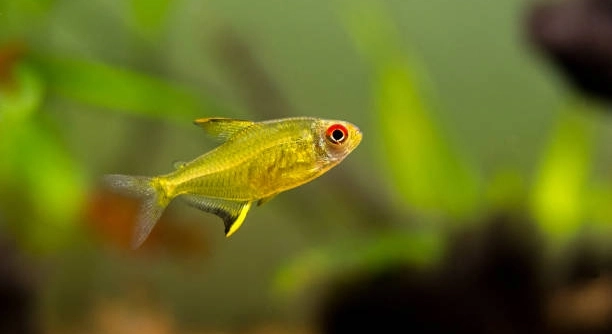
Are your lemon tetras constantly rubbing against decorations or the tank walls, leaving scratches on their bodies? Many fish owners notice this behavior and worry about their pet’s health, seeking clear guidance on how to help them.
The primary cause of lemon tetras scratching is often external parasites or poor water conditions. Parasites such as ich or flukes irritate their skin, while high ammonia, nitrite, or improper pH levels can also lead to excessive rubbing and stress.
Understanding these causes will help you protect your fish and maintain a healthy aquarium environment for their well-being and longevity.
Common Causes of Scratching
Lemon tetras scratch themselves for several key reasons. Parasites like ich or skin flukes attach to their scales, causing irritation and discomfort. Poor water quality can also trigger this behavior. High ammonia, nitrite, or fluctuating pH levels weaken the fish’s protective mucus, making them more prone to scratching. Stress from overcrowding or aggressive tankmates can further aggravate the problem. Decorations or rough surfaces in the aquarium may also contribute, especially if the fish is trying to remove irritants. Identifying the exact reason requires close observation of both the fish and the tank environment. Noticing patterns such as specific times of day, areas of the tank where scratching occurs, or other behavioral changes can provide clues. Regular water testing and keeping the tank clean are essential preventive measures. Treating parasites promptly and maintaining stable, appropriate water conditions can significantly reduce scratching incidents and improve overall fish health.
Early detection of these issues is vital for preventing long-term harm to your lemon tetras.
By observing the tank carefully, you can spot small changes in behavior or appearance that indicate parasites or stress. Testing water for ammonia, nitrite, nitrate, and pH levels regularly helps maintain a safe environment. If parasites are found, treatments such as medicated baths or water medications may be necessary. Adjusting decorations, ensuring enough hiding spots, and reducing aggressive tankmates also improves comfort. Overfeeding can lead to poor water quality, so a balanced feeding schedule is important. These steps, combined with consistent monitoring, help protect your fish and reduce scratching behavior. Proper care creates a stable, comfortable habitat that allows lemon tetras to thrive while minimizing irritation and disease risk. Maintaining this routine ensures your fish remain healthy and active.
Water Quality and Tank Maintenance
Maintaining clean, stable water is essential for preventing scratching. Poor conditions directly stress lemon tetras, making them more vulnerable to irritation and disease.
Testing water parameters, performing regular water changes, and avoiding overcrowding are key steps. Clean filters and controlled feeding routines maintain a healthy environment for all tank inhabitants.
Stable water conditions reduce stress, strengthen the fish’s immune system, and prevent the spread of parasites. Lemon tetras are sensitive to sudden changes in temperature, pH, or chemical composition. Even small fluctuations can cause irritation and trigger scratching. Monitoring levels with a reliable test kit and acting quickly if readings are off is crucial. Water changes remove excess waste, nitrates, and harmful chemicals, keeping the tank safe. Choosing appropriate substrate and decorations also helps, as rough surfaces can worsen scratching. Consistent maintenance routines ensure a comfortable, low-stress habitat where lemon tetras can swim freely without irritation. Paying attention to these details protects fish from recurring issues and promotes long-term health, allowing you to enjoy a vibrant, active aquarium.
Parasites and Treatments
Parasites such as ich or skin flukes are a common reason lemon tetras scratch. They attach to the fish’s body, causing irritation, and can quickly spread if not treated promptly. Medications and tank management are essential for controlling infestations.
Once parasites are detected, immediate treatment is necessary to prevent worsening conditions. Ich, for example, appears as tiny white spots, while flukes may cause rubbing and rapid gill movement. Over-the-counter medications, such as antiparasitic baths or water treatments, are often effective. Removing activated carbon during treatment helps medication work efficiently. Increasing the water temperature slightly, as directed, can speed up parasite life cycles, making treatments more effective. Isolation of affected fish may also be required to prevent spreading to healthy tankmates. Regular observation ensures that signs of parasites do not return after treatment.
Proper dosing and following the instructions on medications are critical to avoid harming fish. Frequent monitoring during and after treatment ensures that the parasites are fully eradicated. Avoid sudden water changes that may stress the fish further. Maintaining a clean, stable tank during this period helps the immune system recover. After treatment, adding aquarium salt in recommended doses can help soothe irritated skin and reduce stress. Combining medication, water care, and careful observation provides the best chance for recovery, allowing lemon tetras to regain their normal behavior and health.
Stress and Behavioral Factors
Overcrowding, aggressive tankmates, or sudden environmental changes can trigger scratching in lemon tetras. Stress weakens their immune system and increases susceptibility to irritation and disease. Adjusting the tank setup and monitoring interactions is essential to reduce stress.
Stress-related scratching often occurs when fish feel threatened or lack hiding spaces. Lemon tetras may rub against objects to relieve irritation caused by anxiety or territorial disputes. Overcrowded tanks increase competition for resources, leading to heightened stress levels. Providing plants, decorations, and proper spacing allows fish to establish personal areas and reduces conflict. Even minor changes in light, temperature, or water flow can affect sensitive fish. Observing behavior closely helps identify sources of stress. Separating aggressive individuals and maintaining consistent feeding and cleaning schedules support a calmer environment. Reducing stress not only decreases scratching but also promotes healthier growth, brighter coloration, and more active swimming patterns.
Preventing stress involves careful planning and consistent maintenance. Choosing compatible species, providing adequate hiding spots, and limiting sudden changes in water parameters are effective strategies. Proper feeding routines and monitoring behavior allow early detection of stress signs. Ensuring a stable environment helps lemon tetras adapt to their surroundings without excessive irritation or scratching. By addressing both environmental and social stressors, fish can thrive in a calm, secure habitat, reducing the risk of recurring behavioral issues and promoting long-term health.
Physical Irritation
Rough decorations, sharp rocks, or coarse substrate can cause lemon tetras to scratch. Their delicate skin may get rubbed or nicked, leading to irritation. Regular inspection of tank items helps prevent unnecessary harm and keeps fish comfortable.
Removing or smoothing sharp edges and providing soft plants or smooth surfaces can reduce scratching. Observing where fish spend time shows which objects may be causing problems.
Nutritional Deficiencies
Poor diet can weaken a fish’s skin and immune system, making them more prone to scratching. Providing a varied diet with high-quality flakes, pellets, and occasional live or frozen foods supports healthy skin and scales.
Observation and Monitoring
Tracking your lemon tetras’ behavior daily helps detect early signs of scratching. Note any changes in swimming, hiding, or rubbing habits, as these can indicate underlying issues.
Tank Size and Population
Overcrowding increases stress and physical contact, contributing to scratching. Maintaining appropriate fish density ensures a healthier, calmer environment.
FAQ
Why is my lemon tetra scratching constantly?
Scratching usually occurs because of parasites, poor water conditions, stress, or physical irritation from decorations. External parasites such as ich attach to the fish’s body, causing discomfort. High ammonia, nitrite, or fluctuating pH levels weaken their protective mucus, making them more sensitive. Stress from overcrowding or aggressive tankmates can also trigger rubbing against objects. Monitoring the tank environment and fish behavior helps identify the underlying cause.
How do I know if my fish has parasites?
Look for white spots, rapid gill movement, or excessive rubbing against surfaces. Parasites often appear as small visible marks, but sometimes symptoms are behavioral, such as lethargy or loss of appetite. Observing your fish closely and noting patterns of scratching can indicate a parasitic infection. Treating early prevents spread to other fish.
Can poor water quality cause scratching?
Yes, poor water quality is a major factor. Elevated ammonia or nitrite levels, sudden pH changes, or inconsistent temperature can irritate the fish’s skin. Regular testing and water changes keep levels safe. Proper filtration and avoiding overfeeding also maintain a stable environment. Clean, stable water reduces stress and strengthens the fish’s immune system, preventing excessive scratching.
What medications are safe for treating parasites?
Over-the-counter antiparasitic treatments are typically effective, including medicated baths and water medications. Removing activated carbon during treatment ensures the medication works efficiently. Following dosing instructions carefully avoids harming the fish. Isolating affected individuals may help prevent spreading the infection, while slight temperature adjustments can speed up parasite life cycles for more effective treatment.
Can stress make my lemon tetra scratch more?
Stress greatly contributes to scratching. Overcrowded tanks, aggressive tankmates, or sudden changes in light, temperature, or water flow can increase irritation. Providing hiding spots, maintaining stable conditions, and monitoring interactions reduces stress. A calm environment helps fish recover from scratching behaviors caused by environmental pressures.
How do I prevent physical irritation?
Smooth decorations, soft plants, and safe substrate reduce rubbing and nicks. Inspecting all tank items regularly ensures nothing causes harm. Observing where fish spend time helps identify problem areas, allowing adjustments that minimize scratching caused by rough surfaces.
Does diet affect scratching?
Yes, a poor diet weakens skin and scales. High-quality flakes or pellets supplemented with occasional live or frozen foods improve overall health. Adequate nutrition supports the immune system, making fish less prone to irritation and external parasites.
How important is tank size?
Overcrowding increases stress and physical contact, which can lead to scratching. Maintaining appropriate fish density ensures a calmer environment. Spacing and hiding areas give fish room to swim freely, reducing conflict and irritation. Proper tank size promotes healthier behavior and minimizes scratching caused by competition or stress.
Should I quarantine new fish?
Quarantining new arrivals is essential. It prevents parasites or diseases from entering the main tank. Observing new fish in a separate environment for several weeks allows early detection of parasites, reduces the risk of spreading, and keeps your lemon tetras safe.
When should I call a professional?
If scratching persists despite water care, proper diet, and parasite treatment, seeking expert advice is recommended. A veterinarian specializing in fish can provide diagnosis and treatment plans. Persistent symptoms may indicate underlying disease or chronic stress requiring professional attention.
How often should I monitor my tank?
Daily observation is ideal. Watch fish behavior, check for scratching, and monitor water parameters regularly. Catching problems early prevents serious health issues and helps maintain a stable, healthy environment for lemon tetras.
Can tankmates cause scratching?
Yes, aggressive or incompatible tankmates can stress lemon tetras, leading to scratching. Monitoring interactions, separating aggressive individuals, and choosing compatible species reduces conflict and irritation. A calm social environment helps fish stay healthy and reduces unnecessary rubbing behaviors.
Is scratching always a sign of illness?
Not always. Temporary scratching can occur when adjusting to a new tank or minor irritants. However, persistent or worsening scratching often signals parasites, poor water quality, or stress. Observing patterns and addressing the underlying cause ensures the fish’s well-being.
Can aquarium salt help?
Aquarium salt can soothe irritated skin and reduce minor infections when used correctly. It supports recovery after treatment and helps prevent further stress-related scratching. Follow recommended dosages to avoid harming sensitive fish.
How do I know if treatment is working?
Reduced rubbing, clearer skin, normal swimming, and regained appetite indicate effective treatment. Continue monitoring water quality and tank conditions to ensure full recovery. Repeated observations confirm that parasites or irritants have been successfully managed.
Final Thoughts
Scratching in lemon tetras is a common issue, but it is often preventable and manageable with careful attention. The behavior usually signals that something in the tank environment is not optimal, whether it is parasites, poor water quality, stress, physical irritation, or diet deficiencies. Each of these factors can impact a fish’s health and comfort, so identifying the cause is essential for providing proper care. Observing your fish daily and noting patterns in their behavior can make it easier to address issues before they become serious. Paying attention to subtle changes, such as rubbing against decorations, hiding more than usual, or changes in appetite, gives valuable clues about their well-being.
Water quality remains one of the most important aspects of maintaining healthy lemon tetras. Stable parameters, including ammonia, nitrite, nitrate, and pH levels, create a safe environment that minimizes irritation and stress. Regular water testing and maintenance, such as partial water changes and filter cleaning, support a balanced ecosystem. Even minor fluctuations in temperature or chemical composition can cause sensitivity and trigger scratching behaviors. Alongside water quality, the tank layout and population must also be considered. Overcrowding or aggressive tankmates increases stress, which makes fish more prone to rubbing against surfaces or each other. Adding adequate hiding spots, smooth decorations, and compatible companions helps reduce tension in the tank, allowing fish to swim and interact safely.
Addressing diet and potential parasites is equally important. A varied and balanced diet strengthens the immune system and helps fish resist infections and irritation. High-quality flakes or pellets, supplemented occasionally with live or frozen foods, promote healthy skin and scales. External parasites, such as ich or flukes, are common triggers of scratching and require prompt treatment to prevent spread and further discomfort. Medicated baths, water treatments, and isolation of affected fish can effectively control infestations, but proper dosing and careful monitoring are critical. By combining consistent observation, proper water management, balanced nutrition, and parasite control, you can create a stable and healthy environment for lemon tetras. Addressing these factors not only reduces scratching but also supports long-term well-being, allowing your fish to thrive in a comfortable and safe habitat.

Hello,
If you enjoy the content that we create, please consider saying a "Thank You!" by leaving a tip.
Every little bit helps us continue crafting quality advice that supports the health, happiness, and well-being of pets around the world, for pets of all shapes, sizes, and species.
We really appreciate the kindness and support that you show us!