
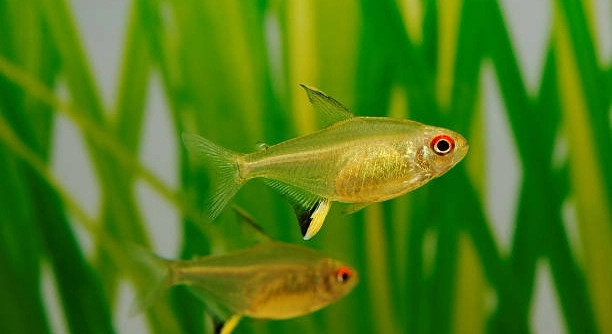
Have you ever wondered how sudden shifts in aquarium conditions might influence your lemon tetra and change the calm feeling of your tank, creating concerns for these bright fish as they adjust to their world.
Lemon tetra show sensitivity to temperature drops because their metabolic processes rely on stable warmth. Even declines can weaken immune function, slow activity, and increase stress. Maintaining consistent water parameters supports healthy behavior and reduces risks related to sudden fluctuations.
Learning how these fish respond to shifting temperatures offers insight and may guide you toward better care choices for wellbeing.
Understanding Temperature Sensitivity
Lemon tetra respond strongly to changes in their water because their bodies depend on steady warmth to stay active and healthy. When the temperature falls, they can become slow, uneasy, and more likely to hide. I have noticed how even small shifts can make them behave differently, showing that these fish rely on a calm and predictable setting. Stable heat helps their immune system stay balanced and supports normal movement. Sudden drops can interrupt their routine and place pressure on their overall comfort. Keeping the tank warm and consistent allows them to swim with ease and show their usual bright energy. By understanding how temperature affects them, you can create a space that stays peaceful and steady for your fish, helping them avoid stress and stay at ease. This simple approach makes daily care smoother and gives your lemon tetra a stable home they can depend on every single day.
A steady temperature helps lemon tetra maintain normal behavior and reduces the chance of stress building in the tank. Small changes can influence their comfort, so keeping the water warm and stable supports smooth activity and better overall health for these gentle fish in their daily aquatic space each day.
When caring for lemon tetra, keeping an eye on temperature changes can help you avoid issues that appear without warning. These fish respond quickly to cooler water, and the shift can influence their health in ways that may not be obvious at first. A reliable heater and regular monitoring can make the difference between a stressed group and a relaxed one. I find it helpful to check the thermometer during routine tasks, making sure nothing has changed overnight. Simple habits like these protect their comfort and keep their environment steady, allowing them to swim calmly and show natural behavior daily.
Managing Temperature Drops
Responding quickly to cooling water helps lemon tetra stay comfortable and active. When you adjust the heater and keep the room stable, you lower the chance of stress. Consistent care supports their balance and gives them a safe space to move around without trouble in their daily tank routine always.
Handling temperature changes for lemon tetra starts with reliable tools and simple habits that you can maintain each day. A good heater set to a steady level prevents sudden shifts that might unsettle your fish. It is helpful to choose a model that adjusts smoothly and keeps the water from cooling too fast when the room temperature falls. Checking the tank during morning and evening tasks allows you to spot early signs of discomfort, such as slow swimming or hiding. These gentle fish respond well to calm conditions, so keeping the tank away from drafts or windows can stop drops before they happen. I like to place a thermometer where it is easy to read, making it part of my routine without adding extra work. When you see even a slight decline in warmth, a small adjustment can keep the environment balanced. Over time, these practices build a stable home that supports health, comfort, and natural behavior. Careful attention helps your lemon tetra stay calm and active, creating a space where they can thrive without unnecessary stress. Consistent attention to warmth and daily checks support a stable tank, giving your lemon tetra the comfort they need to stay relaxed always.
Maintaining Stable Conditions
Keeping the water stable helps lemon tetra stay calm and active throughout the day. Small drops can change how they move and eat, so paying attention to the temperature makes their care easier and keeps their routine smooth without sudden interruptions.
A reliable heater keeps the tank from cooling too quickly, especially when the room temperature shifts. I find it helpful to check the heater’s indicator during simple tasks so I can catch problems early. When the water cools even a little, these fish react fast, so gentle adjustments help them stay balanced. Regular monitoring prevents hidden stress and supports their comfort, allowing them to move naturally and show their usual patterns. Choosing equipment you trust makes a difference, since steady warmth helps them avoid discomfort and remain active each day.
Small habits, like glancing at the thermometer and avoiding placement near windows, protect the tank from unexpected changes. Lemon tetra are sensitive to cooler water, so preventing drafts or sudden shifts helps keep them relaxed. When I keep my setup in a quiet corner of the room, the temperature stays more consistent. These small steps support a peaceful space where they can swim freely without reacting to sudden drops. Over time, steady conditions help them maintain their health and natural behavior.
Preventing Sudden Drops
Avoiding sudden temperature falls helps lemon tetra stay at ease, and quick action can stop stress before it grows. Using a heater cover, checking your tools, and keeping cables secure can reduce the chance of a dip that might unsettle your fish unexpectedly.
A tank with stable equipment creates an environment where lemon tetra can thrive without frequent disturbances. I like to test the heater monthly to make sure it responds properly and maintains a steady warmth. When the water stays within their safe range, they show brighter colors and smoother swimming. Placing a backup thermometer in another corner of the tank helps catch small differences that might indicate cooling. If the room temperature drops at night, a simple insulating cover over part of the tank can help hold heat. These steps reduce risks and keep the water from changing too quickly. Regular checks and calm surroundings support healthier behavior and protect your fish from the strain that sudden shifts often cause.
Recognizing Stress Signs
Lemon tetra show discomfort quickly when temperatures fall, and watching for small changes helps you respond early. Slow movement, hiding, or duller colors often appear first. I like to check their behavior during feeding since shifts become easier to notice when their routine changes suddenly.
When the water cools, they may swim less or stay near the bottom, which signals they are trying to conserve energy. Noticing these patterns makes it easier to adjust the heater before the situation becomes harder on them. Simple attention supports their comfort and keeps their space stable.
Supporting Tetra During Cooler Conditions
Helping lemon tetra stay comfortable during cooler moments involves gentle steps that protect their balance. I find it helpful to warm the room slightly if the tank sits near a cooler wall. Adding a small insulating barrier behind the tank can help reduce temperature swings and keep the warmth consistent. Checking the heater settings twice a day prevents unexpected drops, especially during colder seasons. Feeding lightly during cooler periods helps reduce stress since they digest food better when the temperature feels steady. When they receive calm surroundings and steady warmth, they return to normal behavior faster. These simple actions support stability and help them avoid unnecessary strain when the environment shifts.
Adjusting Care Routines
Changing small habits during colder periods helps lemon tetra stay steady. Checking equipment more often, feeding lightly, and watching for subtle behavior shifts can keep them comfortable and reduce stress when temperatures drop without warning.
How sensitive are lemon tetra to temperature drops?
Lemon tetra are quite sensitive to even small temperature changes. Their bodies depend on consistent warmth to regulate metabolism and stay active. I’ve noticed that even a drop of a few degrees can make them swim slower or hide more often. When the water cools, they can become stressed, which weakens their immune system and makes them more prone to illnesses. Maintaining a steady temperature keeps them active and healthy, supporting natural behavior. It’s best to aim for a constant range in the tank, avoiding sudden fluctuations that might upset their routine.
What is the ideal temperature range for lemon tetra?
The ideal water temperature for lemon tetra generally falls between 72 and 79 degrees Fahrenheit. I like to keep my tank closer to 75 degrees, as it feels stable for their activity and feeding habits. Temperatures below this range can slow them down, making them less energetic and more likely to hide. On the other hand, water that gets too warm may increase metabolism too quickly, causing stress over time. Using a reliable heater and a thermometer helps maintain this range easily. Keeping consistent warmth avoids unnecessary strain and lets them swim naturally throughout the day, showing bright colors and active behavior.
What signs indicate stress from temperature drops?
When lemon tetra are stressed by cooler water, behavior changes are the first sign. They may swim slowly, stay at the bottom, or hide more often. Colors can appear duller, and they might eat less during feeding time. I often watch them closely during early mornings and evenings because temperature shifts are more noticeable then. Stress from temperature changes can build gradually, so catching it early prevents longer-term health issues. Simple monitoring and quick adjustments, like increasing heater output or insulating the tank, can restore comfort quickly. Recognizing these signs early helps them remain active and healthy without unnecessary strain on their system.
How quickly do lemon tetra recover from a temperature drop?
Recovery speed depends on how large the temperature drop is and how quickly it is corrected. I’ve seen small, brief drops cause only minor sluggishness that disappears within a few hours after returning to the proper range. Larger or longer drops may take a full day or more for them to regain normal behavior. Gentle measures, like gradually restoring warmth and keeping feeding light, help prevent further stress. Monitoring their swimming, color, and appetite during recovery provides clear feedback on whether adjustments are working. With consistent care, lemon tetra bounce back quickly, showing that a stable environment is key to their resilience.
Can lemon tetra get sick from small temperature changes?
Yes, even small fluctuations can affect their immune system, making them more vulnerable to illnesses such as fin rot or fungal infections. I pay close attention to temperature stability because repeated minor drops add cumulative stress. A healthy immune system depends on calm and consistent water conditions, so keeping the heater reliable and checking the thermometer daily reduces risk. Small, sudden changes might not show immediate illness, but they can slowly weaken them over time. Preventing temperature swings is far easier than treating stress-related health issues, and it helps maintain overall energy, appetite, and natural behavior patterns.
Are lemon tetra more sensitive in certain seasons?
Temperature sensitivity can increase during colder months because room temperatures drop more often, causing the tank to cool faster. I usually add insulation behind the tank or slightly adjust room heating during winter. Summer can also create stress if air conditioning lowers the surrounding area. Seasonal attention, like checking the thermometer more often, keeps their environment consistent and reduces stress. Lemon tetra thrive when care routines adapt to seasonal changes, preventing unnecessary shifts that affect swimming, feeding, and overall wellbeing. Small adjustments ensure they remain comfortable year-round without significant stress from sudden fluctuations.
What preventive steps help avoid temperature drops?
Reliable tools and daily habits make preventing drops easier. I use a quality heater, keep the tank away from windows or drafts, and check the thermometer during routine care. Adding a small insulating cover can help during colder nights, while monitoring room temperature ensures stability. Backup equipment or a secondary thermometer can catch unnoticed changes. Quick attention to small fluctuations prevents long-term stress and keeps the water steady. Simple daily routines make a big difference, maintaining a calm, safe environment for lemon tetra that supports consistent behavior, healthy swimming, and bright coloration.
How should feeding change during temperature drops?
During cooler periods, digestion slows, so I reduce feeding slightly. Offering smaller portions helps prevent uneaten food from polluting the water, which could increase stress. I also observe their appetite closely; if they eat less, I adjust meals accordingly. Maintaining a lighter diet during small temperature drops protects their health and keeps water quality high. When warmth returns, normal feeding resumes without issues. Monitoring feeding behavior is an easy way to track comfort, allowing for gentle adjustments to keep lemon tetra healthy and active without overloading them during sensitive periods.
Does tank location affect temperature stability?
Yes, placement has a major impact. Tanks near windows, air vents, or doors can experience sudden shifts that affect lemon tetra. I keep my tank in a stable, quiet corner to reduce temperature swings. Even small drafts or sunlight changes can create fluctuations. Stable placement minimizes stress and helps the heater maintain the proper range more easily. Choosing the right spot is one of the simplest steps for consistent care, supporting calm behavior, proper swimming, and healthy immune function.
What equipment is most reliable for maintaining temperature?
A quality heater with an accurate thermostat is the most important. I also keep a thermometer at the opposite end of the tank to verify consistency. Insulating covers or foam behind the tank can help during cooler months. Reliable equipment reduces stress on lemon tetra and ensures the water stays within their safe range. Regular testing and checks prevent unnoticed fluctuations, keeping the tank safe, stable, and supportive of natural behavior. This approach gives peace of mind and protects fish health over time, making daily care simpler and more predictable.
Lemon tetra are small, delicate fish that rely heavily on consistent water conditions to stay healthy. Temperature plays a major role in their daily wellbeing, and even minor fluctuations can create stress that affects behavior and appetite. I have noticed how a few degrees difference can slow their swimming or cause them to hide, which makes it clear how sensitive they are to changes. Providing stable warmth in the tank is one of the easiest ways to help them feel safe and maintain normal activity. Simple tools like a reliable heater and thermometer make it possible to prevent sudden drops, and keeping the tank away from drafts or windows can reduce unexpected shifts. When their environment stays steady, lemon tetra swim freely, eat normally, and show their natural colors and energy. Consistency in care matters more than frequent adjustments, and small daily habits can make a big difference in reducing stress for these fish.
During cooler periods, I find that careful monitoring and minor adjustments go a long way in keeping lemon tetra comfortable. If the room temperature falls, adding an insulating barrier behind the tank or slightly adjusting the heater can prevent drops that might otherwise affect their behavior. Feeding should also be adjusted slightly, offering smaller portions to match their slower metabolism in cooler water. Watching for signs of stress, like slower swimming, hiding, or dull colors, allows for early intervention before their health is affected. Daily observation is important because lemon tetra respond quickly to changes, and catching shifts early makes it easier to maintain a calm environment. Over time, these simple actions help the fish adapt better to minor fluctuations and prevent longer-term stress. By combining steady equipment, proper placement, and attentive care, the tank becomes a more reliable home where lemon tetra can thrive.
Maintaining a stable tank environment also helps prevent illnesses and supports overall health. Stress caused by temperature drops can weaken their immune systems, making them more vulnerable to common problems like fin rot or fungal infections. I have found that keeping a thermometer at different points in the tank, using a dependable heater, and avoiding sudden drafts creates a more balanced setting for the fish. Regular checks and gentle care routines provide confidence that their environment is safe and predictable. Even small measures, like ensuring the tank isn’t exposed to sunlight fluctuations or chilly air currents, contribute to steady water conditions. Over time, these habits protect the lemon tetra from stress-related issues and allow them to display natural behavior. By focusing on stability, attentiveness, and simple adjustments, you provide a comfortable and secure environment that helps these small, bright fish remain healthy, active, and vibrant every day.

Hello,
If you enjoy the content that we create, please consider saying a "Thank You!" by leaving a tip.
Every little bit helps us continue crafting quality advice that supports the health, happiness, and well-being of pets around the world, for pets of all shapes, sizes, and species.
We really appreciate the kindness and support that you show us!