
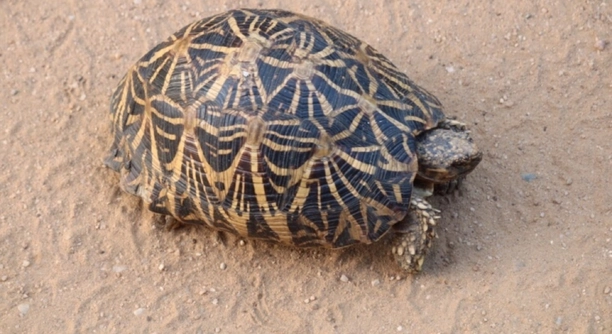
Your Indian Star Tortoise’s refusal to enter its hide can be puzzling. It’s a behavior that many owners encounter, leaving them concerned. Understanding why this happens is important to ensure your tortoise stays healthy and comfortable.
Tortoises may refuse to enter their hide due to stress, an improper habitat, or health issues. Environmental factors, like temperature or lighting, can also influence their behavior. If the hide is too small, they may avoid it altogether.
Several factors might be contributing to this issue. By understanding what affects your tortoise, you can address the root causes and provide a comfortable environment.
Stress and Anxiety in Your Indian Star Tortoise
Stress is one of the most common reasons your Indian Star Tortoise might refuse to enter its hide. Tortoises are sensitive to changes in their environment, and even small disruptions can cause anxiety. Loud noises, unfamiliar people, or sudden movements can make them feel unsafe. If they perceive the hide as a place of danger rather than safety, they may avoid it altogether. In a more stressful environment, your tortoise may spend more time in the open, trying to escape perceived threats rather than retreating into its hide.
It’s essential to maintain a peaceful environment for your tortoise. Avoid sudden movements or loud sounds near its enclosure. A calm and quiet space will help your tortoise feel secure and more likely to use its hide.
Making sure your tortoise feels comfortable in its enclosure is vital. The hide should be in a quiet corner, away from direct human interaction. This way, it’s easier for your tortoise to see it as a refuge, promoting a more natural behavior.
Environmental Factors That Affect Behavior
The environment plays a huge role in how your tortoise behaves.
Temperature, humidity, and lighting all impact the tortoise’s willingness to enter its hide. If the temperature in the enclosure is too high or too low, the tortoise may avoid the hide as a way of staying comfortable. Similarly, improper lighting can confuse your tortoise about day and night cycles, affecting its need for rest and shelter.
To fix this, ensure the enclosure has a proper heat gradient, with cooler and warmer areas for your tortoise to regulate its body temperature. If the hide is too warm or too cold, it may be uncomfortable for the tortoise, making it less likely to use it. Additionally, provide both UVB light for daytime and a dark, quiet space for nighttime rest. Keeping these environmental factors in check will help your tortoise feel more at ease and encourage it to enter its hide when needed.
Size and Comfort of the Hide
A hide that is too small or uncomfortable can easily discourage your tortoise from using it. If it feels cramped or doesn’t offer a cozy spot, your tortoise might not see it as a safe space. Make sure the hide is large enough for your tortoise to move around freely and stretch.
Your Indian Star Tortoise needs enough space in the hide to feel secure. A small hide can make it feel trapped or vulnerable, leading it to avoid entering. If you notice your tortoise struggling to fit inside, consider upgrading to a larger hide. Also, check for sharp edges or rough surfaces that could make the hide uncomfortable. The hide should have a smooth, clean interior, offering your tortoise a quiet and safe retreat.
Ensure that the hide also has a suitable substrate for comfort. Some tortoises prefer soft bedding, while others prefer a more solid surface. If the bedding is too dry, too wet, or uncomfortable, your tortoise may avoid it altogether. A comfortable hide is essential for encouraging natural resting behavior.
Health Concerns and Inability to Enter
If your tortoise is feeling unwell, it may not use its hide as usual. Illness or injury can make it harder for your tortoise to seek shelter in its hide. Look for any signs of discomfort, such as limping, lack of appetite, or lethargy.
A tortoise that is experiencing pain or discomfort might find it difficult to climb into its hide. Injuries, such as shell damage, or internal health issues can create barriers for your tortoise. It may avoid the hide because it associates movement with pain. If you notice behavioral changes, it’s time for a vet visit.
Check your tortoise’s health regularly to identify any issues early. Signs of dehydration, fungal infections, or other health problems can lead to a reluctance to enter the hide. By addressing any potential health issues, you can help your tortoise feel better and return to its natural hiding behaviors.
Unfamiliar Scents or Changes in the Environment
Tortoises are sensitive to smells, and a sudden change in their surroundings can make them hesitant to use their hide. If you’ve recently moved their enclosure or introduced new items, they may avoid the area. Tortoises feel more comfortable when their environment remains consistent.
If you’ve added new decorations, cleaned the tank with a strong-smelling cleaner, or changed the bedding, your tortoise may be put off by the unfamiliar scents. Even slight changes to the setup can cause unease. Ensure the area remains consistent so your tortoise feels comfortable entering its hide again.
Wrong Type of Hide for the Species
Not all hides are created equal, and the one you choose may not be suitable for an Indian Star Tortoise. These tortoises prefer hides that provide both privacy and ventilation. A poor choice could discourage your tortoise from using it.
An Indian Star Tortoise benefits from a hide that is low to the ground but not completely enclosed. A hide with ventilation holes or slits for airflow is ideal to prevent the hide from becoming too stuffy. It also needs to be easy for the tortoise to enter and exit, making the design of the hide just as important as its size.
Lack of a Proper Day-Night Cycle
Your tortoise may be avoiding its hide if the lighting doesn’t reflect the natural day-night cycle. Improper light exposure can disrupt its natural rhythm, making it less likely to seek shelter when needed. Make sure the lighting is set to mimic day and night.
A regular light-dark cycle is crucial for your tortoise’s behavior and health. Too much light or a sudden shift in lighting patterns can confuse your tortoise and interfere with its resting habits. Ensure the enclosure has UVB light for daytime and darkness at night to encourage proper use of the hide.
FAQ
Why isn’t my Indian Star Tortoise using its hide?
There are several reasons why your tortoise might not be using its hide. It could be due to stress, discomfort, environmental issues, or health concerns. Stress from changes in the environment, such as loud noises or unfamiliar scents, can discourage your tortoise from entering its hide. Make sure its living space is quiet and calm. If the hide is too small, uncomfortable, or poorly placed, your tortoise may avoid it. Health problems, such as injuries or illness, can also prevent your tortoise from seeking shelter in its hide.
How can I make the hide more attractive to my tortoise?
To make the hide more inviting, ensure it’s the right size and placed in a quiet, secure corner of the enclosure. The hide should be big enough for your tortoise to move around freely without feeling cramped. Use soft, comfortable bedding inside the hide to make it cozy. Also, consider the material of the hide—natural materials like wood or ceramic can be more appealing than plastic. Adding a few small decorations or plants nearby can also make the space feel more natural and welcoming to your tortoise.
Can temperature affect my tortoise’s behavior toward its hide?
Yes, temperature plays a significant role in whether your tortoise uses its hide. If the hide is too hot or too cold, your tortoise may avoid it. Tortoises need a temperature gradient in their enclosure to regulate their body heat. Make sure there are areas with both cooler and warmer spots so your tortoise can choose the right place to rest. If your hide is too hot or too cold, your tortoise may seek shelter elsewhere, like under a log or in a more open area.
Should I worry if my tortoise doesn’t enter its hide all the time?
It’s not uncommon for tortoises to occasionally avoid their hide, especially during the day when they might be more active. However, if your tortoise is constantly avoiding its hide, it’s important to check for underlying issues. Make sure the temperature, humidity, and lighting are appropriate. Also, check if the hide is the right size and comfortable for your tortoise. If the problem persists, consider consulting a vet to rule out health issues.
What if my tortoise is hiding but not eating?
If your tortoise is hiding but not eating, it may be a sign of stress or illness. Tortoises often hide when they are feeling unwell or stressed out. First, check the temperature and humidity in the enclosure to ensure it’s comfortable. If everything seems fine but your tortoise is still not eating, look for other signs of illness, such as lethargy, weight loss, or respiratory issues. It’s best to take your tortoise to a vet if the behavior continues.
How do I know if my tortoise’s hide is too small?
A hide that’s too small will restrict your tortoise’s movement and make it feel trapped. Your tortoise should be able to turn around and stretch out comfortably inside. If you notice that your tortoise is struggling to fit inside the hide or seems uncomfortable, it’s likely too small. Also, check that the opening of the hide is large enough for your tortoise to enter and exit with ease. If the hide feels cramped, consider upgrading to a larger one to provide your tortoise with more space and comfort.
What are the signs that my tortoise is stressed?
Stress in tortoises can manifest in several ways. If your tortoise is not using its hide, it may be stressed by environmental factors such as loud noises, unfamiliar scents, or changes in its surroundings. Other signs of stress include loss of appetite, excessive hiding, pacing, or aggression. If your tortoise is displaying these signs, it’s important to assess its living conditions and make adjustments to reduce stress. A quiet, comfortable, and familiar environment is key to helping your tortoise feel safe.
Can I provide a second hide for my tortoise?
Yes, providing a second hide can give your tortoise more options and allow it to feel more secure. Some tortoises prefer to have multiple hiding spots, especially if the enclosure is large. This can help prevent stress and offer a sense of choice and security. Just make sure the second hide is placed in a quiet, dark area and is comfortable for your tortoise to retreat to when it feels the need.
How often should I clean the hide?
The hide should be cleaned regularly to ensure a healthy environment for your tortoise. Remove any soiled bedding and replace it with fresh material every week. You should also clean the hide itself with a mild reptile-safe disinfectant to prevent bacteria and fungi buildup. Make sure the hide is completely dry before placing fresh bedding inside. Keeping the hide clean will encourage your tortoise to use it regularly.
Can my tortoise’s hide be too dark?
While your tortoise needs a dark, quiet space to rest, it’s important that the hide isn’t completely pitch black. A hide that is too dark can make your tortoise feel disoriented and uncomfortable. It’s essential for the hide to be dark enough for rest, but it should still allow some light to filter through. This helps your tortoise understand the difference between day and night and encourages natural resting patterns.
Final Thoughts
If your Indian Star Tortoise refuses to enter its hide, it’s important to assess the environment and behavior carefully. Tortoises are creatures of habit, and they rely on consistent surroundings to feel safe and secure. Small changes in their enclosure, such as new items, strong smells, or loud noises, can create stress and make them avoid their hide. Keeping the environment calm and stable is crucial in encouraging your tortoise to use its hide regularly. Make sure to monitor the temperature, humidity, and lighting to ensure that they match the needs of your tortoise.
The comfort of the hide itself plays a large role in whether or not your tortoise will use it. The hide should be large enough to accommodate your tortoise comfortably, with enough space to move around and stretch out. If the hide feels too small or cramped, your tortoise will likely avoid it. Additionally, check if the hide has any sharp edges or rough surfaces that could make it uncomfortable. It’s also important to provide bedding that is clean and appropriate for your tortoise. A well-sized, comfortable hide with the right conditions will encourage your tortoise to retreat there when it feels the need.
Lastly, if your tortoise continues to avoid its hide or shows other signs of distress, it might be time to check for health issues. Illness, injury, or discomfort can make your tortoise less willing to enter its hide or cause it to hide excessively. Regularly observing your tortoise and taking note of any changes in behavior can help identify potential health concerns early. If your tortoise’s reluctance to use its hide persists, it’s always best to consult with a veterinarian who specializes in reptiles to ensure its health is not at risk.

Hello,
If you enjoy the content that we create, please consider saying a "Thank You!" by leaving a tip.
Every little bit helps us continue crafting quality advice that supports the health, happiness, and well-being of pets around the world, for pets of all shapes, sizes, and species.
We really appreciate the kindness and support that you show us!