
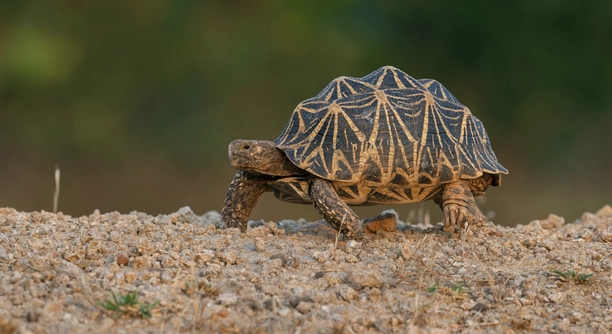
Maintaining clean and safe water for your Indian Star Tortoise is crucial for its health and well-being. Proper care of their habitat ensures that your tortoise remains happy and thrives in a safe environment.
The simplest way to keep your Indian Star Tortoise’s water clean and safe is by performing regular water changes and using filtration systems. Additionally, removing any waste and debris frequently will help maintain a clean environment.
There are several simple ways to improve the water quality for your tortoise. Following these steps will help you provide a healthier habitat for your beloved pet.
Regular Water Changes
To keep your tortoise’s water clean, the most important step is regular water changes. Make sure to replace the water in the tank every few days, depending on its size and the number of tortoises. This removes waste, bacteria, and debris that build up over time. It’s essential to keep the water fresh to prevent health problems.
Even with a filtration system, the water will need to be changed regularly. A simple practice is to remove about 50% of the water each time and replace it with fresh water. This keeps the water clean and safe without completely disturbing the environment your tortoise is used to.
Keep in mind that tortoises are sensitive to their water conditions. If their habitat becomes too dirty or polluted, it could lead to skin or shell issues. Regular water changes are the most effective way to ensure their well-being and prevent waterborne illnesses from developing.
Use a Good Filtration System
A reliable filtration system is another key element in maintaining clean water for your tortoise. A filter will help remove small particles, waste, and toxins that water changes alone can’t address. It’s important to choose a filter that suits the size of your tortoise’s tank.
A good filter will help to prevent water from becoming cloudy and keep harmful bacteria in check. Without a filter, it’s harder to maintain stable water conditions, especially in a small tank. Invest in a quality filter that matches the needs of your setup for the best results.
Remove Waste and Debris
Waste and debris can quickly dirty the water, making it unsafe for your tortoise. Regularly check the water for any uneaten food, feces, or plant matter. If you spot any, remove it immediately to prevent contamination.
Removing waste as soon as possible is essential because it prevents bacteria from growing in the water. Bacteria can cause diseases or infections, which can harm your tortoise. Use a small net or a siphon to carefully remove waste from the water. This simple task helps maintain a healthy habitat and promotes a clean, safe environment.
If you leave waste in the water too long, it can break down, making the water murky and smelly. Over time, this can lead to harmful conditions for your tortoise. By staying on top of waste removal, you can prevent these problems and keep your pet’s habitat clean and fresh.
Monitor Water Temperature
The temperature of the water plays a huge role in your tortoise’s health. Ideally, the water should be kept between 75°F and 85°F. Too cold or too warm water can lead to stress and health issues.
To maintain the right temperature, use a reliable water heater with a thermostat. You can also use a thermometer to check the water regularly to ensure it stays within the optimal range. Avoid extreme temperature changes, as they can shock your tortoise and impact its immune system. Keeping the water at a steady temperature also helps in maintaining overall well-being.
Heating the water can be particularly important during colder months when the room temperature may fluctuate. In colder environments, a water heater will ensure your tortoise stays comfortable. Make sure to choose a heater that is safe for use with reptiles to avoid accidents.
Use Proper Water Additives
Sometimes tap water contains chlorine, chloramine, or other chemicals that are harmful to your tortoise. Using water conditioners or dechlorinating agents can make the water safer for your pet. These additives neutralize harmful substances and keep the water clean and healthy.
Make sure to use water treatments designed specifically for reptiles. Adding these to your tortoise’s water regularly can help maintain its health. It’s especially important if you’re using tap water rather than filtered or bottled water. Always follow the instructions on the product to ensure proper usage.
Keep the Tank Covered
Covering the tank helps to reduce debris from falling into the water, which keeps it cleaner for longer. A lid also prevents your tortoise from climbing out of its habitat and keeps it safe.
Additionally, a lid can prevent evaporation, helping maintain the right water levels. Without it, you might find yourself constantly needing to top up the water, which can lead to changes in water quality over time. A well-fitting cover makes maintaining your tortoise’s tank easier.
FAQ
How often should I change my tortoise’s water?
You should change your tortoise’s water at least once a week. However, if the water becomes cloudy or dirty sooner, you may need to change it more frequently. If your tank is small or if there are more tortoises, water changes may be needed every few days to ensure cleanliness. Regular water changes prevent waste buildup, which can cause bacteria growth and affect your tortoise’s health.
Can I use tap water for my tortoise?
You can use tap water, but it’s essential to dechlorinate it first. Many tap water supplies contain chlorine or chloramine, which can harm your tortoise. Use a water conditioner or dechlorinator to remove these chemicals. Alternatively, you could use filtered or bottled water if you want to avoid the extra step of treating the water.
Do I need a water filter for my tortoise tank?
Yes, a water filter is highly recommended for maintaining clean water in your tortoise’s habitat. A filter helps remove waste, debris, and harmful chemicals, which can accumulate quickly. Choose a filter designed for the size of your tank, and make sure it can handle the type of waste produced by your tortoise. Regular maintenance of the filter is also necessary to ensure it works efficiently.
What type of heater should I use for the water?
For the water in your tortoise’s tank, use a submersible aquarium heater. These heaters are designed to safely warm the water and maintain a stable temperature. Make sure the heater is appropriate for the size of your tank and comes with a thermostat to regulate the water temperature. Avoid placing the heater too close to the tortoise to prevent burns.
How can I remove waste from the water easily?
A small fish net or siphon pump can make it easier to remove waste from your tortoise’s water. Fish nets are useful for scooping out uneaten food and debris, while a siphon pump can help you remove any waste that has settled at the bottom of the tank. It’s important to do this regularly to maintain a clean environment.
Is it necessary to add water conditioners to the tank?
Water conditioners are not always necessary, but they are helpful if you’re using tap water. They neutralize harmful chemicals like chlorine and chloramine, making the water safer for your tortoise. If you live in an area with highly chlorinated water, it’s a good idea to use a water conditioner. If you use filtered or bottled water, you may not need it.
How can I tell if the water is safe for my tortoise?
The water should be clear and free from any debris, odors, or cloudy appearance. If the water smells foul or has visible waste, it’s time to change it. You can also check the water temperature, which should be between 75°F and 85°F. If the temperature is too hot or too cold, your tortoise might feel stressed.
Can I use a regular aquarium filter for my tortoise?
A regular aquarium filter can work for a tortoise tank, but it must be chosen based on the size of the tank and the type of filtration needed. Tortoises tend to produce more waste than fish, so a stronger filter might be necessary. Look for a filter designed to handle larger amounts of debris and waste to ensure it works effectively.
Should I place my tortoise in the water often?
While tortoises are aquatic in nature, they should not be kept in water for extended periods. They should have access to water for drinking and occasional soaking, but they need a dry area to rest as well. Prolonged exposure to water can cause shell rot and other health issues. It’s important to give your tortoise a balanced environment with both water and land areas.
What’s the best way to maintain the right water temperature?
Use an aquarium thermometer to regularly monitor the water temperature. Keep the water between 75°F and 85°F to ensure your tortoise stays comfortable. If your home gets cold, consider using a submersible aquarium heater to maintain a steady temperature. Always check the temperature before placing your tortoise in the water.
Final Thoughts
Maintaining clean and safe water for your Indian Star Tortoise is crucial to its health and well-being. Tortoises rely on clean water for drinking and soaking, so it’s important to remove waste, perform regular water changes, and use a good filtration system. Without these practices, the water can quickly become contaminated, which could lead to health problems for your tortoise. Even small amounts of debris or bacteria can affect your pet, so staying on top of water cleanliness is essential. By paying attention to these details, you help ensure your tortoise stays healthy and comfortable.
Additionally, monitoring the water temperature and using water conditioners when necessary can make a big difference. The temperature of the water should stay between 75°F and 85°F, as extreme temperatures can cause stress and health issues for your tortoise. A water heater with a thermostat is an easy way to keep the temperature stable, especially in colder climates. Using dechlorinated water also helps avoid any harmful chemicals that could damage your tortoise’s health. These extra steps may seem small, but they go a long way in maintaining a safe and comfortable environment.
By following these steps, you’ll be able to create an environment where your tortoise can thrive. Regular water changes, proper filtration, waste removal, and temperature control all contribute to a healthy habitat. While these tasks may take a little time and effort, the benefits are worth it. A clean, safe environment will help your tortoise live a long, happy life. Keeping the water clean may seem like a lot of work at first, but once you establish a routine, it becomes much easier to manage.

Hello,
If you enjoy the content that we create, please consider saying a "Thank You!" by leaving a tip.
Every little bit helps us continue crafting quality advice that supports the health, happiness, and well-being of pets around the world, for pets of all shapes, sizes, and species.
We really appreciate the kindness and support that you show us!