
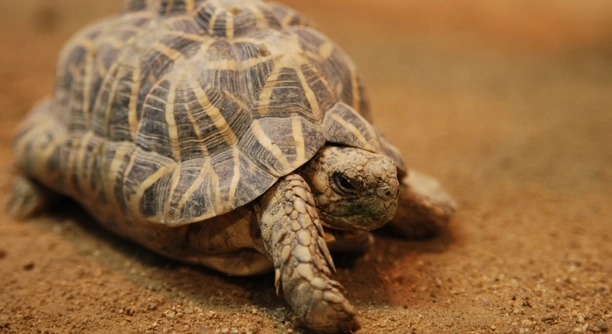
Introducing Indian Star Tortoises to a new tank can be a rewarding experience, but it’s important to ensure a smooth transition for their well-being. These fascinating reptiles have specific needs, and meeting them is crucial.
The key to successfully introducing an Indian Star Tortoise to a new tank lies in creating an environment that mimics its natural habitat. Focus on factors such as temperature, humidity, substrate, and hideaways to reduce stress and promote healthy acclimation.
By carefully setting up the new tank, you can help your tortoise adjust without unnecessary discomfort. Understanding the steps to create the right space will make a big difference. Keep reading to learn how to prepare.
1. Setting Up the Tank Properly
When setting up a tank for an Indian Star Tortoise, focus on providing the right conditions for comfort. Start by selecting a spacious tank; these tortoises need room to roam. A 40-gallon tank is a good minimum size for one adult tortoise. Ensure the tank is equipped with both a heat source and a UVB light. Indian Star Tortoises need heat to regulate their body temperature, and UVB light helps them metabolize calcium for healthy bone growth.
The tank should also include a moist area to mimic their natural environment. They require high humidity, around 60-80%. Adding a shallow water dish helps with hydration and allows your tortoise to soak when needed. Make sure the substrate is safe, such as coconut coir or organic topsoil, which will maintain humidity and allow them to burrow.
Keep the tank clean by removing waste and replacing bedding regularly. A proper setup will ensure your tortoise feels safe and comfortable as it adjusts.
2. Gradual Acclimation to the Tank
Once the tank is ready, it’s time to introduce your Indian Star Tortoise.
A slow introduction is important to avoid overwhelming them. Gently place your tortoise inside the tank, allowing it time to explore its new space. Monitor how they behave over the first few days to ensure they’re adjusting well. Keep the environment calm and quiet, as loud noises or sudden movements can stress them out.
3. Temperature and Humidity Control
Maintaining the right temperature and humidity is vital for your tortoise’s health. Keep the warm side of the tank between 85-90°F, and the cooler side around 75-80°F. Use a thermometer to monitor the temperature and ensure it’s consistent.
Humidity is just as important, so maintain it at 60-80%. You can achieve this by using a humidifier or regularly misting the tank with water. A shallow water dish also helps to increase humidity. Be careful not to let the tank get too dry, as it can lead to dehydration and other health issues.
Regularly check both temperature and humidity levels to ensure they remain stable. Adjust as necessary, especially during seasonal changes, as fluctuations can stress your tortoise. The right balance helps your tortoise stay healthy and comfortable, encouraging natural behaviors and a smoother transition into the new habitat.
4. Proper Lighting for Health
UVB lighting is essential for your tortoise’s well-being. It helps them synthesize vitamin D3, which is necessary for absorbing calcium and maintaining strong bones. Position the UVB light directly above the basking area to ensure your tortoise can get enough exposure.
Alongside UVB, a heat lamp should be placed to create a basking spot. The temperature of this area should range from 90-95°F. Your tortoise will bask under the light to regulate its body temperature. Be sure to turn off the lights at night to allow your tortoise to rest in a more natural, darker environment.
Maintain the lights properly by replacing them every six months, as their UVB output decreases over time, even if they still appear functional. This ensures that your tortoise gets the full benefit from its light sources.
5. Substrate and Tank Setup
Choose a substrate that retains moisture but is safe for your tortoise. Coconut coir or organic topsoil works well. Avoid gravel or sand, as these can be harmful if ingested. The substrate should be deep enough for your tortoise to burrow.
A properly chosen substrate creates a more natural environment for your tortoise. It helps with humidity control and allows for digging, which is a natural behavior. You should also include some hides or shelters where your tortoise can retreat when feeling stressed or tired.
The right substrate also helps with waste management. It absorbs waste and makes cleaning easier. Just remember to clean and replace the bedding regularly to avoid bacteria buildup.
6. Providing Hides and Enrichment
It’s important to provide hiding spaces where your tortoise can feel secure. These hideaways offer a sense of safety, reducing stress and encouraging natural behaviors. You can use pieces of wood, logs, or ceramic shelters.
Add some rocks or plants to create a more stimulating environment. Indian Star Tortoises enjoy exploring, and providing them with obstacles in their enclosure can keep them active and engaged. This helps with their physical and mental well-being. Regularly change the layout to keep their space interesting.
Tortoises can get bored in a plain environment, so give them plenty of space to explore.
FAQ
What should I feed my Indian Star Tortoise?
Indian Star Tortoises are primarily herbivores. Their diet should consist mainly of leafy greens such as dandelion greens, kale, and collard greens. You can also offer a variety of vegetables like squash, bell peppers, and carrots. Avoid feeding them high-oxalate foods like spinach and lettuce, as these can affect their calcium absorption. It’s essential to provide a balanced diet, so supplement with calcium powder once or twice a week to promote strong bones and shells.
How often should I feed my Indian Star Tortoise?
For adult tortoises, feeding should be done every other day. Hatchlings or young tortoises may require daily feedings due to their growth needs. It’s important to avoid overfeeding, as obesity can lead to health issues. Always remove any uneaten food after a few hours to prevent it from rotting and polluting the tank. Fresh water should be available at all times.
How do I know if my Indian Star Tortoise is healthy?
A healthy Indian Star Tortoise will have bright, clear eyes, a smooth, hard shell, and an active, curious demeanor. You should also notice steady growth and good appetite. If your tortoise is lethargic, has abnormal discharges, or seems to be in pain, it could be a sign of illness. A vet specializing in reptiles should be consulted if you notice any of these symptoms.
Can I keep more than one Indian Star Tortoise in the same tank?
It’s possible to keep multiple tortoises together, but it requires careful consideration. Overcrowding can cause stress and territorial issues. Male tortoises, in particular, may become aggressive toward each other. If you choose to house more than one, ensure the tank is large enough, and monitor their interactions closely. It’s best to introduce them in neutral spaces to avoid territorial disputes.
How do I keep my Indian Star Tortoise’s tank clean?
Regular cleaning is essential for maintaining a healthy environment. Remove any waste and leftover food daily. Change the water frequently to prevent bacteria growth. Once a week, replace the substrate and wash any tank accessories with reptile-safe cleaning products. Deep clean the tank monthly by washing it with mild soap and warm water, then drying thoroughly before replacing the substrate.
What kind of lighting does my Indian Star Tortoise need?
Your tortoise needs both UVB light and heat to thrive. UVB light helps them metabolize calcium and maintain healthy bones. Place the UVB light over the basking area and keep it on for 10-12 hours a day. Use a heat lamp to create a basking spot with temperatures between 90-95°F. Be sure to turn off the lights at night to mimic natural day-night cycles.
What temperature should the tank be?
The warm side of the tank should be kept between 85-90°F, while the cooler side should be around 75-80°F. This gradient allows your tortoise to regulate its body temperature. A heat lamp or ceramic heat emitter can help maintain the temperature. Use a thermometer to regularly check the tank’s temperature to ensure it stays consistent.
Is it okay to use a glass tank for my Indian Star Tortoise?
A glass tank can be used, but it’s important to make sure it provides enough space. Indian Star Tortoises need room to roam, so choose a tank that is at least 40 gallons for one adult tortoise. Glass tanks may require additional heating and humidity control since they can have trouble holding temperature and moisture. You can also consider using a wooden or plastic enclosure, which may be easier to maintain in terms of insulation.
How do I prevent my Indian Star Tortoise from escaping?
Tortoises are skilled at climbing, so make sure the sides of the tank are high enough to prevent escape. A 12-18 inch high barrier is usually sufficient. Ensure that the tank has a secure lid if you are using an open-top enclosure. If you have an outdoor enclosure, check that the sides are buried or have a barrier that prevents digging.
Can I let my Indian Star Tortoise roam outside?
You can let your tortoise roam outside, but only in a secure, controlled environment. Make sure the area is free from predators, and that the ground temperature is suitable. Avoid letting them roam in areas with pesticides or other chemicals. Always supervise your tortoise to prevent them from getting lost or into unsafe areas.
How long do Indian Star Tortoises live?
Indian Star Tortoises can live for decades with proper care. They typically live between 50 and 60 years, but some have been known to live longer. Their lifespan depends on factors such as diet, environment, and overall care. Ensuring they have a proper diet, suitable tank, and regular checkups will help them live a long and healthy life.
What should I do if my Indian Star Tortoise is not eating?
If your tortoise refuses to eat, first check the temperature and humidity levels in the tank. Stress from an unsuitable environment can lead to a loss of appetite. Make sure there are no changes in the tortoise’s surroundings that could cause stress. If it continues to refuse food, a visit to a reptile vet is recommended, as it could indicate an underlying health issue.
How do I handle my Indian Star Tortoise?
Handling your tortoise should be done sparingly, as they are not naturally inclined to interact with humans. When you do handle them, always be gentle and support their body properly. Hold them low to the ground to reduce the risk of injury, and never pick them up by the shell or tail. Frequent handling can cause stress, so limit it to necessary times such as during tank cleaning or health checks.
Do I need to provide supplements for my Indian Star Tortoise?
Yes, supplements are important to ensure your tortoise gets the necessary nutrients it may not get from its diet. Calcium powder should be sprinkled on food several times a week to promote strong bones and a healthy shell. A multivitamin supplement can also be used once or twice a month to ensure they are getting all the necessary vitamins.
Final Thoughts
Taking care of an Indian Star Tortoise involves providing the right environment, diet, and routine to ensure they stay healthy and comfortable. It starts with a spacious tank that mimics their natural habitat, complete with proper temperature, humidity, and lighting. Make sure your tortoise has enough space to explore and a safe place to hide when they feel stressed or need rest. The proper tank setup is key to helping your tortoise settle into their new home and thrive.
Diet plays a major role in keeping your tortoise healthy. Offering a variety of leafy greens and vegetables, while avoiding harmful foods, will keep them well-nourished. Don’t forget to supplement with calcium and vitamins to maintain strong bones and a healthy shell. Regular water and a clean tank are just as important to prevent any health issues. Overfeeding or improper feeding can lead to obesity, which can cause long-term problems. It’s important to find the right balance for their nutrition.
Lastly, be patient as your Indian Star Tortoise adjusts to its new home. While they are not as interactive as some pets, they enjoy a calm environment where they can explore and display their natural behaviors. Avoid constant handling to reduce stress, and provide the right care to allow your tortoise to live a long, healthy life. Keep monitoring their environment and make adjustments as needed to ensure everything stays suitable for their needs. With the right attention and care, your Indian Star Tortoise will settle in and become a fascinating, low-maintenance companion for many years.

Hello,
If you enjoy the content that we create, please consider saying a "Thank You!" by leaving a tip.
Every little bit helps us continue crafting quality advice that supports the health, happiness, and well-being of pets around the world, for pets of all shapes, sizes, and species.
We really appreciate the kindness and support that you show us!