
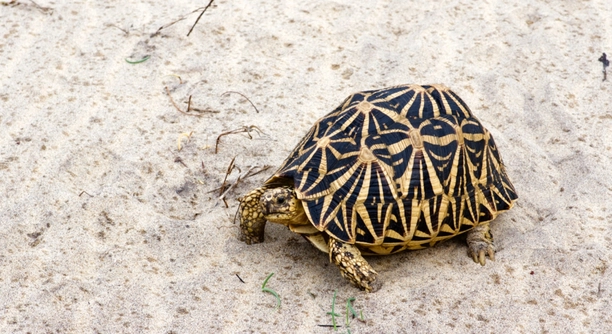
Sometimes, when observing your Indian Star Tortoise, you may notice that it spends more time resting on its back than usual. This unusual behavior can leave many tortoise owners puzzled and concerned about their pet’s health.
Your Indian Star Tortoise may be resting on its back due to various factors, such as improper habitat conditions, stress, or a health issue. In some cases, it might be an indication of an underlying medical problem, like weakness or discomfort.
Understanding why this happens is essential in keeping your tortoise comfortable and healthy. Knowing the signs and how to address them can make a difference in its well-being.
Common Reasons for Tortoises Resting on Their Back
Tortoises resting on their back can sometimes signal stress or discomfort. It could be a sign that something in their environment isn’t quite right. Stress may stem from factors like temperature fluctuations, improper lighting, or even changes in their daily routine. It’s important to ensure that your tortoise’s habitat is stable and free from sudden disruptions. Additionally, your tortoise may be trying to adjust to its surroundings. If it continues to rest on its back often, it may indicate that it’s feeling vulnerable or weak.
Stress can manifest itself in many ways, including physical signs like flipping over. If your tortoise spends too much time resting on its back, it could be struggling with its living conditions or feeling overwhelmed.
You should also keep an eye on the habitat’s temperature and humidity. These are key factors for your tortoise’s comfort and well-being. Without the right balance, your tortoise may become lethargic or stressed, leading to unusual behaviors like resting on its back. Ensuring the correct setup is essential for their health.
Health Problems That Might Be Involved
Health issues can play a significant role in your tortoise’s behavior. Weakness, pain, or injury could cause it to lie on its back for longer periods. A common problem is metabolic bone disease, which weakens the bones and can lead to unusual postures. If you suspect health issues, consulting a vet is crucial.
When a tortoise flips on its back and stays there, it may not have the strength or ability to flip back over. This behavior is sometimes linked to nutritional deficiencies, which can lead to muscle weakness or other serious conditions. Regular check-ups will help catch any potential health issues early.
Improper Lighting and Temperature
The lighting and temperature in your tortoise’s habitat are critical for its health. If either is off, your tortoise may feel stressed or unwell, which can result in it flipping onto its back. Tortoises are cold-blooded, meaning they rely on their environment to regulate their body temperature. If they’re too cold, they may become lethargic and more likely to stay on their back. On the other hand, if the temperature is too high, it may cause stress and fatigue.
Proper lighting is just as important as temperature. UVB light helps your tortoise produce vitamin D3, which is vital for calcium absorption and bone health. Without sufficient UVB lighting, your tortoise can become weak and may struggle to maintain a healthy posture. Make sure to provide both the right temperature and lighting to create a balanced environment for your tortoise.
Regularly check the temperature of your tortoise’s enclosure to ensure it falls within the ideal range, usually between 85-90°F (29-32°C) during the day, with a cooler area for rest. Invest in a reliable thermometer and UVB light to keep your tortoise active and comfortable.
Stress from Overhandling
Overhandling can make your tortoise feel anxious, leading to behaviors like resting on its back. While it’s natural to want to interact with your pet, tortoises are generally solitary and not as interactive as some other pets. Handling them too often or too roughly can cause unnecessary stress. If your tortoise flips over after handling, it may be a sign that it’s overwhelmed.
To reduce stress, make sure to allow your tortoise time to settle into its habitat without constant handling. It’s important to observe your tortoise and understand when it’s in a relaxed state. Providing a calm environment will help it feel safe and reduce its need to retreat to its back for comfort.
Tortoises can be skittish, especially when not used to frequent handling. They might become stressed when placed in unfamiliar situations or touched too much. Instead of forcing interactions, let your tortoise engage with you at its own pace. This will help build trust and reduce stress-related behaviors.
Inadequate Space in the Enclosure
An overcrowded or small enclosure can limit your tortoise’s movement, causing it to feel stressed or uncomfortable. A cramped space can also make it harder for your tortoise to flip itself over if it ends up on its back. It may not have the space to move freely or escape stressors.
Your tortoise needs enough room to explore, stretch, and bask without feeling confined. A lack of space could cause physical and emotional discomfort, leading to abnormal resting positions. Make sure the enclosure is spacious enough for your tortoise to feel secure and free to move around.
Lack of Proper Diet
Your tortoise’s diet plays a big role in its overall health and ability to function. If it’s not getting the proper nutrients, it may become weak, which can lead to resting on its back. Deficiencies in calcium, vitamin D, or other nutrients could impact its muscle strength and bone health.
Make sure to offer a balanced diet that includes plenty of leafy greens, and supplement with calcium and vitamin D if needed. Poor nutrition can also make your tortoise more susceptible to other health issues that may cause it to spend more time on its back.
FAQ
Why does my tortoise keep flipping over?
Your tortoise may keep flipping over due to weakness, stress, or discomfort in its environment. If the habitat isn’t ideal—whether that’s temperature, humidity, or lighting—it may cause the tortoise to become lethargic and not be able to flip itself back over. Additionally, health problems like metabolic bone disease or muscle weakness can cause this behavior. Ensure the enclosure has the correct setup and monitor for any signs of illness.
How can I stop my tortoise from flipping over?
The first step is to create an optimal living environment with the right temperature and lighting. Make sure the tortoise’s enclosure is spacious enough for it to move freely. If your tortoise continues to flip, try reducing handling and avoid placing it in stressful situations. Keep an eye on its diet and health, as proper nutrition plays a role in strength. If the problem persists, consult a vet.
Can I help my tortoise flip back over?
Yes, if you notice your tortoise stuck on its back, you can gently help it flip over. Be cautious and avoid any sudden movements that might startle or injure it. Once it is upright, make sure its environment is safe and free from hazards that could lead to further flipping.
Is my tortoise sick if it flips on its back?
Flipping over occasionally is not always a sign of sickness. However, if your tortoise spends a lot of time on its back or struggles to right itself, it could be an indication of an underlying health problem. Weakness, injury, or metabolic issues are common causes. It’s important to observe its behavior closely and seek advice from a vet if you notice any concerning changes.
How often should I check my tortoise’s habitat?
It’s a good idea to check your tortoise’s habitat daily to ensure everything is in order. Make sure the temperature and humidity levels are appropriate, and check the lighting to ensure the UVB light is working. Regular cleaning of the enclosure is important, too, as a dirty environment can cause stress.
What temperature should my tortoise’s enclosure be?
The temperature in the tortoise’s enclosure should typically be around 85-90°F (29-32°C) during the day, with a cooler area to rest in. At night, it can drop slightly, but should remain above 70°F (21°C). Ensure that there are heat sources that your tortoise can move closer to if it gets too cold.
Can I use a heat lamp for my tortoise?
Yes, a heat lamp is essential for providing warmth in your tortoise’s enclosure. Use a basking light to create a warm area where your tortoise can regulate its body temperature. Make sure the lamp is the right strength and positioned safely to avoid overheating or burns.
How can I ensure my tortoise is getting the right nutrients?
A balanced diet is crucial for your tortoise’s health. Feed it a variety of dark, leafy greens such as collard greens, dandelion greens, and kale. Offer occasional fruits like berries and melons as treats. Make sure to provide calcium supplements to promote healthy bone development, especially if the tortoise isn’t getting enough from its diet. If unsure, consult a vet for dietary guidance.
What should I do if my tortoise seems weak?
If your tortoise appears weak or unable to move properly, it could be a sign of a health issue. Check the diet to ensure it’s balanced and appropriate for its species. Environmental factors, like lighting and temperature, should also be optimized. If weakness persists, it’s best to consult a vet to rule out conditions like metabolic bone disease or other underlying problems.
Can my tortoise live alone?
Tortoises are generally solitary animals and are fine living alone. They don’t require constant companionship and often prefer their own space. However, they still need a clean, safe, and enriching environment. Avoid housing multiple tortoises together, as they may become territorial or stressed.
How long should I handle my tortoise each day?
Handling should be limited, especially if your tortoise seems to get stressed easily. A few short sessions of gentle handling throughout the week are sufficient. Overhandling can cause anxiety, which might result in behaviors like flipping over or retreating into its shell. Let your tortoise engage with you on its own terms.
Final Thoughts
If your Indian Star Tortoise is resting on its back more often than usual, it’s important to pay attention to the underlying causes. While occasional flipping over might not be a serious concern, frequent resting in this position could be a sign that something is wrong. The most common reasons for this behavior are environmental stressors, health issues, or poor diet. Ensuring that your tortoise has a comfortable and stable habitat with the proper lighting, temperature, and space can make a significant difference in preventing this behavior. Stress can come from overhandling or an enclosure that’s too small, so giving your tortoise room to move around is essential.
Diet also plays a major role in your tortoise’s overall health. Make sure it’s getting a well-balanced mix of greens, fruits, and the right amount of supplements. Calcium and vitamin D3 are important to prevent bone weakness, which could lead to problems with posture and mobility. Weak muscles or bones can cause your tortoise to have difficulty righting itself when flipped over, making it even more likely to rest on its back. You should always check your tortoise’s behavior for any signs of illness, as early detection of a health problem is important for recovery. A visit to a vet may be necessary if you notice signs of weakness, discomfort, or irregular behavior.
In the end, maintaining a stable and healthy environment for your tortoise is key to preventing frequent flipping over. Keep the enclosure clean, ensure that the temperature and lighting are suitable, and limit stress. Offering your tortoise a well-balanced diet and ensuring its habitat is safe and comfortable will help it thrive. If you follow these guidelines and monitor your tortoise’s behavior closely, you’ll be able to provide the best care and ensure your tortoise is happy and healthy.

Hello,
If you enjoy the content that we create, please consider saying a "Thank You!" by leaving a tip.
Every little bit helps us continue crafting quality advice that supports the health, happiness, and well-being of pets around the world, for pets of all shapes, sizes, and species.
We really appreciate the kindness and support that you show us!