
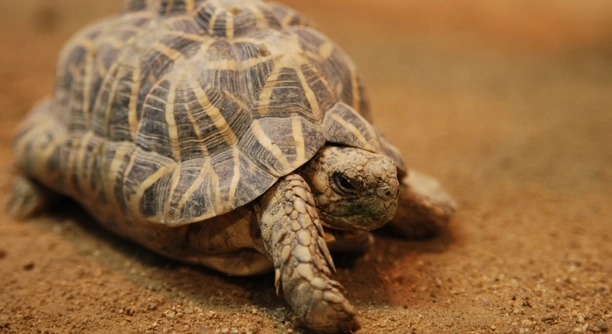
Indian Star Tortoises are fascinating creatures, but observing unusual behaviors like kicking their substrate can be concerning for owners. Understanding these actions helps ensure they stay healthy and comfortable in their environments.
The main reason your Indian Star Tortoise is kicking its substrate could be related to stress, discomfort, or natural instinct. This behavior is often a response to an improper habitat setup, such as substrate that is too loose or too dry.
Recognizing the causes behind this action can help you create a better habitat, leading to a more content and active tortoise.
Understanding the Reasons Behind Substrate-Kicking Behavior
Your Indian Star Tortoise might start kicking its substrate for several reasons. One of the main causes is a desire to dig or burrow. Tortoises naturally dig to search for food, create a burrow for shelter, or find cooler spots when the environment feels too warm. They are instinctively drawn to behaviors like this to meet their needs. However, it’s important to distinguish whether the behavior is related to stress or a natural need to dig. If the substrate is too shallow or not ideal for digging, your tortoise might get frustrated and act out.
If the substrate is too wet or too dry, it can cause discomfort, leading to this behavior. Additionally, poor temperature regulation in the habitat may also result in the tortoise acting out. Proper humidity, temperature, and substrate depth are key factors in preventing this behavior. Ensuring your tortoise has enough space to move freely and dig naturally will help avoid unnecessary stress.
Adjusting Your Tortoise’s Habitat
Making small adjustments to your tortoise’s habitat can make a big difference. Ensure there is plenty of room to roam and a deeper layer of substrate to dig through.
Substrate quality is essential in providing a comfortable and enriching environment. You can use coconut coir, organic topsoil, or a mix of both to create a habitat more conducive to natural behavior. Avoid using sand or fine particles, as they can be uncomfortable and cause health issues. Regularly monitor humidity and temperature levels to maintain an optimal environment for your tortoise. This not only reduces substrate-kicking but also promotes a happier, healthier pet.
Substrate Quality Matters
The type of substrate you use can greatly affect your tortoise’s behavior. It should be easy for them to dig in without being too compact or too loose.
A mix of coconut coir and organic soil is ideal because it retains moisture while allowing your tortoise to dig comfortably. Ensure the substrate is deep enough to accommodate natural behaviors, and keep it slightly moist to maintain humidity. Avoid substrates like sand, which can be too dry or cause respiratory issues. Regularly change out any soiled portions to keep the environment fresh and safe.
Stress-Inducing Factors
Stress is another major reason your tortoise might be kicking its substrate. Tortoises thrive in peaceful, stable environments, and anything that disrupts this balance can cause anxiety.
Overcrowding, loud noises, or sudden changes in the habitat can lead to behavior like substrate-kicking. Ensure your tortoise has its own space with enough room to move freely. A change in temperature or humidity can also stress them out, so make sure the enclosure is properly set up. If your tortoise starts to act out, take a closer look at its environment and make adjustments as needed.
Temperature and Humidity Levels
Incorrect temperature and humidity can lead to unusual behavior in your tortoise. Keep their enclosure at the right temperature and humidity for a comfortable living space.
Temperature should be consistent, with a basking spot of about 90°F and a cooler side around 75°F. Humidity levels should be kept at around 50-60% for Indian Star Tortoises. If conditions fluctuate, it can lead to stress, causing your tortoise to kick its substrate. Ensure you’re using a reliable thermometer and hygrometer to maintain proper levels.
Natural Instinct to Burrow
Indian Star Tortoises naturally dig and burrow in the wild to find food or create shelter. If the substrate is too thin or not suitable for digging, your tortoise might get frustrated.
Providing an environment with enough depth and proper texture encourages these natural instincts. Burrowing is also essential for temperature regulation, as your tortoise may seek cooler or warmer spots underground. It’s important to offer this opportunity within the enclosure. Having a deep enough substrate allows your tortoise to act on these instincts without causing distress.
FAQ
Why does my Indian Star Tortoise kick its substrate?
Tortoises may kick their substrate due to stress, discomfort, or natural instincts to dig. Factors such as improper habitat conditions—like substrate that’s too dry or shallow, or incorrect temperature—can cause this behavior. Sometimes it’s just their way of expressing frustration or trying to find a better spot in their enclosure.
Can the type of substrate cause this behavior?
Yes, the type of substrate plays a significant role. Substrates that are too compact or too loose can cause your tortoise discomfort. It’s best to use a mix of coconut coir and organic soil, which allows them to dig while also retaining proper moisture levels. Avoid sand, which is not ideal for tortoises.
How deep should the substrate be for my tortoise?
The substrate should be deep enough for your tortoise to dig comfortably. At least 3 to 4 inches of substrate depth is recommended, but more may be necessary depending on your tortoise’s size and digging habits. This allows them to perform natural behaviors like burrowing, which helps with both comfort and temperature regulation.
What happens if the substrate is too dry or too wet?
If the substrate is too dry, your tortoise may become stressed, and it may cause dehydration. On the other hand, too much moisture can lead to an environment that promotes bacteria or mold growth, which can affect your tortoise’s health. The ideal moisture level should feel slightly damp, but not soggy.
Could the temperature affect the kicking behavior?
Yes, temperature plays a crucial role in your tortoise’s comfort. If the basking area is too hot or too cold, your tortoise might react by kicking or digging to try to regulate its body temperature. Ensure there’s a gradient in temperature with a basking area around 90°F and cooler areas between 75-80°F.
Does humidity impact this behavior?
Humidity is another key factor. Indian Star Tortoises require a moderate level of humidity, around 50-60%. If the humidity is too low, your tortoise may become uncomfortable and kick or dig to alleviate stress. On the other hand, too much moisture can lead to health problems like shell rot, so it’s important to keep humidity balanced.
Is my tortoise trying to escape when it kicks its substrate?
Not necessarily. While some tortoises may kick or dig when trying to escape, the kicking behavior usually stems from environmental discomfort. If your tortoise is consistently kicking and seems like it’s attempting to escape, it could be a sign that its habitat needs improvement.
How often should I change the substrate?
It’s important to regularly spot clean your tortoise’s enclosure. Remove any soiled substrate, and replace it as needed to maintain cleanliness. Full substrate changes should be done every 4 to 6 weeks, but this depends on the size of your enclosure and how often your tortoise soils the area.
Can stress from handling cause this behavior?
Yes, handling your tortoise too much or too roughly can lead to stress. If your tortoise is kicked back into a corner or handled improperly, it may show signs of anxiety, including kicking or digging its substrate. Always handle your tortoise gently and respect its need for quiet time.
How can I tell if my tortoise is stressed?
Signs of stress in a tortoise can include excessive digging or kicking, lethargy, refusal to eat, and hiding more than usual. If you notice your tortoise engaging in these behaviors frequently, take a closer look at its environment and ensure it’s stable and comfortable.
What can I do to reduce substrate-kicking?
Start by ensuring the enclosure is appropriately sized and well-maintained. The temperature, humidity, and substrate should all be adjusted to meet the needs of your tortoise. Providing enrichment, such as hiding places or a more suitable substrate for digging, can also help alleviate frustration and reduce substrate-kicking behavior.
Should I be worried if my tortoise keeps kicking its substrate?
Frequent kicking can be a sign that something in the environment isn’t quite right, but it’s not necessarily a cause for panic. First, examine the enclosure setup for any issues with temperature, humidity, or substrate. If the behavior continues, consult with a veterinarian experienced with reptiles to ensure your tortoise’s health isn’t being compromised.
Does my tortoise need more space?
If your tortoise seems stressed or kicks its substrate frequently, it could be a sign that it needs more space. Tortoises require ample room to roam and explore. An overcrowded or cramped enclosure can cause frustration, leading to behaviors like kicking and digging. Consider upgrading its living space to meet its needs.
What are the signs of an unhealthy substrate?
An unhealthy substrate can become moldy or overly compacted, which can harm your tortoise. Check for a musty smell, overly wet or dry spots, and any signs of mold. If any of these signs are present, it’s time to replace the substrate and clean the area thoroughly.
Can other animals in the enclosure cause stress to my tortoise?
Yes, if there are other animals in the same enclosure, they could be causing stress for your tortoise. Tortoises prefer solitude or a very controlled social environment. If there’s competition for food, space, or territory, it could trigger anxiety and behaviors like substrate-kicking. Consider separating the animals to see if the behavior improves.
Final Thoughts
Understanding why your Indian Star Tortoise kicks its substrate is important for providing the best possible care. The behavior can stem from several factors, including stress, environmental discomfort, or natural instincts. It’s essential to assess the temperature, humidity, and substrate in your tortoise’s enclosure to ensure that all conditions are met for their well-being. By maintaining the right balance in these areas, you can significantly reduce the chances of this behavior continuing. Remember that the Indian Star Tortoise is a creature of habit, and any sudden change in its environment can cause stress.
Additionally, providing enough space for your tortoise to roam freely can make a big difference. If the enclosure is too small, your tortoise might feel confined and engage in digging or kicking as a way to express frustration. Giving your tortoise a larger, more enriched space to explore and dig naturally can help reduce the need for this behavior. If you notice your tortoise kicking constantly, it could be a signal that they need more room or a more suitable habitat. Creating an environment that encourages natural behaviors like burrowing can make your tortoise feel more comfortable and secure.
Lastly, it’s important to stay observant and proactive when caring for your tortoise. Any unusual behavior, like excessive substrate kicking, should be addressed promptly to ensure your tortoise remains happy and healthy. By making small adjustments to their environment and being mindful of their needs, you can create a stress-free space where your tortoise can thrive. If problems persist despite your efforts, it might be worth consulting a vet who specializes in reptiles to rule out any underlying health issues. Taking these steps will help provide your tortoise with the best care possible and contribute to its long-term health.

Hello,
If you enjoy the content that we create, please consider saying a "Thank You!" by leaving a tip.
Every little bit helps us continue crafting quality advice that supports the health, happiness, and well-being of pets around the world, for pets of all shapes, sizes, and species.
We really appreciate the kindness and support that you show us!