
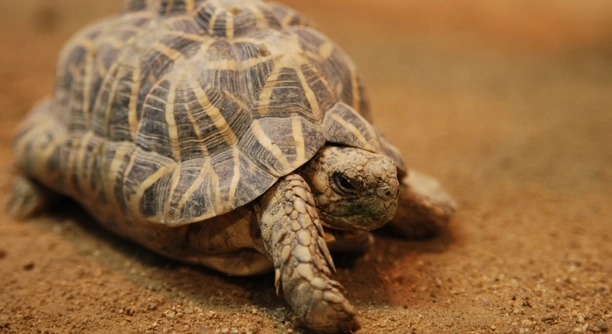
Indian Star Tortoises are known for their unique behavior, and one habit that many owners notice is their tendency to eat sand. While this may seem strange, it’s actually more common than you might think.
The primary reason your Indian Star Tortoise may be eating sand is due to nutritional deficiencies, particularly a lack of essential minerals and fiber in their diet. Sand consumption can sometimes indicate hunger for specific nutrients that aren’t being met through their usual food.
By understanding why this happens, you can make better choices to keep your tortoise healthy. With proper care and diet adjustments, you can address this behavior effectively.
Nutritional Deficiencies: The Main Reason
One of the most common reasons your Indian Star Tortoise might eat sand is a lack of essential nutrients in its diet. These tortoises require a balanced mix of fiber, calcium, and other minerals. If their food doesn’t provide enough of these nutrients, they may seek alternative sources. Sand might seem like an easy option to fill this gap, but it’s not a healthy solution. Poor diet and an imbalance in their food intake can lead to such behavior.
Your tortoise may need more calcium-rich foods like dark leafy greens or supplement powders. It’s important to offer a variety of foods to avoid nutrient imbalances that might push them to consume sand.
Make sure to adjust their meals and check their feeding routine. Offering more variety in their diet can help address these issues, reducing their desire for non-food items. Keeping your tortoise on a proper diet is essential for their long-term health.
Stress and Boredom
Stress and boredom can also drive your Indian Star Tortoise to eat sand. When they don’t have enough stimulation or space to roam, they may resort to this behavior as a way to pass the time.
To avoid this, try adding new objects for your tortoise to explore or enriching their environment with plants or hiding spots. This way, they’ll have something interesting to focus on, reducing their urge to eat sand.
Digestive Issues
If your tortoise isn’t digesting food properly, it might start eating sand in an attempt to ease its discomfort. Indigestion or issues with their gut can lead to abnormal behavior like sand consumption. Poor digestion might stem from feeding the wrong foods or from not providing enough hydration.
To fix this, ensure your tortoise gets the proper amount of fiber and water in its diet. If your tortoise has digestive issues, try offering foods that promote digestion, such as soft vegetables. Providing more hydration will also help with their digestive health, preventing them from eating non-food items like sand.
Regularly check your tortoise’s diet and overall health. If you notice any signs of digestive distress, consult with a vet. Ensuring their digestive system is functioning well can stop them from using sand as a way to ease discomfort.
Mating Behavior
Sometimes, tortoises eat sand due to mating-related behavior. During the breeding season, male tortoises might show signs of stress or restlessness, which can lead to unusual actions like sand consumption. This is a common response to the hormones triggered during this time.
Female tortoises may also engage in sand-eating behavior, especially if they’re feeling stressed or if their environment doesn’t provide enough privacy. If your tortoise is experiencing these hormonal shifts, creating a more comfortable and private space can help calm them. You may notice a reduction in sand-eating once they feel safe and secure.
It’s important to keep an eye on their surroundings during the breeding season. Providing them with more hiding spots or adjusting the temperature can ease the stress and prevent unnecessary behaviors like eating sand.
Dehydration
Dehydration can also lead to sand consumption in Indian Star Tortoises. When they’re not getting enough water, they may resort to eating sand in an attempt to relieve discomfort. This is especially common in dry or hot environments.
Make sure your tortoise has constant access to clean water. If needed, you can mist their enclosure to add moisture, especially during hot weather. Dehydration is preventable with proper care, so always check their water levels and hydration status.
Environmental Factors
Changes in temperature or humidity can make your tortoise uncomfortable, leading to sand-eating. This behavior might be a reaction to their surroundings becoming less favorable for their needs.
Adjust their environment by maintaining a stable temperature and humidity level. Ensure their basking area is appropriately heated and that they have access to a cooler, shaded spot. Keeping their habitat balanced will help reduce unnecessary behaviors.
FAQ
Why does my Indian Star Tortoise eat sand?
There are several reasons your Indian Star Tortoise may eat sand. It could be due to a nutritional deficiency, dehydration, stress, or even digestive problems. Tortoises often eat sand when they’re not getting enough fiber, calcium, or other essential minerals from their food. If they’re dehydrated or stressed, they might also engage in this behavior. Digestive issues or environmental factors such as temperature or humidity can also play a role.
What can I do to stop my tortoise from eating sand?
To stop your tortoise from eating sand, ensure it has a balanced diet with plenty of fiber and calcium. Include dark leafy greens, hay, and other appropriate foods in their meals. Make sure they have constant access to fresh water and maintain the correct temperature and humidity levels in their habitat. You can also try adding environmental enrichment, such as hiding spots or objects to explore, to reduce stress. If the behavior continues, consult a vet to rule out any health issues.
Is eating sand harmful to my tortoise?
Yes, eating sand can be harmful to your tortoise. Sand can lead to impaction, where the digestive system becomes blocked, causing pain and potentially serious health issues. It can also cause abrasions in their digestive tract. If your tortoise eats sand regularly, it’s important to address the underlying cause of the behavior. Seek professional advice if you’re concerned about your tortoise’s health.
How do I know if my tortoise is dehydrated?
Signs of dehydration in your tortoise include a dry or sunken nose, a lack of activity, and a loss of appetite. The skin may also appear wrinkled or loose. If your tortoise isn’t drinking water regularly or you live in a hot or dry climate, dehydration is a likely concern. Make sure to provide fresh water daily and mist the habitat if necessary to keep them hydrated.
Can stress cause my tortoise to eat sand?
Yes, stress is a common cause of sand-eating behavior in tortoises. Stress can come from changes in their environment, lack of space, or even the presence of other animals. Tortoises are sensitive to their surroundings, and if they feel threatened or uncomfortable, they may resort to unusual behaviors like eating sand. Reducing stress by providing a stable, calm environment can help prevent this.
How can I tell if my tortoise is stressed?
Signs of stress in your tortoise include pacing, hiding, and loss of appetite. They may also become more aggressive or withdrawn. If your tortoise is constantly digging, trying to escape its enclosure, or showing other signs of distress, it’s likely stressed. Reducing overcrowding and ensuring a comfortable, safe environment can help ease their stress.
What temperature and humidity levels should I maintain for my Indian Star Tortoise?
Indian Star Tortoises prefer a temperature range of 85-95°F (29-35°C) during the day, with a cooler area of about 75°F (24°C). At night, temperatures should drop to around 70°F (21°C). The humidity level should be kept around 50-60%. These levels will help mimic their natural habitat and reduce stress.
Can poor diet cause my tortoise to eat sand?
Yes, a poor diet can cause your tortoise to eat sand. If their food lacks the necessary nutrients like fiber, calcium, and other minerals, they may eat sand to compensate. Tortoises need a variety of vegetables, leafy greens, and grasses to stay healthy. Ensure they get enough nutrition to prevent this behavior.
What should I feed my Indian Star Tortoise?
Your Indian Star Tortoise needs a diet rich in fiber and low in protein. Offer a variety of leafy greens like dandelion greens, collard greens, and mustard greens. You can also provide hay, grasses, and vegetables such as squash and cucumber. Avoid feeding them high-protein foods like meat or dairy, as this can cause health issues.
How much water does my tortoise need?
Your tortoise needs a constant supply of fresh water. They may not drink a lot at once, but having access to water at all times is essential. Some tortoises also get moisture from the vegetables and fruits in their diet, so it’s important to ensure they’re properly hydrated through both drinking and eating.
Should I worry if my tortoise occasionally eats a small amount of sand?
Occasionally eating a small amount of sand is not usually a problem, but it’s important to address the cause of the behavior. If it’s happening often, it could indicate a nutritional deficiency or another underlying issue. Regularly monitor your tortoise’s eating habits and health to ensure they’re getting the proper nutrition.
How can I tell if my tortoise has eaten too much sand?
Signs that your tortoise may have eaten too much sand include bloating, lethargy, and a loss of appetite. If you notice any of these symptoms, consult a vet immediately. Eating too much sand can lead to impaction or other digestive problems, which can be serious if left untreated.
In conclusion, if your Indian Star Tortoise is eating sand, it’s important to look at the potential causes and address them quickly. The behavior often points to something missing in their diet, such as essential minerals or hydration. It could also be linked to stress, boredom, or an environmental factor like the temperature or humidity in their enclosure. Identifying the root cause will help you make the right changes and prevent further issues.
Keeping your tortoise healthy and happy starts with providing them a balanced diet, clean water, and a comfortable living space. Make sure their environment mimics what they would experience in the wild as much as possible, with appropriate temperature, humidity, and room to explore. Environmental enrichment can go a long way in keeping them entertained and reducing stress, which in turn can help with stopping behaviors like eating sand. Proper care and attention to their needs will help prevent unhealthy habits from developing.
If you’re unsure about the cause or if the behavior persists despite adjustments to diet and environment, it’s always a good idea to consult a veterinarian. They can help ensure there are no underlying health issues and provide specific advice tailored to your tortoise. Regular check-ups can catch potential problems early and give you peace of mind that your tortoise is on the right track. With the proper care, your Indian Star Tortoise can thrive and live a long, healthy life.

Hello,
If you enjoy the content that we create, please consider saying a "Thank You!" by leaving a tip.
Every little bit helps us continue crafting quality advice that supports the health, happiness, and well-being of pets around the world, for pets of all shapes, sizes, and species.
We really appreciate the kindness and support that you show us!