
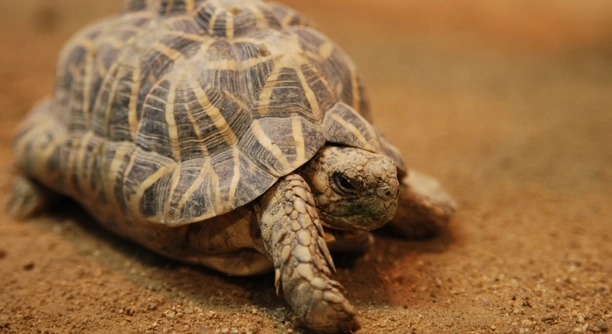
Maintaining the right UVB exposure for your Indian Star Tortoise is crucial for its overall health and well-being. This article will cover simple tips and important factors to help you provide the optimal UVB lighting for your tortoise.
Proper UVB exposure is essential for your Indian Star Tortoise’s shell development, calcium absorption, and immune system. Ensuring adequate UVB light is crucial for preventing health issues such as metabolic bone disease and other deficiencies.
Understanding the factors that influence UVB exposure is key to keeping your tortoise healthy and active. These tips will help you manage light, distance, and duration effectively.
Choose the Right UVB Bulb
When selecting a UVB bulb for your Indian Star Tortoise, it’s essential to pick one designed for reptiles. Look for a bulb that emits UVB rays in the 10-12% range. This is the optimal level for most tortoises, providing them with the necessary UVB to synthesize vitamin D3 and properly absorb calcium. There are different types of UVB bulbs, such as fluorescent and mercury vapor bulbs, each with varying degrees of UVB output. Fluorescent bulbs are affordable but need to be replaced regularly, while mercury vapor bulbs last longer and provide both UVB and heat.
It’s essential to consider the size of your tortoise’s enclosure when selecting the bulb. Larger enclosures require stronger UVB bulbs to ensure adequate light reaches your tortoise. Choose the right wattage to match the size of the habitat.
Besides choosing the right bulb, position it correctly to ensure it covers the area where your tortoise spends most of its time. This ensures that your tortoise has access to the right UVB levels for a healthy lifestyle.
Position the UVB Light Correctly
The placement of the UVB light is just as important as the bulb itself.
The light should be placed 8 to 12 inches above your tortoise’s basking spot for maximum effectiveness. Make sure the light is not obstructed by any objects or excessive bedding. Keep in mind that UVB strength decreases with distance, so adjusting the light height can make a big difference.
An optimal basking area should also have a temperature gradient that allows your tortoise to regulate its body temperature. With a properly placed UVB light, your tortoise can benefit from both heat and UVB exposure, improving its overall health.
Monitor the UVB Light Duration
Maintaining the proper duration of UVB exposure is critical for your tortoise’s health. Aim for 10-12 hours of UVB light each day, which mimics the natural sunlight cycle. This will help your tortoise absorb calcium and prevent vitamin D3 deficiency.
Setting up a timer can simplify this process, ensuring your tortoise gets consistent exposure. Avoid leaving the UVB light on for too long or too short a time, as this can lead to health issues. If possible, adjust the light schedule to reflect natural day-night cycles for a more natural environment.
Remember to turn off the UVB light at night to allow your tortoise to rest in darkness. This helps regulate their circadian rhythm and encourages healthy sleeping patterns.
Replace UVB Bulbs Regularly
UVB bulbs lose their effectiveness over time, even if they still appear to be working.
Replace UVB bulbs every 6 to 12 months, depending on the type. Fluorescent bulbs typically lose their UVB output after about 6 months, while mercury vapor bulbs last longer but still need replacing yearly.
Regular replacement ensures your tortoise receives the proper amount of UVB light. If you’re unsure whether your bulb is still providing adequate UVB, using a UV meter can help you measure the light output. Keeping track of bulb replacement will help avoid deficiencies and related health problems.
Avoid Overexposure to UVB
Too much UVB can harm your tortoise, leading to sunburn or other health issues.
Ensure your tortoise has access to shade if they feel the need to escape direct UVB exposure. This gives them the ability to regulate their exposure throughout the day, avoiding excessive UVB.
Be mindful of both the intensity and duration of UVB exposure. While sunlight can be beneficial, too much can cause burns and discomfort.
Adjust UVB Light as Your Tortoise Grows
As your Indian Star Tortoise matures, it’s important to adjust the UVB lighting to meet their changing needs.
Young tortoises require more UVB for growth, while adults may need less direct light. Keep an eye on their activity levels and adjust the distance of the UVB light to suit their size and age.
This ensures your tortoise always gets the right amount of UVB exposure for healthy growth.
Use Natural Sunlight When Possible
Natural sunlight is an excellent source of UVB.
If possible, allow your tortoise to spend time outdoors in a safe, controlled environment. Ensure they have access to both shade and sunlight, so they can regulate their exposure. Always supervise them to avoid dangers such as predators or extreme weather.
FAQ
How can I tell if my tortoise is getting enough UVB exposure?
If your Indian Star Tortoise is getting the right amount of UVB, you should see signs of good health, including active behavior, proper shell growth, and consistent eating habits. A lack of UVB exposure can result in lethargy, shell deformities, or even metabolic bone disease. You can also use a UV meter to check if the UVB light is providing sufficient radiation at the proper distance. Regularly monitoring your tortoise’s behavior and appearance is a good way to gauge their UVB needs.
How far should the UVB light be from my tortoise?
The UVB light should be placed 8 to 12 inches above your tortoise’s basking area. This range ensures that your tortoise gets the right amount of UVB exposure without risking burns or insufficient light. Keep in mind that the distance may vary depending on the strength of the UVB bulb you’re using. Always check the manufacturer’s guidelines for specific recommendations regarding placement.
Can I use a regular light bulb instead of a UVB bulb?
Regular light bulbs do not emit UVB rays and should not be used in place of a UVB bulb. UVB is essential for calcium absorption and the overall health of reptiles like your Indian Star Tortoise. If you don’t provide the correct UVB lighting, it can lead to severe health problems like metabolic bone disease. Always use a specialized UVB bulb designed for reptiles to ensure your tortoise’s needs are met.
How long should I leave the UVB light on each day?
Your tortoise should receive 10 to 12 hours of UVB light per day. This mimics the natural sunlight cycle and supports the tortoise’s metabolic functions, including vitamin D3 production. A timer can help you maintain a consistent light schedule, ensuring that your tortoise gets the right amount of exposure each day. At night, the UVB light should be turned off to allow your tortoise to rest.
What happens if I leave the UVB light on for too long?
Leaving the UVB light on for too long can lead to overexposure, which might cause burns or stress for your tortoise. It can also disrupt their natural day-night cycle, affecting their sleep patterns. Always ensure the light is set to a timer, so it’s on for the recommended 10 to 12 hours a day, and off at night for rest.
Is it necessary to replace the UVB bulb regularly?
Yes, UVB bulbs lose their effectiveness over time, even if they still appear to be working. Fluorescent bulbs should be replaced every 6 months, while mercury vapor bulbs can last up to a year. If you notice a decline in your tortoise’s health, it might be time to replace the bulb. Regular bulb replacement ensures your tortoise gets the right amount of UVB light consistently.
Can my tortoise get UVB from natural sunlight?
Yes, natural sunlight is an excellent source of UVB for your tortoise. If you can safely let your tortoise bask outside for short periods, it’s a great way to provide them with natural UVB exposure. Just ensure they have access to shade and can regulate their exposure. Also, be cautious of outdoor hazards such as predators or extreme temperatures.
Do different UVB bulbs provide the same amount of UVB?
No, different UVB bulbs can emit varying levels of UVB radiation. Fluorescent bulbs tend to have a lower UVB output compared to mercury vapor bulbs. When choosing a bulb, consider the size of your tortoise’s enclosure and the distance between the light and basking area. Always check the manufacturer’s instructions to ensure the bulb provides the necessary UVB range for your tortoise.
How do I know if the UVB light is too strong for my tortoise?
If the UVB light is too strong, your tortoise may show signs of distress such as excessive hiding, skin burns, or lethargy. To avoid overexposure, ensure the light is placed at the correct distance (8 to 12 inches) and monitor your tortoise’s behavior. If you suspect the light is too strong, you may want to adjust its placement or consider a lower output UVB bulb.
Is there a best time of day to turn on the UVB light?
It’s best to mimic natural sunlight patterns by turning the UVB light on in the morning and off in the evening. This helps regulate your tortoise’s circadian rhythm, supporting their natural sleeping and waking cycles. Keeping a consistent light schedule also encourages healthy activity levels and feeding habits.
Can I use a UVB light for both heat and UVB needs?
Yes, some UVB bulbs, especially mercury vapor bulbs, provide both UVB radiation and heat. These bulbs can be a convenient option, as they eliminate the need for separate heating and lighting elements. If you’re using a separate heat lamp, make sure your tortoise has access to both UVB and heat to maintain a proper basking spot temperature.
Why does my tortoise need UVB light?
UVB light is crucial for your tortoise to produce vitamin D3, which helps in calcium absorption. Without sufficient UVB exposure, tortoises can suffer from bone health issues, shell deformities, and weakened immune systems. UVB light ensures your tortoise can thrive and grow properly by supporting these vital bodily functions.
Final Thoughts
Maintaining the right UVB exposure for your Indian Star Tortoise is essential for their overall health and well-being. UVB light helps them produce vitamin D3, which is crucial for calcium absorption. Without proper UVB exposure, your tortoise can face health problems like metabolic bone disease or shell deformities. By using the right UVB bulbs, positioning them correctly, and ensuring the light is on for the right amount of time each day, you can create a healthy environment for your tortoise. Regularly monitoring their behavior and making adjustments to their UVB setup will help prevent any potential issues.
It’s important to remember that UVB exposure should be balanced. Too much exposure can be harmful, leading to sunburn or stress for your tortoise. Therefore, it’s essential to give your tortoise the opportunity to move between areas with UVB light and shade, allowing them to control their exposure. A consistent light schedule mimicking natural day and night cycles will help regulate their sleep patterns and overall health. By paying attention to these details, you can ensure that your tortoise gets enough UVB without the risk of overexposure.
Lastly, always be mindful of your tortoise’s growing needs. As they get older, their UVB requirements may change, and you’ll need to adjust the light accordingly. Regularly replacing UVB bulbs, checking their distance from the basking area, and using a UV meter to measure light output will help keep your tortoise’s environment in top shape. Providing a combination of natural sunlight and artificial UVB light will also improve their quality of life. By staying attentive and proactive, you can ensure your Indian Star Tortoise lives a healthy, happy life.

Hello,
If you enjoy the content that we create, please consider saying a "Thank You!" by leaving a tip.
Every little bit helps us continue crafting quality advice that supports the health, happiness, and well-being of pets around the world, for pets of all shapes, sizes, and species.
We really appreciate the kindness and support that you show us!