
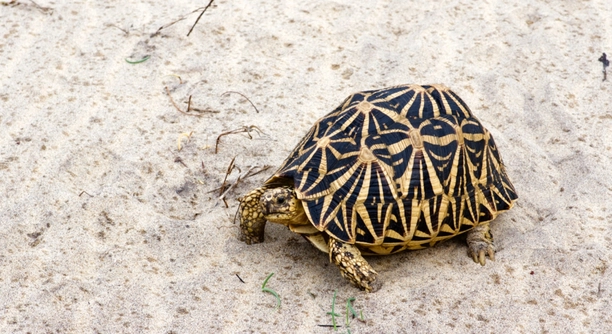
Many owners of Indian Star Tortoises have noticed that their pets tend to eat dirt. It’s a curious behavior that can leave you wondering if it’s normal or a sign of something else.
This behavior is often due to a lack of essential nutrients or an instinctual habit of seeking minerals. Tortoises may eat dirt when they need more fiber, calcium, or other trace elements that are not present in their diet.
Understanding why your tortoise is eating dirt can help you adjust its diet and environment for better health. Let’s explore what might be going on and how you can address it.
Nutrient Deficiencies in Your Indian Star Tortoise
If your Indian Star Tortoise is eating dirt, it could be trying to make up for missing nutrients in its diet. A lack of calcium, fiber, or other minerals is often the reason for this strange behavior. Indian Star Tortoises need a balanced diet of leafy greens, vegetables, and occasional fruit, but if they’re not getting enough of the right nutrients, they may turn to dirt or other substrates. Calcium is especially important for their shell health and overall well-being, and if they’re not getting enough, they might instinctively try to find it in the soil.
A diet high in calcium and low in phosphorus is key to preventing this behavior. The right balance of vitamins and minerals will support your tortoise’s health and reduce its need to search for nutrients in the dirt.
If your tortoise is eating dirt regularly, you may need to reassess its diet. Adding a calcium supplement or adjusting the types of foods you offer can make a difference. Consider consulting with a reptile vet for advice on proper nutrition.
Environmental Factors
Sometimes, the problem lies not just in the diet but also in the environment.
If your tortoise’s habitat doesn’t mimic its natural conditions, it might start eating dirt out of boredom or stress. These tortoises are naturally foragers, and when they don’t have enough to explore or dig through, they may look for ways to occupy themselves. A lack of variety in the enclosure or improper humidity levels might also contribute to this behavior.
Make sure your tortoise’s environment includes areas to dig and explore, as well as a proper balance of heat and humidity. If they don’t have enough mental and physical stimulation, they might start eating dirt out of frustration. Adding objects for climbing or hiding can help, too.
Overfeeding and Excessive Protein Intake
Overfeeding or feeding your tortoise too much protein can lead to digestive issues and abnormal behaviors like eating dirt. Too much protein can upset the balance of nutrients in their diet and lead them to seek other sources to fulfill their nutritional needs.
If you’re offering too many high-protein foods, like certain types of meat or animal-based foods, your tortoise might start eating dirt as a way to adjust its diet. Tortoises generally thrive on a higher fiber, plant-based diet. Overfeeding protein can interfere with their digestive health, causing them to search for other nutrients that might be lacking.
If you suspect overfeeding is an issue, try adjusting the amount of protein and focusing on providing more plant-based foods. Leafy greens, grasses, and a variety of vegetables will help balance the nutrients without the risk of overloading your tortoise’s system with excess protein.
Stress and Anxiety in Tortoises
Stress is another factor that could cause your tortoise to eat dirt. A stressed tortoise may exhibit unusual behaviors as it tries to cope with its environment.
Changes in its surroundings, loud noises, or handling too much can create anxiety. Tortoises are sensitive to environmental changes and can react by eating dirt to self-soothe. It’s essential to provide a peaceful and stable habitat to reduce stress levels.
To reduce stress, make sure your tortoise’s enclosure is in a quiet, low-traffic area of your home. Keep the temperature and humidity levels stable and avoid excessive handling. This will allow your tortoise to feel secure and less likely to turn to dirt for comfort.
Boredom and Lack of Stimulation
A tortoise that’s bored may start eating dirt as a way to entertain itself. These animals are naturally curious and like to explore their environment.
Without enough things to do or explore, they may resort to digging or eating dirt. Tortoises need mental stimulation just as much as physical, so their habitat should provide room for them to move and interact with their surroundings.
Soil Texture and Preferences
The texture of the soil in your tortoise’s enclosure could be another factor influencing this behavior.
Some tortoises may be naturally inclined to consume certain types of soil, especially if it resembles what they would encounter in their natural habitat. Keep the soil clean, and if necessary, change it regularly to avoid contaminants.
Diet Changes and New Foods
Switching up your tortoise’s diet too quickly can lead to digestive issues and cause it to look for other sources of nutrients, including dirt.
If you’ve recently introduced new foods or changed their feeding routine, it might be why they’re searching for something else to eat. Gradually introduce new foods, and avoid sudden changes.
FAQ
Why is my Indian Star Tortoise eating dirt?
If your Indian Star Tortoise is eating dirt, it could be due to nutrient deficiencies, boredom, or stress. Tortoises need a balanced diet with calcium, fiber, and other minerals. If these aren’t present in their food, they might try to find these nutrients in the dirt. Additionally, a lack of stimulation in their environment can lead to them eating dirt out of boredom. Stress or changes in their routine may also contribute to this behavior. Ensure your tortoise has a proper diet and environment to avoid this.
How can I stop my tortoise from eating dirt?
To stop your tortoise from eating dirt, focus on improving its diet and environment. Make sure your tortoise gets a proper balance of nutrients, especially calcium and fiber. If your tortoise is bored, add enrichment to its enclosure, like hiding places or objects to climb on. Keeping its habitat clean and providing a stable environment can help reduce stress, which might also play a role in the behavior.
Is it dangerous for my tortoise to eat dirt?
Eating dirt isn’t ideal for your tortoise, as it can lead to digestive issues or health problems. If your tortoise consumes too much dirt, it might ingest harmful bacteria or parasites, which could cause illness. Additionally, dirt is not a substitute for proper nutrients like calcium, which is essential for their shell health. Over time, this behavior can lead to malnutrition or digestive blockages.
How much calcium should I give my tortoise?
Your Indian Star Tortoise needs a calcium supplement to maintain a healthy shell and bones. A general guideline is to dust its food with calcium powder once or twice a week, but the exact amount will depend on your tortoise’s size and age. Juvenile tortoises need more calcium for growth, while adults need less. It’s always best to consult with a vet to determine the right amount for your specific tortoise.
Can overfeeding cause my tortoise to eat dirt?
Yes, overfeeding your tortoise can lead to digestive issues, causing it to seek other sources of nutrients. If your tortoise is fed too much protein or too many high-calcium foods, it might turn to dirt in an attempt to find balance. Make sure to feed your tortoise a proper portion size and adjust the types of food based on its needs.
How can I create a stress-free environment for my tortoise?
To create a stress-free environment, keep your tortoise’s habitat stable and peaceful. Ensure the enclosure is in a quiet area of your home, away from loud noises or too much human activity. Maintain proper temperature and humidity levels, and avoid excessive handling. The enclosure should have plenty of room to move and explore, with hiding places to provide security.
What should I feed my Indian Star Tortoise?
Your Indian Star Tortoise should have a diet rich in high-fiber vegetables and some fruits. Leafy greens like dandelion greens, collard greens, and mustard greens are excellent choices. Avoid feeding too many high-protein foods or high-oxalate vegetables, like spinach, as these can cause health issues. Offering a variety of plants will ensure your tortoise gets the nutrients it needs.
Can stress cause my tortoise to eat dirt?
Yes, stress is a common factor that can cause your tortoise to eat dirt. Tortoises are sensitive to changes in their environment, and things like noisy surroundings, overcrowding, or excessive handling can create stress. When stressed, they may exhibit unusual behaviors, including eating dirt. To reduce stress, provide a calm, stable environment with the right temperature, humidity, and plenty of space.
How often should I change my tortoise’s bedding?
Changing your tortoise’s bedding regularly is essential to maintain a clean and healthy environment. Depending on the size of the enclosure and the type of bedding used, it should be changed every 2 to 4 weeks. You can spot clean daily to remove waste and ensure a hygienic space for your tortoise. Make sure the bedding is dry and free from mold or bacteria.
Can I add supplements to my tortoise’s food to prevent dirt eating?
Yes, adding supplements to your tortoise’s food can help prevent dirt-eating if the behavior is due to nutritional deficiencies. Calcium powder is a common supplement that supports shell health and overall well-being. You can also provide other vitamins and minerals as needed, but it’s essential to balance the diet to avoid over-supplementing. Always consult with a reptile vet before adding new supplements to your tortoise’s food.
Final Thoughts
If your Indian Star Tortoise is eating dirt, it’s a sign that something might not be quite right with its diet or environment. While it’s not necessarily dangerous in the short term, this behavior can lead to potential health issues. It’s important to understand the root causes of this behavior so you can take the necessary steps to prevent it. Whether it’s a nutrient deficiency, boredom, stress, or even the soil’s texture, addressing the problem early on can help your tortoise stay healthy and happy.
The most common cause of dirt-eating in tortoises is a lack of essential nutrients like calcium, fiber, or other minerals. Tortoises, especially Indian Star Tortoises, need a diet that mimics what they would naturally find in the wild. If they don’t get enough of these nutrients from their food, they might try to find them in the dirt. Ensuring your tortoise has a balanced diet with proper supplements can help prevent this behavior. Calcium, in particular, is crucial for their shell and bone health, and offering the right amount is essential.
Beyond diet, it’s also important to consider your tortoise’s environment. Tortoises are curious creatures that need mental and physical stimulation. If they feel bored or stressed, they may turn to dirt eating as a way to cope. Keeping their habitat clean, offering hiding spots, and maintaining a calm environment can reduce stress and encourage natural behaviors. With a bit of care and attention to both diet and environment, your tortoise should be able to avoid the need to eat dirt.

Hello,
If you enjoy the content that we create, please consider saying a "Thank You!" by leaving a tip.
Every little bit helps us continue crafting quality advice that supports the health, happiness, and well-being of pets around the world, for pets of all shapes, sizes, and species.
We really appreciate the kindness and support that you show us!