
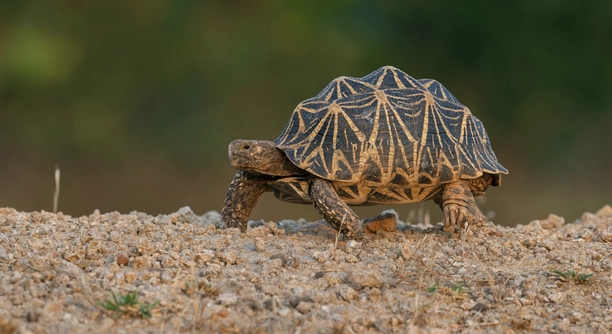
Indian star tortoises are delicate creatures that need specific environmental conditions to stay healthy. Temperature is one of the most crucial factors in ensuring their well-being. If your tortoise feels too cold, it could affect its health.
When an Indian star tortoise is too cold, it may show signs of lethargy, lack of appetite, and slower movement. Ensure their enclosure stays at the proper temperature to prevent stress or health issues. Proper warmth is essential for digestion and overall health.
Recognizing when your tortoise is too cold can help you make adjustments. Understanding how to monitor and adjust the temperature in its environment is key to maintaining its health.
1. Temperature Ranges for Indian Star Tortoises
Indian star tortoises thrive in a warm environment, and temperature control is critical for their health. The ideal temperature for their habitat ranges from 80°F to 90°F during the day, with a nighttime drop to around 70°F. If the enclosure is too cold, their metabolism slows down, which can lead to a decrease in appetite and overall activity. A basking area should be provided with a heat source to maintain this warmth. Too much fluctuation in temperature can cause stress. Make sure your tortoise’s environment stays consistent to avoid problems.
Temperature is important to your tortoise’s comfort. If you notice your tortoise is staying hidden or acting sluggish, it could be due to cold conditions. Keeping track of temperature shifts throughout the day is key.
A good way to monitor the temperature in their environment is by using a thermometer. Place it in different areas of the enclosure to ensure there are no cold spots. A heat lamp can help maintain consistent warmth. If you’re using a heat pad, avoid making the enclosure too warm, as that can lead to overheating.
2. Signs of Cold Stress
When your tortoise is too cold, it may appear withdrawn and lethargic. These behaviors signal that the environment isn’t warm enough.
When the temperature drops below what’s comfortable, your tortoise’s digestion slows. This can make them less active and reduce their appetite. Cold stress can also make them more vulnerable to illness.
3. The Importance of a Basking Spot
A basking spot provides essential heat for your tortoise. Without one, they won’t be able to properly digest food, and their metabolism will slow down. It’s important to maintain this area at around 95°F to 100°F. A heat lamp positioned above this spot can help achieve the right temperature.
The basking spot is a crucial element of your tortoise’s enclosure. This area allows them to warm up when needed. Without it, your tortoise may not have the energy to move, eat, or engage in normal activities. Ensure that this spot is away from any draft, as that could cool it down too much.
If you find that your tortoise is not using the basking area regularly, it could be a sign that it is either too hot or too cold. Check the temperature regularly to ensure that it’s within the correct range. A thermometer can help with accuracy and provide peace of mind that your tortoise has the warmth it needs.
4. Checking Your Tortoise’s Behavior
Pay close attention to your tortoise’s actions. If they seem sluggish or hide more than usual, they may be too cold. You might notice them resting in one spot, not moving much, or showing a lack of interest in food. These signs indicate that they need more warmth.
Behavior changes in tortoises are often a direct result of temperature issues. A cold tortoise will move slower, may not eat, or could even appear to be in a state of dormancy. If you notice these changes, check the temperature in the enclosure. Even slight drops in temperature can make a significant difference.
5. Temperature Fluctuations
Even small temperature fluctuations can stress your tortoise. If the temperature in their environment rises or drops too quickly, it may cause them to become inactive or withdrawn. Try to avoid drastic changes by maintaining a stable heating system.
Fluctuations affect their digestion, and in colder conditions, they could even become more susceptible to respiratory issues. Monitor temperature changes and adjust as needed. A consistent environment is key for their health and well-being.
6. The Role of Humidity
Humidity plays an important role in your tortoise’s health. If the air is too dry, it can make your tortoise more sensitive to cold. Proper humidity levels help regulate their body temperature and aid in digestion.
Too much humidity can also be harmful, though. Aim to keep humidity levels moderate to maintain a comfortable environment. The right balance helps your tortoise stay active and healthy, preventing issues caused by dehydration or excess moisture.
FAQ
What temperature should my Indian Star Tortoise’s enclosure be?
The ideal temperature for an Indian Star Tortoise is between 80°F and 90°F during the day. At night, it should drop to about 70°F. Maintaining this range is crucial for their digestion, activity, and overall health. Make sure to have a basking spot with temperatures reaching up to 95°F to 100°F. This is where your tortoise will go to warm up when needed. Too much fluctuation or a drop below 70°F can stress your tortoise and lead to health issues.
How can I tell if my tortoise is too cold?
Cold stress in tortoises can lead to lethargy, loss of appetite, and slower movement. If you notice your tortoise staying in one spot, not eating, or moving sluggishly, it could be a sign that it’s too cold. Their body temperature drops when the environment is not warm enough, slowing down their metabolism and digestive processes. Make sure to check the enclosure’s temperature and adjust if necessary. Keep an eye on any behavior changes, especially during cooler weather, to prevent further complications.
Can I use a heat lamp to warm my tortoise’s enclosure?
Yes, a heat lamp is a great way to provide warmth. Ensure that the lamp is positioned over a basking area and kept at the appropriate height to maintain temperatures of 95°F to 100°F. Heat lamps simulate the warmth your tortoise would naturally experience in the wild and help with digestion. Be cautious not to place the lamp too close, as it could overheat the area, leading to discomfort. Use a thermometer to monitor the temperature regularly.
Do I need to worry about humidity for my tortoise?
Yes, humidity plays a role in maintaining your tortoise’s health. Too little humidity can lead to dry skin and dehydration, while excessive moisture can cause fungal or respiratory problems. For an Indian Star Tortoise, aim for a humidity level between 50% and 60%. You can use a hygrometer to measure humidity levels. Adjust the humidity by lightly misting the enclosure or using a humidity tray. Ensure proper ventilation to avoid excess moisture buildup.
How often should I check the temperature in the enclosure?
It’s a good idea to check the temperature at least once or twice a day, especially during seasonal changes when the temperature in your home may fluctuate. Keep a thermometer in different areas of the enclosure to make sure both the basking spot and the cooler areas are at the correct temperatures. Having a digital thermometer or a thermometer with a probe allows you to track temperature changes over time, giving you a more accurate reading.
Can my tortoise survive in cooler temperatures?
Indian Star Tortoises cannot thrive in temperatures below 70°F. Prolonged exposure to cold can lead to health problems such as respiratory infections and weakened immune systems. If the temperature drops significantly, it can cause your tortoise to become lethargic or even enter a state of brumation, which is a form of hibernation that could be harmful. Always ensure their environment is consistently warm enough to avoid these issues.
What are the signs that my tortoise is too warm?
If your tortoise is too warm, you may notice excessive stretching out or even lying on its back. These signs indicate that the temperature is too high, and your tortoise is trying to cool down. Overheating can cause stress, dehydration, and even burn the skin if the heat source is too close. Make sure to provide a cooler area within the enclosure and check the temperature regularly to avoid overheating.
Is it okay to let my tortoise roam outside?
Allowing your tortoise to roam outside can be beneficial as long as the outdoor temperature is within the proper range (80°F to 90°F). If the weather is too cold or too hot, keep your tortoise indoors. Outdoor enclosures should be well-secured, free from predators, and provide both a basking spot and shaded areas. Always supervise your tortoise when outdoors to prevent escape or injury.
Can I use a heat pad instead of a heat lamp?
Heat pads can be useful, but they should not replace a heat lamp entirely. While heat pads provide warmth from below, they won’t warm the air in the enclosure as effectively as a heat lamp. The heat lamp provides the necessary warmth to a basking spot, which is essential for your tortoise to regulate its body temperature. If you use a heat pad, make sure it is placed under one side of the enclosure, so there is a temperature gradient for your tortoise to move to when it needs to cool off.
How can I keep my tortoise warm during the winter?
During the winter months, it’s essential to ensure that your tortoise’s enclosure remains at the proper temperature. If your home gets colder, you may need to use additional heating sources, such as a ceramic heat emitter or a heat lamp. Ensure that the basking area stays warm, and keep the enclosure away from drafts. You can also use a space heater to help maintain the room temperature if necessary. Regularly check the temperature and adjust it accordingly to prevent your tortoise from getting too cold.
Final Thoughts
Maintaining the proper temperature for your Indian Star Tortoise is essential for its health and well-being. When the environment is too cold, your tortoise can become lethargic, lose its appetite, and face other health problems. It’s important to provide a stable and warm habitat, with a basking area to ensure your tortoise stays comfortable and active. Pay attention to temperature fluctuations, and keep the overall temperature in check to avoid causing stress or illness.
In addition to temperature, humidity also plays a role in the health of your tortoise. Too much or too little humidity can lead to issues such as dehydration or respiratory problems. Keeping the humidity levels moderate is important, and it can be easily managed by misting the enclosure or adjusting the humidity tray. Make sure to monitor the humidity regularly with a hygrometer, and adjust as needed. With the right balance of warmth and humidity, your tortoise will thrive and remain active.
Finally, remember to observe your tortoise’s behavior closely. Any changes, such as lethargy or lack of appetite, could be signs that the environment is too cold. Regular checks on both temperature and humidity will help prevent issues before they become serious. By ensuring that the enclosure is the right temperature and humidity level, you’ll give your tortoise the best chance at staying healthy and happy.

Hello,
If you enjoy the content that we create, please consider saying a "Thank You!" by leaving a tip.
Every little bit helps us continue crafting quality advice that supports the health, happiness, and well-being of pets around the world, for pets of all shapes, sizes, and species.
We really appreciate the kindness and support that you show us!