
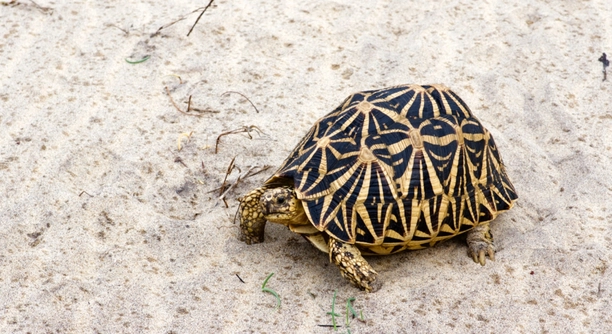
If you’ve noticed your Indian Star Tortoise repeatedly digging in the same spot, you might be wondering why this behavior is happening. Tortoises have unique ways of expressing themselves and their environment influences their actions.
The main reason your tortoise keeps digging in the same spot could be linked to nesting behavior, territorial instincts, or seeking a comfortable resting area. This repetitive digging may also signal the search for food or an appropriate temperature regulation spot.
Understanding this behavior is key to providing your tortoise with the right environment. With a little insight, you can ensure a healthier and happier home for your pet.
The Possible Causes of Digging Behavior
When your Indian Star Tortoise digs in the same spot, it’s not just for fun. This behavior often stems from instinctual needs. In the wild, tortoises dig to create a safe, comfortable space for resting or nesting. If your tortoise has an area it prefers, it may feel secure there. It’s also possible your pet is simply trying to find a cooler or warmer spot. Digging can regulate its temperature, which is especially important for a reptile.
Understanding your tortoise’s environment is crucial. Make sure it has enough space to roam, along with the proper heat and humidity. You can create areas for burrowing to help replicate natural conditions. Without sufficient space and suitable environmental factors, your tortoise might repeatedly dig in the same spot, trying to find what it needs. If the digging persists, consider checking your pet’s habitat and temperature.
Sometimes, it’s just part of being a tortoise. Regular monitoring and adjustments to the habitat should encourage your tortoise to move and explore more, rather than sticking to one spot. If digging becomes excessive, it might indicate a larger issue with your pet’s well-being, such as stress or discomfort.
How to Address Excessive Digging
If you notice your tortoise digging too often, there are some simple steps you can take to fix the problem. Adjusting its environment can make a significant difference.
First, evaluate your tortoise’s enclosure. Ensure there is enough substrate for digging and that it’s not too deep. You want it to have the right amount of space to dig but not feel trapped. Also, make sure it has access to a proper heat source and cooler areas, as temperature regulation is crucial.
Another important aspect is the substrate itself. Using a mixture of sand and soil can help your tortoise feel more at home. The material should allow digging without being too compact. Keep your tortoise’s habitat clean and tidy to ensure it doesn’t feel the need to dig out of stress or boredom. Consider adding hiding spots to provide a safe space to retreat.
By making these adjustments, you’ll encourage your tortoise to explore and reduce repetitive digging. Keep an eye on its behavior to ensure it’s comfortable in its environment, so your pet stays happy and healthy.
Nesting Behavior and Its Impact
If your female Indian Star Tortoise is digging, it could be related to nesting. During breeding seasons, female tortoises dig to create a place to lay their eggs. Even if no mate is present, the instinct to dig can still be triggered. This behavior may appear even if no eggs are ever laid.
To help your tortoise, create a designated nesting area with a mix of soil and sand. This will allow your pet to carry out its natural instincts without feeling stressed. Ensuring there is enough space and the proper environment can prevent the tortoise from repeatedly digging in random spots. Keep a close eye on the behavior and watch for any signs that the digging might be linked to egg-laying.
Temperature Regulation and Digging
Tortoises regulate their body temperature through digging. If they feel too hot or cold, they might dig to find a more comfortable spot. The digging isn’t random; it’s an attempt to find a better temperature for resting. It’s crucial to ensure your tortoise has access to areas that are both warm and cool.
Your tortoise needs a balance of temperatures to thrive. Providing shaded areas as well as basking spots can help your tortoise find the perfect temperature. Avoid making the environment too hot or too cold, as it will increase the digging behavior. Make sure your tortoise can adjust to different temperatures by having proper heating lamps and cool corners in its habitat.
Stress and Anxiety
Stress can trigger digging in tortoises. If they feel threatened or uncomfortable in their environment, they may dig to create a sense of safety. Loud noises, sudden changes in their habitat, or even the presence of other animals can cause stress.
Ensure your tortoise’s habitat is calm and quiet. Minimize handling and avoid introducing new pets or changes that might disturb your tortoise’s routine. Provide plenty of hiding spaces and shelters for your pet to retreat to when feeling stressed. Stress-free environments help reduce repetitive behavior like digging.
Boredom and Lack of Stimulation
If your tortoise isn’t getting enough mental stimulation, it may resort to digging. Tortoises need a variety of activities to keep them engaged and entertained. A lack of variety in their habitat can lead to this repetitive behavior.
Try adding different textures, such as rocks, plants, or logs, to their enclosure. Also, offer enrichment through occasional treats or new areas to explore. Regular interaction and exploration can help break the cycle of digging. Avoid keeping them in a dull environment where they feel nothing changes. This will help keep your tortoise active and prevent boredom-driven digging.
Health Concerns
Digging might also be a sign of health issues. If your tortoise is uncomfortable due to a physical problem, it might dig in an attempt to alleviate pain or stress. Look for other signs such as lethargy or changes in eating habits.
If you suspect a health issue, take your tortoise to the vet. It’s important to rule out any potential illnesses or injuries that could be affecting your pet. Health problems can sometimes manifest as digging behavior, and a professional opinion can help determine whether it’s health-related.
FAQ
Why does my tortoise keep digging in the same spot?
Your tortoise may be digging in the same spot due to nesting instincts, temperature regulation, or stress. These are common reasons tortoises engage in repetitive digging behavior. It’s important to assess the environment and make sure it’s conducive to their needs. Adding a proper substrate mix and providing temperature control can help. Stress from changes or lack of space can also trigger this behavior. Regular observation will help you identify if the digging is due to any of these factors.
Is my tortoise digging because it is sick?
Digging can sometimes indicate a health issue, though it’s not always the case. If your tortoise is digging excessively, combined with other signs like lethargy, lack of appetite, or irregular behavior, it could be a sign of discomfort or illness. In such cases, it’s advisable to consult with a veterinarian. Physical discomfort can cause your tortoise to try and find a better position or create a sense of comfort by digging.
How can I stop my tortoise from digging?
Stopping digging entirely might not be possible, but you can manage it by addressing the underlying causes. First, ensure that your tortoise has enough space to roam, a proper temperature gradient, and a variety of substrates for digging. Create separate nesting areas and make sure the habitat is stress-free. Avoid loud noises or other environmental disturbances. By creating a suitable environment, you can minimize unnecessary digging.
Does my tortoise need a mate to stop digging?
A tortoise may dig to create a nesting site, even if it doesn’t have a mate. Female tortoises instinctively dig to lay eggs, whether or not fertilization occurs. If your tortoise is female and you notice digging behavior, it could simply be an instinct to find a place for laying eggs. Having a mate is not necessarily required for this behavior.
Can I prevent my tortoise from digging altogether?
It is difficult to completely stop a tortoise from digging as it’s a natural and instinctive behavior. However, by providing a well-balanced habitat, including appropriate temperature regulation, hiding spots, and enriching elements, you can minimize excessive digging. Additionally, ensure your tortoise has a designated digging or nesting area so it doesn’t feel the need to dig randomly.
How often should I check on my tortoise’s behavior?
Regular monitoring of your tortoise’s behavior is essential for understanding its needs. Checking on your tortoise every day can help you spot signs of stress, discomfort, or health issues early. Pay attention to changes in behavior, such as excessive digging, changes in eating habits, or lethargy. Routine checks will help you address any concerns before they become serious problems.
What should I do if my tortoise starts digging aggressively?
Aggressive digging can sometimes be a sign of stress or discomfort. First, check the environment to see if there are any potential stressors, such as temperature issues or lack of space. If the environment seems fine and the digging persists, consider consulting a vet to rule out any health problems. Adjusting the habitat and ensuring that the tortoise has plenty of enrichment can help reduce aggressive behavior.
Is it normal for my tortoise to dig at night?
It’s not uncommon for tortoises to dig at night, especially if they feel more secure or comfortable in their environment during those hours. Some tortoises are more active at night due to their natural instincts. If your tortoise is digging during nighttime hours but appears healthy, it is likely just a part of their routine behavior. Keep monitoring the digging to ensure it’s not an indication of health problems.
Can too much digging harm my tortoise?
Excessive digging in itself is unlikely to harm your tortoise, but if the behavior is linked to environmental stress or health issues, it could cause problems. For example, if the tortoise digs excessively in an attempt to escape a stressful environment or create a nesting site without appropriate space, it might injure itself. Make sure the environment is safe and comfortable to avoid these risks.
Should I provide a digging area for my tortoise?
Yes, providing a designated digging area is beneficial for your tortoise. It helps to satisfy its natural instincts without the risk of stress or frustration. You can create a space with a mix of soil and sand where your tortoise can dig freely. A proper digging area will allow it to engage in natural behaviors while preventing it from digging in other parts of the enclosure.
Does temperature affect a tortoise’s digging behavior?
Yes, temperature can significantly influence digging behavior. If your tortoise is too hot or cold, it may dig in an attempt to find a more comfortable spot. Providing both cool and warm areas within the enclosure is crucial. Make sure your tortoise has access to proper heating and cooling areas, as temperature regulation is vital for its overall well-being.
What are some common reasons for digging in young tortoises?
Young tortoises may dig for similar reasons as adults, including temperature regulation, boredom, or the instinct to create a secure resting spot. However, young tortoises may also dig more out of curiosity or because they are still learning about their environment. Provide them with varied textures and stimulation to prevent excessive digging.
How can I make my tortoise’s habitat more comfortable to reduce digging?
To make your tortoise’s habitat more comfortable, ensure that it has adequate space, a proper heat source, and a humidity level suitable for its species. Create an area with multiple substrates, such as a mixture of soil and sand, to allow digging without frustration. Adding plants, hiding spots, and climbing structures can also provide enrichment, reducing the need for constant digging.
Can my tortoise be too old to dig?
While older tortoises may not dig as frequently as younger ones, age does not typically eliminate the behavior altogether. Older tortoises may dig less due to decreased energy levels or changes in their physical capabilities, but they will still instinctively dig if needed. Pay attention to other signs of aging, such as mobility issues or changes in eating habits, and adjust the habitat accordingly.
Final Thoughts
Understanding why your Indian Star Tortoise keeps digging in the same spot is important in ensuring its well-being. Digging is a natural behavior for tortoises, often linked to nesting instincts, temperature regulation, or stress. It can be quite alarming if the digging is excessive, but it’s often a simple matter of your tortoise trying to satisfy its basic needs. By paying close attention to its environment and behavior, you can gain insights into what might be causing the digging and take action to address it.
If you notice your tortoise digging regularly, it’s crucial to check the habitat for any environmental issues. Temperature control is essential, as tortoises need a warm basking area and a cooler space for proper thermoregulation. The substrate in the enclosure should also be suitable for digging; a mix of soil, sand, or coconut fiber can provide the right texture. Additionally, the presence of hiding spots and enrichment items will help reduce the stress that could lead to excessive digging. Even if you can’t stop all digging, creating a more comfortable and natural habitat can minimize frustration for your tortoise.
In some cases, digging might be a sign of health concerns, such as discomfort or injury. If your tortoise’s behavior changes or if it seems lethargic, it’s important to consult a veterinarian. While digging can often be linked to instinctual behaviors like nesting, a thorough check-up will ensure that there are no underlying health problems contributing to the behavior. Remember, a balanced environment and understanding your tortoise’s needs are key factors in reducing unnecessary digging and promoting a happy, healthy life for your pet.

Hello,
If you enjoy the content that we create, please consider saying a "Thank You!" by leaving a tip.
Every little bit helps us continue crafting quality advice that supports the health, happiness, and well-being of pets around the world, for pets of all shapes, sizes, and species.
We really appreciate the kindness and support that you show us!