
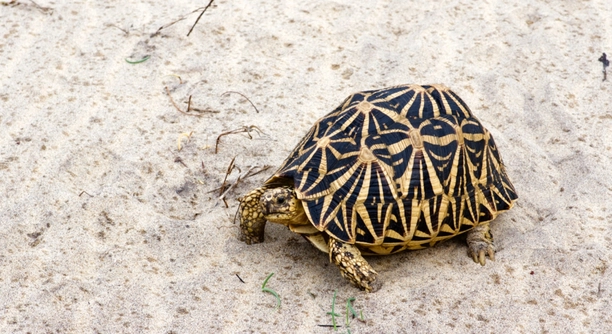
Indian Star Tortoises are known for their varied diet, which consists of a wide range of plants. Understanding the best foods for their health is essential for proper care and nutrition.
Indian Star Tortoises can safely consume lemongrass in moderation. It provides a good source of fiber and nutrients, aiding in digestion and overall health. However, it should not be a primary food source.
Lemongrass offers important benefits for digestion, but it is essential to feed it alongside other nutritious plants for a balanced diet.
Nutritional Value of Lemongrass for Tortoises
Lemongrass is a great addition to a tortoise’s diet because it’s rich in fiber, which is crucial for their digestion. It also contains essential vitamins, including vitamin C and various antioxidants that help support their immune system. When fed in moderation, it can contribute to a well-rounded diet, complementing other plants and grasses. However, it is important to note that lemongrass should never be the main food source as it lacks certain nutrients that tortoises need. A varied diet consisting of grasses, leafy vegetables, and other plant-based foods is necessary for maintaining optimal health.
Lemongrass can be a refreshing and beneficial treat when added to your tortoise’s diet in small amounts. It’s important to provide a balance of different plant materials to avoid over-reliance on one food.
Always ensure the lemongrass you offer is pesticide-free, as chemicals can be harmful to your tortoise. Even organic lemongrass should be washed thoroughly to remove any dirt or contaminants before feeding it to your pet.
How to Feed Lemongrass to Your Indian Star Tortoise
Feeding lemongrass to your tortoise is simple, but moderation is key. Cut the grass into small, manageable pieces to make it easier for your pet to consume. Ensure that it is fresh and free from pesticides, and only offer it as part of a balanced diet alongside other greens, hay, and vegetables. While lemongrass is safe, offering it too often may lead to digestive discomfort.
A tortoise’s diet should primarily consist of grasses and other plant material that mirror what they would naturally find in the wild. However, lemongrass can supplement the variety needed for a healthy, balanced meal. Introducing it sparingly ensures your tortoise receives the benefits without any issues. Tortoises, like Indian Star Tortoises, thrive when their diet is diverse and tailored to their natural eating habits. Incorporating lemongrass occasionally into their feeding schedule helps in promoting overall digestive health. Alongside proper hydration and exposure to sunlight, feeding them a variety of plant matter is essential for longevity.
Potential Risks of Feeding Lemongrass to Your Tortoise
While lemongrass can offer benefits, there are potential risks when it’s overfed. Too much fiber can cause digestive upset, leading to bloating or diarrhea. It’s important to offer it in moderation and alongside other foods.
Excessive consumption of lemongrass may lead to an imbalance in the tortoise’s diet. A diet too high in fiber from certain plants, like lemongrass, can strain the digestive system and affect their overall health. Regularly feeding only one type of grass or plant may lead to nutritional deficiencies.
It’s also essential to ensure the lemongrass is free from pesticides or chemicals. While organic lemongrass is safer, it still requires thorough cleaning before feeding. Harmful chemicals can disrupt a tortoise’s digestion and overall health. Keeping the diet varied will help avoid complications.
When to Avoid Lemongrass in Their Diet
If your tortoise has a sensitive stomach, lemongrass might not be the best option. Monitor your pet’s reactions to new foods carefully. In case of any digestive issues, it’s better to avoid it for a while.
Lemongrass can sometimes irritate tortoises with more delicate digestive systems, particularly when introduced too quickly or in large amounts. If you notice signs of discomfort, such as lethargy, bloating, or diarrhea, it is best to remove lemongrass from their diet and consult a vet. Avoiding this plant is sometimes necessary if these symptoms persist.
It’s essential to focus on foods that suit your tortoise’s specific needs. Offering a variety of safe plant-based foods with proper fiber and calcium content will better support their long-term health. Keeping track of any foods that cause digestive issues will help fine-tune their diet over time.
How to Introduce Lemongrass to Their Diet
When adding lemongrass to your tortoise’s diet, start with small amounts. This allows you to monitor how your tortoise reacts and ensures their digestive system adapts. Gradually increase the amount over time.
Be mindful that every tortoise is different. Some might tolerate lemongrass without issues, while others may experience minor digestive discomfort. Starting slow ensures you can track their reaction to the new food.
Alternative Plants for Indian Star Tortoises
There are many safe plants to feed your Indian Star Tortoise aside from lemongrass. Dandelion greens, clover, and hibiscus flowers are all excellent options. Rotate different plants regularly to provide variety and balanced nutrition.
These plants offer the right mix of fiber, vitamins, and minerals. Including a variety of grasses and leaves mimics their natural diet and promotes overall well-being. A diverse diet helps to ensure your tortoise receives all necessary nutrients.
FAQ
Can I feed my Indian Star Tortoise lemongrass daily?
No, it is not recommended to feed lemongrass daily. While it offers some nutritional benefits, feeding it too often can cause digestive upset due to its high fiber content. It should be offered as part of a varied diet, not as a primary food source. A healthy diet for Indian Star Tortoises consists of a balance of grasses, leafy vegetables, and other plant-based foods.
What are the health benefits of lemongrass for tortoises?
Lemongrass is rich in fiber, which aids in digestion and helps maintain healthy gut function. It also provides vitamins and antioxidants that support the immune system. The plant’s natural antibacterial properties can help promote overall health, but these benefits are most noticeable when it’s fed in moderation.
How much lemongrass should I give to my tortoise?
Lemongrass should be offered in small amounts, about once or twice a week. It’s important to balance it with other plant materials. The right quantity will depend on your tortoise’s size, age, and overall health. Monitor their digestive health closely when introducing new foods.
Is lemongrass safe for baby Indian Star Tortoises?
Lemongrass can be offered to baby tortoises in moderation, but it’s crucial to be cautious with young tortoises. Their digestive systems are more sensitive, so it’s better to start with very small amounts. Ensure they are getting a diet rich in nutrients suitable for their growth and development.
Can I feed my tortoise other types of grass?
Yes, other types of grass such as Bermuda grass, Timothy hay, and grass hay are great additions to your tortoise’s diet. These are natural foods that your tortoise would encounter in the wild. Mixing different types of grasses offers a variety of nutrients to support their health.
Should I wash the lemongrass before feeding it to my tortoise?
Yes, always wash lemongrass thoroughly before feeding it to your tortoise. Even organic plants can carry dirt, pesticides, or chemicals that may harm your pet. Rinse the grass under clean water to remove any contaminants before offering it.
What signs should I look for if my tortoise is not tolerating lemongrass?
If your tortoise is not tolerating lemongrass, you might notice signs like bloating, diarrhea, or a decrease in appetite. These symptoms suggest that the lemongrass might be too harsh on their digestive system. Remove it from their diet and consult a veterinarian if the symptoms persist.
Can I feed lemongrass to my tortoise if it’s dried?
Dried lemongrass is generally safe for tortoises but should still be given in moderation. Dried herbs lose some of their moisture content, which can make them harder to digest. Be sure to hydrate the dried lemongrass before feeding it to your tortoise to make it easier to eat.
Can Indian Star Tortoises eat lemongrass along with other herbs?
Yes, Indian Star Tortoises can eat lemongrass alongside other herbs like basil, oregano, and parsley. Mixing different herbs offers variety and nutritional benefits. However, you should ensure the herbs are safe for tortoises and avoid those that are too high in oxalates or other harmful substances.
Is lemongrass good for tortoises in the winter?
Lemongrass can be offered during the winter as a part of a varied diet, though it should not replace hay or other high-fiber grasses that are ideal during colder months. Winter can be a time when tortoises need more fiber for digestion, so prioritize foods like hay during this season.
How do I store lemongrass for my tortoise?
To store lemongrass, keep it in a cool, dry place. If you want to keep it fresh for a longer period, you can refrigerate it in an airtight container. Ensure it stays dry to prevent mold. If you’re using dried lemongrass, store it in a sealed jar or bag away from moisture.
Can lemongrass help with my tortoise’s shell health?
While lemongrass can contribute to your tortoise’s overall health due to its vitamins and antioxidants, it is not directly linked to shell health. Shell health is mainly supported by calcium-rich foods and adequate UVB exposure. Be sure to include a variety of foods that support shell integrity, such as leafy greens and calcium supplements.
Can I feed lemongrass to other species of tortoises?
Lemongrass is generally safe for other tortoise species, but each species may have different dietary needs. Some species may tolerate lemongrass better than others. Always check species-specific care guidelines before introducing new foods to ensure it’s safe for your particular tortoise.
Is lemongrass good for tortoises with digestive issues?
Lemongrass may not be ideal for tortoises with existing digestive issues, as its high fiber content could potentially aggravate their condition. If your tortoise is suffering from digestive discomfort, consult a vet before offering lemongrass or any new food to ensure it’s appropriate for their health condition.
Final Thoughts
Lemongrass can be a healthy and tasty addition to an Indian Star Tortoise’s diet when used in moderation. Its high fiber content aids digestion and provides essential nutrients like antioxidants and vitamins. However, it should never be the main food source for your tortoise. A varied diet consisting of different grasses, leafy greens, and other plants is essential to maintain their overall health. Too much lemongrass can cause digestive issues, so it’s important to monitor how your tortoise reacts when first introducing it.
When feeding lemongrass to your tortoise, remember to start with small amounts. This allows you to observe if your tortoise has any adverse reactions, such as bloating or diarrhea. If no issues arise, you can gradually increase the quantity. Keep in mind that every tortoise has individual dietary needs, and some may be more sensitive to certain foods than others. The key is to offer variety and balance to ensure they receive all the nutrients they need. Always make sure any food you offer is clean and free of pesticides.
It’s also crucial to consult with a veterinarian if you notice any digestive disturbances or other health issues after feeding lemongrass. Your tortoise’s diet should be tailored to its specific needs based on age, size, and health conditions. While lemongrass can be a beneficial addition to their food, it’s essential to remember that no single food item can provide everything your tortoise needs. By offering a diverse, well-balanced diet and paying attention to their health, you can help ensure your tortoise stays healthy and happy for years to come.

Hello,
If you enjoy the content that we create, please consider saying a "Thank You!" by leaving a tip.
Every little bit helps us continue crafting quality advice that supports the health, happiness, and well-being of pets around the world, for pets of all shapes, sizes, and species.
We really appreciate the kindness and support that you show us!