
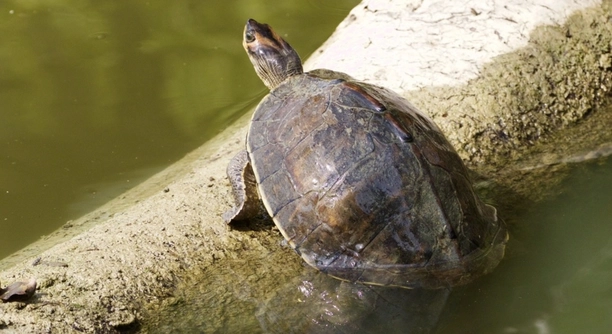
Your Indian roofed tortoise might be wiggling its tail, and you may wonder what could be causing this behavior. It’s important to observe and understand your pet’s actions to ensure it is healthy and comfortable in its environment.
The wiggling of your Indian roofed tortoise’s tail could indicate a variety of factors, such as communication, mating behavior, or a response to stress. It’s essential to consider the context in which the behavior occurs to identify the cause accurately.
By understanding your tortoise’s tail-wiggling behavior, you can better meet its needs and ensure it feels secure. Keep reading to learn more about this fascinating action.
Why Do Tortoises Wiggle Their Tails?
The tail-wiggling behavior in Indian roofed tortoises can sometimes be confusing. This movement is often tied to their communication methods, especially in interactions with other tortoises. It could also be a sign of excitement or a way to release excess energy. Tortoises are not as expressive as some other animals, so understanding their subtle body language is key to interpreting their actions. It’s important to pay attention to the context, as tail wiggling can be linked to specific moments, like when they’re being fed, exploring, or even feeling a little stressed.
In some cases, tail wiggling may also be connected to mating rituals. Male tortoises often exhibit this behavior to attract females. During the breeding season, this kind of movement might be more frequent as they attempt to catch the attention of a potential mate.
Recognizing when your tortoise is wiggling its tail out of excitement or during stress can help in adjusting its environment. A stressed tortoise may need more space or a quiet area to retreat to. Also, ensure it has a comfortable space with the proper lighting and temperature. This can help reduce anxiety, leading to fewer anxious tail wiggles.
Tail-Wiggling and Stress
Tail-wiggling might also signal that something’s bothering your tortoise. If the behavior seems to increase, it could be related to stress or discomfort. When a tortoise feels threatened or uneasy, it may exhibit this tail movement as a response.
Tortoises, like any pet, can feel stressed due to changes in their environment, improper habitat conditions, or even loud noises. If your tortoise is constantly moving its tail, check for signs of stress. Make sure its enclosure is safe and peaceful, and that it has access to clean water, the right temperature, and proper humidity.
Tail-Wiggling as a Mating Behavior
Male Indian roofed tortoises often use tail-wiggling as part of their mating behavior. During the breeding season, this movement can be a way to signal interest to females. It’s a subtle but noticeable sign of attraction.
In the wild, male tortoises will often perform a variety of actions to catch a female’s attention, and tail wiggling is one of them. This behavior may not only be a sign of excitement but also a form of courtship. When a male tortoise notices a female, he might wiggle his tail to indicate his interest. The frequency of this behavior may increase during the mating season, which typically occurs when the temperature rises, signaling the time for reproduction.
Understanding this behavior can help you ensure your tortoise’s environment supports its natural instincts. If you observe your male tortoise frequently wiggling its tail, it may be an indication that he’s trying to attract a mate, especially if he’s near another tortoise. While this is perfectly natural, it’s important to monitor his interactions to avoid unnecessary stress or aggression.
How Tail-Wiggling Relates to Feeding Time
Tortoises can also wiggle their tails when they’re excited or eager for food. This behavior can be observed when they sense food being prepared or offered. It’s an instinctive response to a potential meal.
When tortoises are hungry, their bodies are primed to respond to food stimuli. They may start moving around and even shake their tails in anticipation. This is a form of communication for them, expressing excitement. It’s quite common for them to show this behavior during feeding time, especially if they’ve learned to associate the presence of food with a positive outcome. The movement is usually not aggressive, but more of an enthusiastic response to the smell or sight of food.
If you notice your tortoise wiggling its tail during meals, it’s a good sign that it’s healthy and enjoys eating. However, if this behavior becomes more frequent or excessive, it might be an indication that your tortoise is still feeling hungry or that its diet isn’t meeting its nutritional needs. Ensuring a balanced diet and portion control can help manage this behavior.
Tail-Wiggling as a Sign of Comfort or Relaxation
Sometimes, a tortoise might wiggle its tail when it’s in a comfortable or relaxed state. This behavior can occur when it’s in a familiar and safe environment. It’s a gentle response that shows your tortoise feels at ease.
A relaxed tortoise can sometimes display tail wiggling without any stress or excitement. It’s simply enjoying its surroundings and moving its tail naturally. This is especially common when it’s in a warm, quiet spot or when it’s resting. If you notice the behavior in a calm setting, it’s a good sign that your tortoise is content and comfortable in its space.
Environmental Factors Affecting Tail-Wiggling
Changes in your tortoise’s environment, such as temperature shifts or a noisy background, can influence its tail-wiggling behavior. Tortoises are sensitive to their surroundings and may respond with tail movement if they feel uncomfortable or unsettled.
A sudden change in their habitat might cause confusion or mild anxiety. If the temperature is too high or low, it can result in restlessness. Similarly, loud noises or unfamiliar objects could prompt tail wiggling as a sign of distress or curiosity. Monitoring the environment and keeping it stable can help reduce unwanted behavior.
How to Address Excessive Tail-Wiggling
If the tail-wiggling becomes frequent or seems excessive, it’s essential to consider the possibility of stress or discomfort. You can address this by ensuring the enclosure is quiet, secure, and appropriately heated. Tail wiggling may be an early sign of discomfort.
FAQ
Why does my Indian roofed tortoise keep wiggling its tail?
The tail-wiggling behavior in Indian roofed tortoises is often a sign of communication. It can occur when your tortoise feels excited, stressed, or is trying to attract a mate. Observing the context—whether it’s feeding time, during exploration, or in the presence of another tortoise—can help you understand why it’s happening. Sometimes, this movement is simply a natural way of expressing its feelings in response to its environment or internal states.
Is tail-wiggling always a sign of stress?
Not necessarily. While tail-wiggling can indicate stress, it can also show excitement or comfort, depending on the situation. If your tortoise is in a calm environment and displaying this behavior, it’s likely just content. However, if tail-wiggling is accompanied by other signs of distress, such as hiding or erratic behavior, stress could be the cause.
How can I tell if my tortoise is stressed?
Signs of stress in tortoises include rapid movements, excessive tail-wiggling, hiding, or changes in eating habits. Stressed tortoises may also breathe rapidly or withdraw into their shells more often. If your tortoise is showing these signs, check its environment for any changes that might be causing discomfort, like a drop in temperature, loud noises, or overcrowding. Stress can also result from poor diet or an inappropriate habitat, so it’s essential to keep everything in balance.
Does tail-wiggling happen only during mating?
No, while tail-wiggling is part of the mating ritual in male tortoises, it is not exclusive to that situation. Your tortoise may wiggle its tail in response to food, environmental changes, or simply out of excitement. Male tortoises often do this to show interest in a female, but it can also happen when they are exploring, eating, or even feeling playful.
What should I do if my tortoise is constantly wiggling its tail?
If your tortoise is constantly wiggling its tail, first consider the environment. Check for signs of stress, discomfort, or any changes in its surroundings. Ensure the temperature, humidity, and lighting in the enclosure are appropriate. If the behavior continues, and there are no obvious causes of stress, consider consulting a veterinarian to rule out any health issues that might be causing unusual behavior.
Can I prevent my tortoise from wiggling its tail?
You can’t completely prevent your tortoise from wiggling its tail, as it’s a natural behavior. However, you can minimize situations that might trigger stress. Ensure that your tortoise has a stable, calm environment with proper temperature and humidity. Providing a diet rich in nutrients, and keeping noise levels low, can also help reduce stress-related behaviors. If the tail-wiggling seems excessive or abnormal, a visit to the vet might be needed.
What can I do to help my tortoise feel more relaxed?
To help your tortoise feel more relaxed, focus on creating a stable and comfortable environment. This means ensuring it has a proper habitat with a safe, secure, and quiet space to retreat. Keep the temperature and humidity levels within the recommended range. A hiding place or safe area will help your tortoise feel secure and reduce stress. Reducing loud noises, like television or radio, will also provide a calmer setting.
Is tail-wiggling a sign of happiness in tortoises?
Tail-wiggling can be a sign of happiness or excitement, especially if it happens in response to feeding or interaction. It can also indicate a positive response to exploration or a comfortable environment. If your tortoise wiggles its tail without showing other signs of stress, it’s likely in a relaxed or content state. Keep in mind that it’s essential to observe your tortoise’s body language as a whole to fully understand its mood.
Could my tortoise be in pain from the tail-wiggling?
Tail-wiggling itself is not typically a sign of pain, but if your tortoise is wiggling its tail excessively along with other signs like limping, abnormal posture, or changes in behavior, it could be experiencing discomfort. In that case, you should take it to a vet to ensure there are no injuries or health issues affecting your tortoise. Sometimes, tortoises may act out physically when they’re feeling unwell.
How can I tell if the tail-wiggling is normal or something more serious?
If the tail-wiggling is happening occasionally and under normal circumstances, like during feeding or exploring, it’s likely just part of your tortoise’s behavior. However, if you notice frequent tail-wiggling along with other behavioral changes, such as hiding, not eating, or rapid movements, it could indicate stress or discomfort. Check the environment for potential causes of stress, and if in doubt, consult a veterinarian to rule out health concerns.
Final Thoughts
Understanding why your Indian roofed tortoise wiggles its tail can help you better care for your pet. While this behavior can sometimes be puzzling, it’s important to remember that tail-wiggling is a natural action for your tortoise. It can be a sign of excitement, curiosity, or even a way of communicating with other tortoises. Whether it happens during feeding time, exploration, or as part of a mating ritual, observing your tortoise closely can help you understand the cause behind this movement. Knowing when the behavior is normal can reduce worry and help you ensure your tortoise feels comfortable in its environment.
However, if the tail-wiggling becomes excessive or happens in combination with other signs of stress, it’s important to take a closer look at its surroundings. Stress can be triggered by many factors, such as sudden changes in temperature, loud noises, or overcrowded living conditions. Ensuring that your tortoise has a safe and peaceful space with the proper conditions will help minimize any anxiety. If the behavior seems to be tied to stress, making adjustments in the habitat or routine can often help alleviate the issue. It’s crucial to pay attention to how your tortoise behaves overall, as this can provide clues to its well-being.
Lastly, remember that every tortoise is unique, and their behaviors can vary. Some may wiggle their tails more often than others, and that’s perfectly fine as long as there are no signs of discomfort or health issues. Regularly checking in on your tortoise’s health, providing it with a balanced diet, and maintaining an ideal habitat will help keep it happy and stress-free. If you ever have concerns about its behavior, don’t hesitate to consult with a veterinarian. Understanding your tortoise’s needs and natural instincts is key to ensuring it leads a healthy and fulfilling life.

Hello,
If you enjoy the content that we create, please consider saying a "Thank You!" by leaving a tip.
Every little bit helps us continue crafting quality advice that supports the health, happiness, and well-being of pets around the world, for pets of all shapes, sizes, and species.
We really appreciate the kindness and support that you show us!