
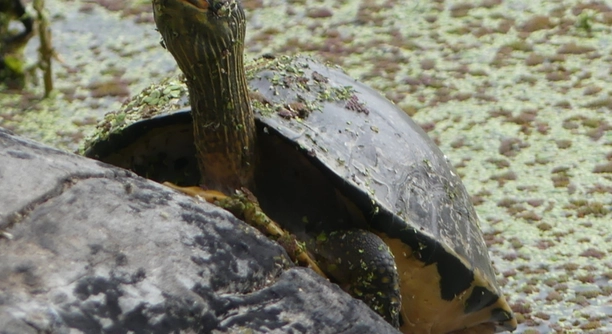
Respiratory infections in Indian Roofed Tortoises can be a serious concern for pet owners. Understanding the causes of these infections can help you keep your pet healthy and happy.
Several factors contribute to respiratory infections in Indian Roofed Tortoises, including poor enclosure conditions, incorrect humidity levels, poor diet, bacterial exposure, stress, temperature fluctuations, and inadequate ventilation. These factors weaken the immune system, making tortoises more susceptible to infections.
Keeping your tortoise in a safe, controlled environment is key to preventing respiratory infections.
Poor Enclosure Conditions
Indian Roofed Tortoises rely on specific conditions to stay healthy. When their enclosures are too small or improperly maintained, it can lead to health problems like respiratory infections. Tortoises need enough space to move freely, and their habitat must be clean and dry. Dirty bedding or unclean water can encourage bacteria growth, which can easily lead to infections. Without proper cleaning, mold and harmful bacteria can thrive, weakening the tortoise’s immune system and increasing the risk of illness.
A suitable enclosure for a tortoise should mimic its natural environment as much as possible. This means having access to clean, dry areas and avoiding overcrowding.
To keep your tortoise healthy, regularly check and clean their living space. Maintaining a well-ventilated and dry enclosure is crucial in preventing respiratory problems. Adding a basking spot with the right temperature can also help them stay warm and avoid getting sick.
Incorrect Humidity Levels
Humidity plays a big role in the health of Indian Roofed Tortoises.
Both too much and too little humidity can cause breathing problems. These tortoises need a moderate level of humidity to stay hydrated and prevent their respiratory system from drying out. If the humidity is too low, it can irritate their nasal passages and make them more prone to infections. Conversely, excessive moisture can lead to mold, bacteria, and fungal growth, which can be harmful.
Keeping the humidity at the right level will make a big difference in your tortoise’s health. Use a hygrometer to monitor and adjust the humidity level in their enclosure to maintain a comfortable range for your pet.
Poor Diet
A poor diet can make your Indian Roofed Tortoise more vulnerable to respiratory infections. If they don’t get the proper nutrition, their immune system weakens, leaving them open to illness.
These tortoises need a balanced diet of leafy greens, vegetables, and occasional fruits. Providing too much fruit or feeding them an improper diet high in protein or fat can create health issues. A weak immune system from poor nutrition makes it harder for your tortoise to fight off respiratory infections.
It’s essential to feed your tortoise the right foods to keep its immune system strong and prevent infections. Regularly offering a variety of fresh greens and vegetables will help support your pet’s overall health and well-being. Don’t forget to supplement with calcium to prevent shell problems. A balanced diet is key to their long-term health.
Bacterial Exposure
Bacteria are a leading cause of respiratory infections in tortoises. They can be introduced through poor enclosure hygiene or contact with contaminated surfaces.
Bacteria thrive in damp, unsanitary environments. If a tortoise is kept in such conditions, it’s at risk of contracting a bacterial infection. Bacteria can spread quickly, especially if the tortoise’s habitat isn’t cleaned regularly. Infections can cause symptoms like nasal discharge, wheezing, and lethargy.
To avoid bacterial exposure, clean your tortoise’s enclosure often and disinfect all surfaces. Avoid placing your tortoise in contact with other animals that may carry bacteria. Keeping their environment dry and maintaining good hygiene can drastically reduce the chance of bacterial infections.
Stress
Stress can weaken your tortoise’s immune system, making it more susceptible to respiratory infections. Any changes in their environment, like loud noises or handling, can cause stress.
Stressful situations like being in an overcrowded space or sudden changes in temperature can lead to illness. It’s important to minimize stress for your tortoise.
Try to keep their environment calm and stable. Avoid frequent handling, especially if your tortoise seems stressed. Providing a quiet, secure habitat where they feel safe will help maintain their health. It’s essential for preventing respiratory infections and ensuring overall well-being.
Temperature Fluctuations
Temperature fluctuations can affect your tortoise’s respiratory system.
Indian Roofed Tortoises require stable temperatures to stay healthy. Extreme heat or cold can stress them out and cause respiratory problems. When the temperature fluctuates, their bodies struggle to adjust, which makes them more prone to infections. Consistent warmth helps maintain their immune system.
Make sure their habitat stays within the proper temperature range. Provide a heat source that helps regulate their body temperature. By keeping the temperature stable, you can avoid unnecessary stress and keep your tortoise healthy.
FAQ
What are the common signs of a respiratory infection in an Indian Roofed Tortoise?
Respiratory infections in tortoises can be tricky to spot early on. Some common signs include nasal discharge, wheezing, labored breathing, and a decrease in appetite. You may also notice your tortoise becoming lethargic, spending more time hiding, or not basking as much. In severe cases, they might have swollen eyes or discharge coming from their eyes as well. If you notice these symptoms, it’s important to consult a vet to get a proper diagnosis and treatment.
How can I prevent my tortoise from getting a respiratory infection?
Maintaining a clean and comfortable environment for your tortoise is key. Ensure that their enclosure is properly ventilated, with the right humidity and temperature levels. Avoid overcrowding and handle your tortoise gently to reduce stress. Provide a balanced diet that supports a strong immune system. Regularly clean their living space to avoid bacteria build-up. Keeping your tortoise’s environment stable and calm will help prevent infections.
Can a respiratory infection in a tortoise be cured?
Yes, respiratory infections in tortoises can often be treated with the right medical care. Your vet may prescribe antibiotics or other treatments based on the severity of the infection. However, early detection and prompt treatment are crucial. If you notice symptoms, get your tortoise checked as soon as possible to avoid further complications. Never try to treat the infection yourself without proper veterinary advice.
What should I do if my tortoise stops eating due to a respiratory infection?
If your tortoise is not eating, it could be a sign of a respiratory infection or other health issues. First, ensure the environment is at the correct temperature and humidity. Provide food that is fresh and appealing. If your tortoise still refuses to eat or shows signs of illness, take it to a vet immediately. A lack of appetite can lead to dehydration and weakened health, so it’s best not to delay treatment.
Is it normal for my tortoise to breathe loudly sometimes?
Occasional loud breathing can be normal if your tortoise is adjusting to changes in temperature or humidity. However, if it becomes persistent, especially with other symptoms like nasal discharge or wheezing, it could indicate a respiratory infection. Always monitor your tortoise’s behavior and consult a vet if the symptoms worsen or last more than a couple of days.
How can I help my tortoise recover from a respiratory infection?
Recovery from a respiratory infection depends on timely treatment. Your vet will likely recommend antibiotics to treat bacterial infections. During recovery, ensure your tortoise is kept in a calm, clean, and warm environment. Keep the enclosure at the right temperature and humidity to support their immune system. Avoid any stressors, such as handling or sudden environmental changes, until your tortoise has fully recovered.
What should I do if I suspect my tortoise is stressed?
Stress in tortoises can lead to health issues, including respiratory infections. To reduce stress, keep your tortoise’s environment quiet, avoid excessive handling, and provide enough space for it to roam. If your tortoise seems stressed from its living conditions, consider adjusting the enclosure. This includes adding hiding spots or reducing bright lights and loud noises around their habitat. Stress can affect their immune system, so creating a calm environment is crucial.
Can I use a heat lamp to help my tortoise with a respiratory infection?
Yes, a heat lamp can be beneficial for your tortoise’s recovery from a respiratory infection. A heat source helps maintain the proper temperature in their enclosure, which is essential for healing. Make sure the lamp provides gentle warmth without overheating the space. Proper warmth helps with the absorption of food and keeps the tortoise comfortable. Be careful not to overheat them, as it can stress their system further.
Is it okay to house my tortoise with other animals?
It’s best to house your tortoise alone or with other tortoises of the same species. Housing them with other animals can introduce potential risks, such as bacterial infections, parasites, or stress. If you do decide to house your tortoise with others, ensure they are compatible and that the environment can support all animals’ needs. Be mindful of any behaviors that could cause stress or injury to your tortoise.
Can temperature changes outside affect my tortoise’s health?
Yes, external temperature changes can have a significant impact on your tortoise’s health. Rapid temperature shifts, especially sudden cold spells or excessive heat, can cause stress and weaken their immune system. Make sure your tortoise’s enclosure is protected from extreme weather, and maintain a consistent temperature. If you are housing your tortoise outside, provide a safe, insulated shelter where they can escape drastic weather changes.
How long does it take for a tortoise to recover from a respiratory infection?
The recovery time for a tortoise depends on the severity of the infection and how quickly it is treated. With proper care and medication, most tortoises recover within a few weeks. However, it is important to continue monitoring their condition and follow the vet’s instructions. The recovery process may take longer if the infection was severe or if complications arise, so it’s essential to stay in touch with your vet for follow-up care.
Can improper lighting cause respiratory issues in my tortoise?
Improper lighting can indirectly affect your tortoise’s health, but it’s typically more related to their overall well-being than directly causing respiratory issues. Tortoises need a UVB light source to help them metabolize calcium properly. Without it, they can suffer from metabolic bone disease, which weakens their immune system. While improper lighting alone may not directly cause a respiratory infection, it can contribute to other health issues that make infections more likely.
Final Thoughts
Respiratory infections in Indian Roofed Tortoises can be prevented with the right care and environment. By ensuring their enclosure has the correct temperature, humidity, and ventilation, you reduce the risk of respiratory issues. Keeping their living space clean and free from bacteria is also vital for maintaining good health. A balanced diet that supports their immune system can go a long way in keeping them strong and able to fight off infections. Regular monitoring of their behavior and health is key to spotting early signs of illness.
Stress can also play a significant role in making your tortoise more vulnerable to infections. By providing a stable and calm environment, you help reduce unnecessary stress that could weaken their immune system. Avoiding overcrowding, limiting handling, and ensuring they have enough space to roam are simple steps you can take to minimize stress. A healthy tortoise is a happy tortoise, and a stress-free environment promotes better overall health and resilience against respiratory problems.
Lastly, if you notice signs of a respiratory infection or any health concerns in your tortoise, it’s essential to consult a veterinarian as soon as possible. Early intervention can make a big difference in their recovery. By keeping your tortoise’s environment clean, providing the right care, and seeking prompt medical attention when needed, you can help ensure your pet stays healthy and happy for many years.

Hello,
If you enjoy the content that we create, please consider saying a "Thank You!" by leaving a tip.
Every little bit helps us continue crafting quality advice that supports the health, happiness, and well-being of pets around the world, for pets of all shapes, sizes, and species.
We really appreciate the kindness and support that you show us!