
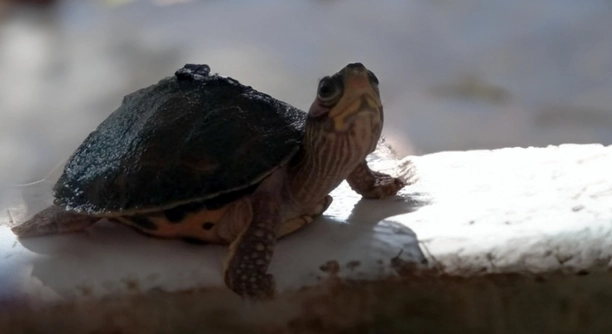
Indian roofed tortoises are a popular pet for many reptile enthusiasts. However, their behavior can sometimes leave their owners scratching their heads, especially when they repeatedly try to flip over.
The main reason your Indian roofed tortoise keeps trying to flip over is that it is attempting to right itself after feeling unsteady or stressed. Tortoises are naturally driven to avoid being upside down, so they work hard to find stability.
This behavior may not always be harmful, but understanding why it happens is essential. There are several factors that could influence this, such as their environment, stress, or even health issues.
Why Your Tortoise May Feel Unsteady
Indian roofed tortoises are usually quite calm, but they can become unsteady if their environment isn’t right. A common reason for this behavior is improper flooring. If your tortoise is walking on slippery surfaces, it might struggle to maintain balance and try to flip over. This happens because their legs are designed for sturdier ground, not something too smooth.
A simple solution is to ensure that the flooring in their enclosure is rough enough for them to grip. Consider materials like sand, gravel, or non-slip mats. These will provide the traction they need to feel stable. Additionally, keeping their environment consistent with gentle slopes rather than steep hills can help as well.
Inadequate space can also play a role. If a tortoise feels cramped, it might not have enough room to move around freely, leading to moments of unbalance. Providing enough room for your tortoise to roam and explore will reduce the likelihood of flipping. Offering some variety, such as hiding spots or climbing features, can help simulate a more natural setting that supports stability.
Stress and Anxiety: An Overlooked Factor
Sometimes, stress can affect your tortoise’s behavior and its attempts to flip. If it’s frequently exposed to loud noises, handling, or sudden changes in its surroundings, it may become anxious and lose its composure. The resulting agitation can cause it to flip over in an attempt to right itself.
Stress can be managed by creating a calm, predictable habitat. Keeping the enclosure in a quiet area of your home with minimal disturbances will allow your tortoise to feel more secure. Also, try to limit handling to reduce stress levels, and consider introducing new objects or changes to the environment slowly.
Tortoises also need time to adjust to their new surroundings. If your tortoise is newly adopted or has recently been moved to a new home, the flipping behavior might simply be due to an adjustment period. In this case, a little patience is key. Keep the environment stable, provide plenty of hiding places, and give your tortoise time to settle in.
Health Issues That Can Cause Flipping Behavior
Health problems could be contributing to your tortoise’s behavior. If it’s constantly trying to flip, it might be due to an underlying issue, such as a shell injury or muscle weakness. These conditions can affect its ability to stay upright.
Shell injuries, whether from falling or rough handling, can cause pain and imbalance. If your tortoise is injured, it may struggle to move properly, causing it to flip over. Check its shell for any cracks, dents, or discoloration. Similarly, weak muscles can prevent your tortoise from properly supporting itself, especially if it has been kept in a space that doesn’t encourage movement. Regular exercise, such as letting it roam on safe, natural ground, will help strengthen its muscles.
A weakened immune system or nutritional deficiencies can also make it more prone to imbalance. A balanced diet with the right amount of calcium, vitamin D, and other essential nutrients is key. If the flipping behavior persists, it’s always a good idea to consult with a vet to rule out any health issues.
Environmental Factors at Play
Environmental conditions play a significant role in your tortoise’s behavior. Too much heat or too little light can disorient your tortoise, making it feel unbalanced. The enclosure temperature should be within the recommended range for Indian roofed tortoises, generally around 75-85°F during the day, with a basking area reaching 90°F.
Improper lighting can also contribute to unsteady behavior. Tortoises rely on UVB light to process calcium and maintain healthy bones. Without proper lighting, they can develop weak bones, which makes it difficult for them to move without feeling unbalanced. Invest in a UVB bulb and make sure it’s positioned properly to mimic natural sunlight.
It’s also important to monitor humidity levels. Too much moisture can make the tortoise feel uncomfortable, while too little humidity can lead to dehydration, both of which affect movement. Ensure that the environment replicates the natural conditions of your tortoise’s habitat to avoid stress and physical discomfort.
Overfeeding and Obesity
Overfeeding your tortoise can cause it to become overweight, leading to imbalance. When a tortoise gains excess weight, it can become more prone to flipping, as its legs may struggle to support the added load.
A healthy, balanced diet is essential to avoid this issue. Provide a variety of leafy greens, vegetables, and occasional fruits while ensuring you don’t overfeed. Monitoring the amount of food given each day will help maintain a healthy weight. If unsure, consult with a vet for advice on portion sizes and diet plans.
Inappropriate Bedding Choices
The bedding in your tortoise’s enclosure can affect its ability to maintain stability. If the bedding is too soft or inconsistent, it can make it harder for your tortoise to move around naturally.
Use bedding like coconut coir, sphagnum moss, or a mix of sand and soil that provides a firm base. Avoid using soft or slippery materials such as shredded paper or loose sand. The right bedding will give your tortoise proper traction and reduce the likelihood of it flipping over.
Insufficient Space for Movement
If your tortoise is in a small or cramped enclosure, it may not have enough room to move freely. This restricted movement can cause stress and instability, leading to the flipping behavior.
Ensure the enclosure is spacious enough to allow your tortoise to roam comfortably. It should also have a variety of areas, like hiding spots, ramps, or gentle slopes, to keep your tortoise active and engaged. The more freedom your tortoise has, the less likely it is to feel unsteady or try to flip.
FAQ
Why does my Indian roofed tortoise keep flipping over?
Your tortoise may be trying to flip over due to various reasons such as an unstable environment, stress, health issues, or a poor diet. If it’s walking on slippery surfaces, lacks enough space, or has any injury, it may try to right itself by flipping over. Ensure the environment is safe, with proper flooring, space, and no distractions. Regular health checks will also help spot potential issues early.
How can I stop my tortoise from flipping over?
Start by ensuring the floor in its enclosure is not slippery. Use materials like sand or gravel for better traction. Make sure there’s enough space to move around and climb. Reduce stress by keeping its habitat calm and predictable. Finally, check its health and diet, as imbalances can lead to instability.
Is it harmful if my tortoise flips over?
Flipping can be harmful if it happens frequently. Tortoises are not designed to be upside down for long periods, and it can cause stress, injury, or even suffocation if left in that position. It’s important to monitor and address the reasons behind the flipping to prevent further harm.
How do I know if my tortoise is stressed?
Signs of stress in tortoises can include excessive hiding, aggressive behavior, or a lack of appetite. If your tortoise is flipping over often, it may also be stressed. Stressors can be loud noises, changes in the environment, or handling. Try to make the environment more calming by limiting disturbances and offering hiding spaces.
What should I feed my tortoise to prevent flipping?
A balanced diet is essential for your tortoise’s health. It should consist mainly of leafy greens and vegetables, with occasional fruits. Provide enough calcium, vitamin D3, and fiber to keep bones and muscles strong. Overfeeding or improper diets can lead to obesity, which may make it more difficult for the tortoise to move freely.
Can inadequate lighting cause flipping behavior?
Yes, poor lighting can cause health problems, leading to unsteady movement and flipping. UVB light is essential for calcium absorption and bone health. Without proper lighting, your tortoise may experience weakened bones or other issues that contribute to instability. Ensure your tortoise has access to both UVA and UVB light for about 12 hours a day.
What type of bedding is best for my tortoise to avoid flipping?
Choose bedding that provides stability and traction. Coconut coir, reptile carpets, or a mixture of sand and soil work well. Avoid using soft or slippery materials like shredded paper or synthetic mats, as they can make it difficult for your tortoise to grip and move.
How much space does my tortoise need to avoid flipping?
A spacious enclosure is important for your tortoise to move freely. The minimum size for an adult Indian roofed tortoise’s enclosure should be at least 4 feet long by 2 feet wide. A larger space will encourage natural movement and help prevent stress, which can contribute to flipping behavior.
Can health problems cause my tortoise to flip over?
Yes, health issues such as shell injuries, muscle weakness, or dehydration can cause your tortoise to flip. If the flipping persists, check for signs of injury on the shell or any physical changes. Weakness in the muscles or bones due to malnutrition or illness can also make it harder for your tortoise to stay upright.
What temperature should my tortoise’s habitat be to avoid flipping?
Temperature plays a critical role in your tortoise’s health and stability. The enclosure should be kept between 75-85°F during the day, with a basking area reaching 90°F. At night, temperatures should not drop below 65°F. Improper temperatures can affect your tortoise’s ability to move and maintain balance, leading to potential flipping behavior.
How often should I check my tortoise for signs of injury or illness?
Regular health checks are important to ensure your tortoise is not experiencing pain or discomfort that could lead to flipping. Inspect the shell for cracks, cuts, or signs of infection. Check its eyes, nose, and mouth for discharge, and monitor its overall movement. A vet visit is recommended if any concerning symptoms arise.
Can lack of exercise cause my tortoise to flip over?
Lack of exercise can contribute to muscle weakness, which may affect your tortoise’s ability to maintain balance. If the enclosure is too small or doesn’t allow for movement, the muscles may not develop properly, leading to instability and the potential for flipping. Allow your tortoise to roam in a safe, open space to encourage physical activity.
Final Thoughts
If your Indian roofed tortoise keeps trying to flip over, it’s likely due to one or more factors in its environment or health. The main reasons are often related to unsteady surfaces, stress, poor diet, or health issues like muscle weakness or shell injuries. Addressing these issues can help your tortoise feel more stable and secure in its environment. By paying close attention to the conditions you’re providing, you can make a big difference in its behavior.
Start by making sure the enclosure is set up correctly. Use non-slip materials like sand or gravel on the floor to help your tortoise maintain its balance. Ensure the space is large enough for your tortoise to move around freely without feeling cramped. If the enclosure is too small, it could be a major contributor to the flipping behavior. Also, avoid overfeeding, and ensure your tortoise is getting a well-rounded diet, especially one rich in calcium and fiber. This helps support bone health and can prevent the unsteadiness that comes from being overweight or malnourished.
Lastly, remember that stress can also lead to flipping behavior. If your tortoise is exposed to loud noises, excessive handling, or sudden changes in its surroundings, it may feel anxious and unstable. Creating a calm, consistent environment with areas to hide and relax will help your tortoise feel safer. A proper lighting setup with both UVA and UVB light is equally important for maintaining its health. With the right care, most flipping behaviors can be prevented or minimized, leading to a happier and healthier tortoise.

Hello,
If you enjoy the content that we create, please consider saying a "Thank You!" by leaving a tip.
Every little bit helps us continue crafting quality advice that supports the health, happiness, and well-being of pets around the world, for pets of all shapes, sizes, and species.
We really appreciate the kindness and support that you show us!