
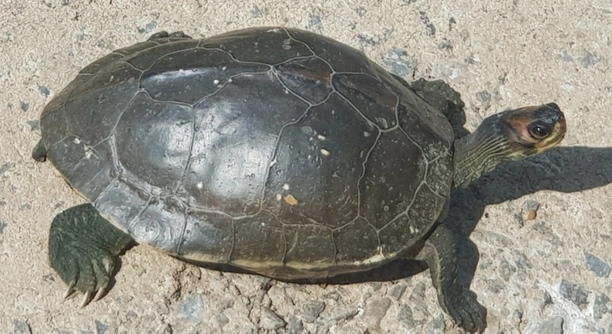
Have you noticed your Indian Roofed Tortoise stretching its neck often? This behavior can be intriguing, and it’s not always easy to figure out why. It’s important to observe the context and see if there are any changes in its routine.
Your tortoise may stretch its neck due to various reasons, such as curiosity, an attempt to get a better view, or a natural stretching habit. It could also be a sign of discomfort or stress, depending on the situation.
Understanding the reasons behind this behavior will help you ensure your tortoise stays healthy and happy. It’s essential to monitor its surroundings and make adjustments to improve its well-being.
Possible Causes for Neck Stretching
Indian Roofed Tortoises are curious creatures, and their neck-stretching habit is often a sign of this curiosity. When they extend their neck, they could be trying to get a better view of their surroundings. Tortoises rely on their senses to explore, so stretching their neck helps them scan their environment. Another reason for neck stretching could be to feel out changes in the temperature or humidity. These environmental changes may cause the tortoise to adjust itself, making it more alert to potential shifts in its habitat.
In addition to curiosity and environmental sensitivity, neck stretching can also be an instinctive way for your tortoise to stretch and relieve tension in its neck and shoulders. Regular stretching can help maintain muscle health and flexibility.
If your tortoise seems to stretch its neck frequently, it’s likely nothing to worry about. However, observe whether this behavior happens in certain circumstances, such as after being in one position for too long or when exploring new areas of its enclosure.
Stress and Discomfort
Stretching the neck can also be a response to stress or discomfort.
Tortoises often exhibit signs of stress when they feel threatened, anxious, or uncomfortable in their environment. If there have been recent changes in its surroundings, like a new pet, loud noises, or a change in habitat conditions, your tortoise might stretch its neck as a sign of unease. They may also stretch their neck after being moved or handled.
Changes in diet or a sudden shift in routine can also make your tortoise feel unsettled. To help alleviate stress, ensure that its habitat is stable and that it’s not being overexposed to disturbances. Providing a consistent environment can help the tortoise feel secure. Also, avoid excessive handling, as tortoises are sensitive to changes in their environment. Maintaining a peaceful and routine setting will go a long way in reducing stress-related behaviors.
Neck Stretching Due to Overheating
If your tortoise’s habitat is too warm, it may stretch its neck as a way to cool down.
Indian Roofed Tortoises are sensitive to temperature. If the enclosure is too hot, stretching the neck allows them to get closer to cooler air or to adjust their posture for better ventilation. This behavior can be a sign that the heat is becoming uncomfortable. Check the temperature in their enclosure regularly. It should stay within a safe range, typically between 75-85°F. If it’s too hot, move the heat source or provide more shade.
Excessive warmth can lead to stress and dehydration, which are harmful to your tortoise’s health. Ensure that the enclosure has proper airflow and avoid placing it in direct sunlight for too long. A thermometer placed at different points in the habitat can help monitor the temperature. A cooler area where the tortoise can retreat to will also encourage it to regulate its body temperature more effectively.
Lack of Space and Movement
Tortoises need room to move, and if their space is too small, it may lead to repetitive behaviors like neck stretching.
A cramped environment makes it harder for your tortoise to move naturally, which can cause restlessness and discomfort. Tortoises in smaller enclosures are more likely to stretch their neck to try to reach areas that would be more accessible in a larger space. If your tortoise seems to stretch frequently and appears to lack room to roam, consider upgrading its enclosure to give it more freedom to explore. This will not only reduce the stress but also allow your tortoise to stay active and healthy.
Ensuring your tortoise has a spacious habitat is essential. It allows for proper exercise, helps maintain muscle health, and encourages natural behaviors like foraging and exploring. Larger enclosures also promote a healthier lifestyle, reducing the likelihood of stress-induced habits such as constant neck stretching.
Health Issues and Neck Stretching
Health problems can also lead to neck stretching.
If your tortoise is stretching its neck more than usual, it might be a sign of discomfort or pain. Conditions like respiratory infections, injuries, or even parasites can cause discomfort that results in abnormal neck movements. Pay attention to other signs, such as changes in eating habits or lethargy.
If you notice unusual behavior alongside neck stretching, it’s best to consult a vet. A vet can determine if your tortoise is dealing with an infection or injury and recommend treatment. Early intervention can help prevent serious complications and improve your tortoise’s health quickly.
Changes in Lighting
Lighting plays a significant role in your tortoise’s well-being.
Incorrect or inadequate lighting can cause discomfort and unnatural behavior. A lack of UVB light may result in your tortoise feeling disoriented, and they might stretch their neck to adjust to their environment. UVB light is essential for their calcium absorption and overall health. Without it, your tortoise may develop health problems that cause them to behave unusually. Make sure to provide the right kind of lighting, such as a UVB bulb, to mimic natural sunlight.
Dehydration and Neck Stretching
If your tortoise isn’t getting enough water, it may stretch its neck.
Dehydration is common in reptiles, especially if they are not provided with a humid environment or enough water. Tortoises will stretch their neck in an attempt to drink from available water sources. Make sure fresh water is available and that the humidity levels in the enclosure are maintained to keep your tortoise hydrated. This small change can help prevent the neck-stretching behavior caused by thirst.
FAQ
Why does my tortoise keep stretching its neck?
Tortoises, including the Indian Roofed Tortoise, often stretch their necks as a way to explore their environment, look around, or get a better view. It’s a natural behavior that helps them stay alert to their surroundings. Sometimes, stretching the neck is simply part of their daily routine to stay flexible or relieve tension. However, if it’s happening excessively, it might be due to stress, discomfort, or environmental issues like overheating or inadequate space. It’s important to observe your tortoise’s behavior to determine if any changes in its environment are needed.
Is neck stretching always a sign of stress?
No, neck stretching isn’t always a sign of stress. It’s actually quite normal for a tortoise to stretch its neck when exploring or relaxing. However, if your tortoise appears restless, seems uncomfortable, or is stretching its neck in an agitated manner, it could be related to stress. Stress can be caused by environmental changes, too much handling, or even a new pet in the home. Keep an eye on the overall behavior to spot signs of distress.
How can I tell if my tortoise is in pain or stretching its neck due to injury?
If your tortoise stretches its neck more than usual and shows signs like limping, favoring one side, or not moving as actively, it could be in pain. Pain from injuries can cause your tortoise to behave differently, such as stretching its neck in a way that seems unusual. If there’s any swelling or tenderness in the neck area or if it avoids certain movements, it’s a good idea to consult a vet. Early detection is key in preventing further discomfort.
Can poor diet lead to neck stretching in tortoises?
Yes, a poor diet can contribute to neck stretching. Tortoises need a balanced diet rich in calcium, fiber, and vitamins. Without proper nutrition, they may experience discomfort or health problems that could lead to behaviors like neck stretching. A lack of calcium can lead to shell deformities or weakened bones, which might cause your tortoise to stretch its neck in a way that signals pain. Providing a well-rounded diet with the right vitamins and minerals is essential for keeping your tortoise healthy.
Does neck stretching affect the health of my tortoise?
Generally, neck stretching doesn’t directly affect the health of your tortoise. However, if it’s a response to stress, dehydration, or poor living conditions, it could lead to health problems over time. For instance, stress can weaken the immune system, and inadequate humidity or temperature can affect your tortoise’s overall well-being. Ensure that your tortoise’s living environment is optimal, with proper lighting, temperature, and space, to avoid long-term health issues related to neck stretching.
Can neck stretching be a sign of dehydration?
Yes, dehydration is a possible reason for neck stretching. If your tortoise is dehydrated, it may stretch its neck in an attempt to get a drink or find moisture. Dehydration can lead to other health problems as well, such as lethargy or difficulty moving. To prevent dehydration, provide fresh water regularly and ensure that humidity levels are correct in the enclosure. A misting system can also help maintain moisture in the air.
How do I know if my tortoise is stretching its neck because of temperature issues?
If your tortoise is stretching its neck in an attempt to cool down or find a more comfortable position, temperature could be the issue. Too much heat can make your tortoise feel uncomfortable, causing it to stretch its neck to reach cooler air or change its posture. Ensure your tortoise’s enclosure stays within the recommended temperature range. Too much heat can lead to stress and dehydration, so make sure the habitat has a cooler area for the tortoise to retreat to when needed.
What should I do if my tortoise keeps stretching its neck?
First, assess your tortoise’s environment. Check the temperature, humidity, and size of the enclosure. If you notice any signs of discomfort, such as changes in appetite or behavior, make sure it’s not dealing with stress or health issues. Providing a stable environment with enough space and access to water can often resolve this behavior. If neck stretching persists or seems excessive, consider consulting a vet to rule out any underlying health concerns.
Can my tortoise stretch its neck too much?
While neck stretching is a normal part of a tortoise’s behavior, excessive stretching could be a sign of underlying problems. Overstretching could indicate discomfort or stress, especially if it’s happening continuously throughout the day. Pay attention to other signs like changes in eating habits, activity levels, or mood. If you’re concerned, a vet visit will help determine if there is any health issue causing the behavior.
What’s the best way to care for a tortoise that stretches its neck a lot?
Provide your tortoise with a stable, stress-free environment. Make sure its habitat has the right temperature, humidity, and space for it to move comfortably. Check its diet to ensure it’s balanced and that your tortoise is staying hydrated. Avoid handling it too much, as this can increase stress. If neck stretching continues, a check-up with a vet is recommended to rule out health concerns or injuries.
Final Thoughts
Neck stretching in an Indian Roofed Tortoise is generally a natural behavior and part of their routine. It could be a sign of curiosity, relaxation, or an attempt to better understand their surroundings. This kind of movement helps them explore their environment and stay aware of their surroundings, which is crucial for their safety and comfort. It can also be a way for them to stay flexible and stretch their muscles. However, it’s important to observe how often the tortoise stretches its neck and the context in which it happens. If it becomes excessive or seems unnatural, it could indicate other issues like stress, discomfort, or health problems.
When observing neck stretching, always consider the overall environment. Temperature, space, and humidity all play a role in your tortoise’s comfort and behavior. If the habitat is too hot or too small, it may cause your tortoise to stretch its neck more frequently in an attempt to cool down or find more room to move. A stable environment with the right temperature range, adequate space, and proper humidity levels is essential for your tortoise’s well-being. These simple adjustments can help reduce stress and discomfort, which might be contributing to the neck-stretching behavior.
If neck stretching continues despite environmental changes or if other signs of discomfort or illness are noticed, it’s crucial to consult a vet. A veterinarian can assess whether there is an underlying health issue, such as a respiratory infection or injury, that may be causing the tortoise to stretch its neck more than usual. Overall, paying attention to the signs your tortoise is giving you, including neck stretching, will help ensure its long-term health and comfort. By making sure your tortoise’s habitat is well-maintained and checking in on its health regularly, you can keep your pet happy and healthy.

Hello,
If you enjoy the content that we create, please consider saying a "Thank You!" by leaving a tip.
Every little bit helps us continue crafting quality advice that supports the health, happiness, and well-being of pets around the world, for pets of all shapes, sizes, and species.
We really appreciate the kindness and support that you show us!