
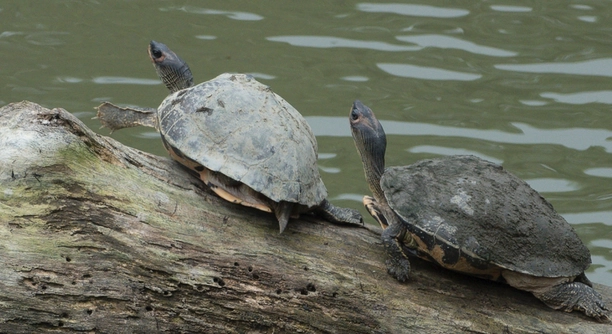
Indian Roofed Tortoises are often picky eaters, especially when it comes to greens. As a pet owner, you might face the challenge of encouraging them to enjoy a diet rich in vegetables.
To help your Indian Roofed Tortoise eat more greens, you can try offering a variety of vegetables, using attractive presentation, and making sure they are fresh. Ensuring proper habitat conditions and avoiding overfeeding of other foods will also encourage better eating habits.
In this article, we’ll explore simple and effective ways to boost your tortoise’s interest in greens, ensuring they stay healthy and nourished.
Offer a Variety of Greens
Indian Roofed Tortoises tend to enjoy some greens over others. To encourage them to eat more, it’s important to offer a variety. You can try leafy vegetables like kale, dandelion greens, and collard greens. These are not only healthy but also high in fiber, which is essential for their digestive health. Variety helps keep things interesting for your tortoise, making them more likely to explore new foods. The key is to introduce new options slowly so your tortoise doesn’t become overwhelmed.
It’s essential to chop the greens into bite-sized pieces to make them easier to eat. This also prevents any food from going to waste and ensures that your tortoise can enjoy each meal without difficulty.
Feeding your tortoise a variety of greens also helps ensure they get a range of essential nutrients. Offering different vegetables gives them the opportunity to receive vitamins like A and C, which promote healthy shell growth and immune function. The right mix of greens will help you avoid imbalances and ensure your tortoise gets the best nutrition possible.
Make Greens Visually Appealing
When it comes to food, presentation matters. Tortoises are visually stimulated creatures, and the way their food is presented can make a difference.
You can try arranging the greens in an interesting pattern or mixing them with flowers like hibiscus or dandelions. The visual appeal can attract their attention, making the greens more enticing. Additionally, you can sprinkle a small amount of calcium powder over the greens to add extra nutrients. The added texture and color may intrigue your tortoise and encourage them to nibble more.
By paying attention to how you serve your tortoise’s greens, you help them feel more comfortable and interested in eating. Just like us, they might enjoy a little variety in how their meals are presented.
Use Fresh Greens
Freshness matters when offering greens to your Indian Roofed Tortoise. If the greens are wilting or old, your tortoise may avoid them. Always select the freshest leaves available and wash them thoroughly to remove any pesticides.
You can even try offering them fresh greens right after they’ve been picked. The scent and texture of freshly harvested vegetables are often more appealing to your tortoise, encouraging them to take a bite. Regularly check the greens for signs of spoilage and remove any pieces that are no longer fresh. The fresher the greens, the more likely your tortoise will eat them.
To add more appeal, you could offer greens directly from your garden if possible. Tortoises enjoy eating natural food sources, and it can spark their interest. Fresh food encourages healthier eating habits and supports your tortoise’s overall wellbeing.
Limit Other Food Sources
If your tortoise is eating a lot of other foods, it could be less interested in its greens. Overfeeding other items, especially fruits or high-protein foods, can spoil your tortoise’s appetite for leafy greens.
Limiting the quantity of other food sources and ensuring they’re getting the proper diet can help balance their nutrition. A healthy, controlled diet should focus primarily on high-fiber, low-protein greens. By reducing treats and other foods, your tortoise will learn to rely more on their greens for nourishment.
A balanced diet can also help prevent health issues like obesity or shell deformities, so keeping track of the right food portions is essential. Regularly adjust the food quantities to encourage your tortoise to consume more greens for optimal health.
Keep the Habitat Comfortable
The environment plays a significant role in your tortoise’s eating habits. If their habitat is too hot, too cold, or uncomfortable, they may be less likely to eat.
Maintain a proper temperature range in their enclosure. Indian Roofed Tortoises thrive in warm environments, ideally between 75-85°F during the day. If the temperature is not suitable, your tortoise may feel stressed and lose interest in food, including greens. Ensure that there is a warm basking area and a cooler area in the habitat. This will help your tortoise stay active and encourage better eating.
Proper lighting and humidity are also important for your tortoise’s health and appetite. Using UVB lighting helps them absorb calcium, which is crucial for shell growth and overall health. Keep the habitat clean, too, to prevent any unpleasant odors that could deter your tortoise from eating.
Try Hand-Feeding
Hand-feeding can make a big difference when it comes to encouraging your tortoise to eat greens. Some tortoises may feel more comfortable eating directly from your hand.
Offering food this way helps create trust between you and your tortoise. Slowly, they may begin associating you with food, making them more likely to take a bite of those greens. It can also give you the opportunity to offer a variety of vegetables in smaller, manageable pieces.
Offer Greens at Different Times of Day
Sometimes timing is everything. Offering greens at various times of the day can make a difference in your tortoise’s appetite.
Try offering fresh greens in the morning and then again in the late afternoon. This gives your tortoise the chance to eat when they feel most active and hungry. The added variety in feeding times can keep things interesting for your tortoise, promoting healthier eating habits.
FAQ
What types of greens should I offer to my Indian Roofed Tortoise?
Indian Roofed Tortoises enjoy a variety of leafy greens. Good options include dandelion greens, collard greens, kale, mustard greens, and hibiscus leaves. You can also provide other vegetables like zucchini, squash, and bell peppers. It’s important to offer a mix of greens to ensure a well-rounded diet. Avoid iceberg lettuce, as it has very little nutritional value and can cause digestive issues in large amounts. Always wash the greens thoroughly to remove any pesticides or dirt before offering them to your tortoise.
How often should I feed my Indian Roofed Tortoise greens?
You should offer fresh greens daily to your Indian Roofed Tortoise. They are herbivores and rely on a plant-based diet for proper nutrition. Along with greens, provide other types of vegetables and occasional treats, but the main focus should always be on leafy greens. Make sure to adjust the quantity based on your tortoise’s size and appetite. Younger tortoises may need more food than adults. Offer the greens in a way that mimics a natural grazing pattern, allowing them to eat as much as they like.
Can I feed my tortoise fruit along with greens?
Fruit can be offered as an occasional treat but should not be the main part of your tortoise’s diet. High-sugar fruits like watermelon, strawberries, and grapes can be enticing but should only make up about 5-10% of their overall food intake. Too much fruit can cause digestive issues and contribute to obesity. Stick to offering fruit once or twice a week to keep your tortoise’s diet balanced.
Why isn’t my Indian Roofed Tortoise eating the greens I offer?
There can be several reasons why your tortoise isn’t eating the greens you offer. It could be due to stress, incorrect environmental conditions, or simply that the greens are not fresh enough. Ensure that your tortoise’s habitat is comfortable with proper temperatures and lighting. If the greens aren’t fresh, they might not be as appetizing. Try offering a different variety of greens or presenting them in a more appealing way, such as hand-feeding. Overfeeding other foods, such as fruits or treats, can also cause your tortoise to lose interest in greens.
Should I worry if my tortoise refuses to eat greens?
If your tortoise refuses to eat greens for a short period, it’s usually not a major concern. However, if this persists for several days or weeks, it could be a sign of health issues, environmental stress, or an imbalance in their diet. Ensure they have access to fresh greens daily, and check their habitat conditions. If they continue to refuse food or show signs of lethargy, consult with a reptile veterinarian to rule out any underlying health problems.
How can I get my tortoise to eat more greens if it’s picky?
If your tortoise is picky about greens, start by offering a variety of options. Some tortoises may prefer certain greens over others, so it’s a good idea to experiment with different types until you find what they like. Try chopping the greens into smaller pieces or mixing them with edible flowers, such as dandelions or hibiscus, to add interest. You can also try hand-feeding them, as this may encourage them to eat more. Gradually reduce other food sources, such as fruits or treats, to increase their appetite for greens.
Can I feed my Indian Roofed Tortoise the same greens every day?
It’s best to vary the greens you offer your tortoise to ensure they get a full range of nutrients. While you can offer the same greens for a few days, rotating different types of leafy greens ensures that your tortoise receives a variety of vitamins and minerals. For example, you can rotate between dandelion greens, kale, collard greens, and mustard greens throughout the week. This variation mimics their natural diet and helps prevent nutritional imbalances.
Are there any greens that I should avoid feeding my tortoise?
Yes, some greens should be avoided. Iceberg lettuce, for example, offers very little nutritional value and can cause digestive upset. Additionally, spinach and beet greens contain high levels of oxalates, which can bind calcium and lead to health issues if fed in large quantities. Also, avoid feeding your tortoise any greens from plants that are toxic to them, such as ivy, rhubarb, or nightshades. Always do thorough research on the plants you plan to feed and ensure they’re safe for your tortoise to eat.
How can I make the greens more appealing to my tortoise?
To make greens more appealing to your Indian Roofed Tortoise, you can try chopping them into smaller, bite-sized pieces. Mixing in colorful, edible flowers like hibiscus, dandelions, or marigolds can also attract their attention. Some tortoises enjoy greens that are slightly wilted, so you can leave them out for a few hours before feeding them. You can also try hand-feeding the greens or placing them in different spots in their enclosure to encourage exploration and eating.
What should I do if my tortoise isn’t eating enough greens?
If your tortoise isn’t eating enough greens, start by ensuring they are getting the correct environmental conditions. Check the temperature and humidity levels in their habitat and make any necessary adjustments. Offer a variety of fresh greens and try presenting them in different ways, like mixing with flowers or hand-feeding. If your tortoise still isn’t eating, reduce other food sources to encourage their appetite for greens. If the issue persists, consult a reptile vet to ensure there are no underlying health concerns.
Final Thoughts
Encouraging your Indian Roofed Tortoise to eat more greens requires patience and consistency. By offering a variety of fresh, nutritious greens and making sure they are presented in a way that appeals to your tortoise’s natural instincts, you can help them develop healthier eating habits. Remember that every tortoise is different, so some trial and error may be needed to find what works best. Fresh greens like dandelion greens, kale, and collard greens are excellent choices to include in their diet, and it’s important to ensure they are always washed thoroughly and free from any harmful pesticides.
In addition to offering the right foods, the environment plays a big role in your tortoise’s eating habits. Maintaining a comfortable habitat with proper temperature, humidity, and lighting helps to reduce stress and makes it more likely that your tortoise will be interested in eating. A warm basking area is essential, as it encourages activity and healthy digestion. On the other hand, a cooler area should be available for when they need to rest. If the temperature or lighting is off, your tortoise may feel less inclined to eat, no matter how appealing the greens are.
Lastly, always monitor your tortoise’s behavior and eating patterns. If they’re not eating enough or seem uninterested in greens for extended periods, this could be a sign of an underlying health issue. Changes in appetite may also occur due to changes in the weather or other environmental factors. It’s important to address these issues promptly, and if necessary, consult with a veterinarian to ensure that your tortoise remains in good health. By maintaining a balanced diet, providing a proper environment, and being patient, you can help your tortoise develop the habit of eating more greens for a longer, healthier life.

Hello,
If you enjoy the content that we create, please consider saying a "Thank You!" by leaving a tip.
Every little bit helps us continue crafting quality advice that supports the health, happiness, and well-being of pets around the world, for pets of all shapes, sizes, and species.
We really appreciate the kindness and support that you show us!