
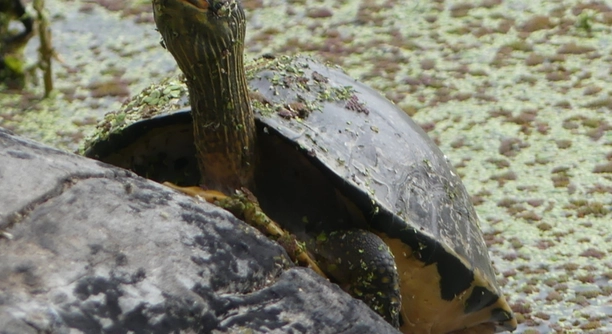
Tortoises are unique, slow-moving reptiles that require special care. As a pet owner, you may notice your Indian Roofed Tortoise frequently sleeping on its back. This unusual behavior can be concerning, and understanding its cause is important.
The primary reason an Indian Roofed Tortoise sleeps on its back is often due to health issues, such as a respiratory infection or problems with its shell. A tortoise may also flip over due to stress or improper environment.
Identifying the underlying cause can help improve your tortoise’s well-being and prevent any long-term harm. The following sections will explore what might be causing this behavior and how to address it effectively.
Common Health Problems That Can Cause Tortoises to Flip Over
Health problems are one of the most common reasons your Indian Roofed Tortoise might be found sleeping on its back. These health issues can range from respiratory infections to problems with its shell. A tortoise that flips itself over repeatedly might be suffering from something as simple as a minor injury or as serious as an internal infection. If your tortoise seems weak or unable to right itself, it could indicate a more severe problem. It’s essential to monitor for signs like labored breathing, discharge from the eyes or nose, or changes in appetite.
Respiratory infections are particularly common in tortoises kept in humid or improperly heated environments. This can cause them to lose strength, which might make it harder for them to flip back onto their feet. Problems with the shell, such as injury or shell rot, can also interfere with a tortoise’s ability to balance. Keeping an eye on these health indicators and seeking prompt veterinary care can help prevent further issues.
If you notice signs of illness, it’s best to consult a veterinarian experienced with reptiles. Early detection can lead to better recovery outcomes.
Environmental Stress and Its Impact on Your Tortoise
Environmental stress can significantly impact a tortoise’s behavior, making it more likely to spend time on its back. Poor housing conditions, such as inappropriate lighting or incorrect temperature, can weaken your tortoise, leading to flipping.
When your tortoise’s environment is not properly regulated, it might not feel secure or comfortable. These stress factors can cause your tortoise to flip over or struggle to get back on its feet. High stress from an uncomfortable habitat can even affect the tortoise’s general well-being. A proper habitat ensures your tortoise feels safe and healthy, reducing such behaviors.
Making simple adjustments to the environment, like ensuring the temperature is just right and providing hiding spaces, can reduce stress levels. It’s also important to offer a habitat that mimics the tortoise’s natural surroundings as closely as possible. By providing a proper environment, your tortoise will feel more secure, and behaviors like flipping over will decrease.
Improper Diet and Its Role in Tortoise Health
A poorly balanced diet can lead to various health problems for your tortoise, including the habit of sleeping on its back. If your tortoise lacks key nutrients, it may not have the strength or energy to right itself when flipped over. A lack of calcium, for example, can weaken bones and the shell, making it harder for the tortoise to move properly.
Tortoises need a diet rich in leafy greens, vegetables, and occasional fruits. A calcium supplement may be necessary, particularly if your tortoise is not getting enough from food. Offering the right food ensures your tortoise gets the nutrition it needs for healthy bone and shell development. An improper diet can lead to metabolic bone disease, where the bones weaken over time, contributing to the flipped-over behavior.
It’s important to avoid feeding your tortoise foods that are too high in fat or oxalates, as these can cause kidney problems. A balanced diet with plenty of variety and proper calcium intake supports its overall health and minimizes the chance of this concerning behavior.
Checking for Shell Damage
Shell damage can cause your tortoise to struggle with balance, leading to it sleeping on its back. If the shell is cracked or injured, it can disrupt the tortoise’s ability to move efficiently. Shell damage can result from accidents, improper handling, or environmental factors like rough surfaces in the habitat. When the shell is compromised, your tortoise may not be able to flip back over without help.
Shell rot is another condition to be aware of. If the shell has any soft spots, foul smell, or discolored areas, it may indicate a bacterial infection. In such cases, your tortoise might not only flip over but also seem lethargic and unwell. If your tortoise’s shell shows signs of damage, immediate veterinary intervention is necessary to prevent further complications.
A veterinarian can determine the severity of shell damage and suggest the appropriate treatment. Proper care, like avoiding rough surfaces and handling the tortoise gently, can help prevent future injuries.
Temperature and Lighting Issues
If your tortoise’s habitat is too hot or cold, it can lead to weakness and difficulty in flipping back over. Tortoises need a proper heat gradient to regulate their body temperature, so if the temperature is too extreme, they may become lethargic and vulnerable to flipping over.
A proper basking area with temperatures between 90-100°F and a cooler side around 75°F is ideal for your tortoise. Incorrect lighting can also cause stress and health issues. Without UVB lighting, your tortoise may suffer from calcium deficiency, weakening its bones and shell. Both temperature and lighting are crucial to your tortoise’s health.
Behavior During Mating Season
During mating season, tortoises often exhibit unusual behaviors. Males, in particular, can become overly active, which might lead them to flip over when chasing or trying to mount females. This behavior can occur more frequently during breeding seasons and might resolve once the season is over.
Increased aggression or erratic movements can result in flips, especially if the tortoise is stressed or struggling with mating. If your tortoise is showing these signs, providing a more relaxed and quiet environment can help. Avoiding overcrowding or excessive handling during this time also reduces the chances of such behavior.
Poorly Managed Stress Factors
Stress can have a direct impact on your tortoise’s well-being, contributing to flipping. Constant disruptions, such as loud noises or too much handling, can leave your tortoise feeling unsafe and insecure. If your tortoise is kept in a stressful environment, it might exhibit more passive behaviors, including flipping onto its back.
Offering a peaceful environment is essential. A hiding space, minimal interaction, and a calm atmosphere help your tortoise feel more comfortable. Constant stress weakens their immune system and can lead to physical issues that may cause them to flip over frequently.
FAQ
Why does my tortoise keep flipping onto its back?
Your tortoise may be flipping due to various reasons, such as poor health, stress, environmental issues, or dietary imbalances. Health problems, like respiratory infections or shell injuries, can weaken a tortoise, causing difficulty in righting itself. Environmental stress, including improper temperature or lighting, can also make a tortoise lethargic and more prone to flipping. Additionally, an improper diet lacking essential nutrients, like calcium, can weaken the bones and shell, making it harder for the tortoise to recover when flipped over.
How can I prevent my tortoise from flipping over?
Ensuring that your tortoise’s habitat is safe, secure, and well-maintained is key to preventing flipping. Keep the environment at the right temperature with a proper heat gradient, and provide UVB lighting to promote healthy shell growth. Monitor the humidity and make sure the tortoise has enough space to move freely. A balanced diet rich in calcium and essential nutrients will help keep the tortoise strong and able to right itself. Reducing stress in the environment is also crucial.
Is it normal for a tortoise to sleep on its back?
It’s not normal for a tortoise to sleep on its back. While they may occasionally flip over in the wild, they are usually able to get back on their feet. If your tortoise is frequently found on its back and unable to flip back, it could be a sign of a health problem or environmental stress. If the behavior continues, it’s essential to investigate the cause and take necessary action to ensure the well-being of your pet.
Can I fix a shell injury at home?
Minor shell injuries can sometimes be treated at home, but it’s always best to consult a veterinarian. If the injury is small and not bleeding heavily, you can clean the area gently with warm water, apply an antiseptic designed for reptiles, and keep the tortoise in a clean, dry environment. However, if the injury is deep, bleeding, or showing signs of infection (such as swelling or pus), you should immediately take your tortoise to the vet for professional treatment.
What should I feed my tortoise to avoid health problems?
A balanced diet rich in leafy greens, vegetables, and occasional fruits is crucial for your tortoise’s health. They need calcium to maintain a strong shell and bones, so be sure to include calcium-rich foods like dandelion greens, kale, and clover. Supplements may be needed if your tortoise is not getting enough calcium from its diet. Avoid high-fat foods and limit fruits to prevent obesity or kidney problems. Providing a variety of food ensures your tortoise gets all the necessary nutrients.
How can I make my tortoise’s habitat more comfortable?
Make sure your tortoise has access to a warm basking area, cooler shaded spots, and a hiding area to feel secure. The basking area should be heated to 90-100°F, while the cooler side of the habitat should be around 75°F. Ensure the habitat has proper UVB lighting, as this helps with calcium absorption and shell health. Keep the enclosure clean, with fresh water available at all times. Substrate should be safe and easy to clean, with enough space for the tortoise to move around.
Is it safe to handle my tortoise frequently?
Handling should be minimal to avoid causing stress to your tortoise. They are not social animals and may become stressed with frequent handling. However, short, gentle interactions are fine if they’re handled properly. Always support the tortoise’s body fully when lifting it and avoid rough or sudden movements. Handle them in a quiet, calm area to prevent overwhelming them with loud noises or excessive motion.
What are the signs of a respiratory infection in a tortoise?
Signs of respiratory infections in tortoises include wheezing, nasal discharge, labored breathing, and lethargy. If your tortoise is exhibiting any of these symptoms, it’s important to seek veterinary care immediately. Respiratory infections can be serious and may lead to further complications if left untreated. Proper humidity and temperature in their habitat are essential to prevent respiratory issues, as improper conditions can weaken their immune system.
Why does my tortoise dig constantly?
Digging is a natural behavior for tortoises. It helps them create a safe, comfortable spot to hide or sleep. If your tortoise is digging excessively, it could be trying to regulate its body temperature, looking for a place to nest, or it might be stressed. Ensure that your tortoise has enough space and hiding areas in its enclosure to satisfy its instinctual digging behavior.
How often should I clean my tortoise’s enclosure?
You should clean your tortoise’s enclosure regularly to maintain a healthy environment. Remove any uneaten food daily to avoid bacteria growth. Once a week, you should do a deeper cleaning, replacing the substrate and wiping down surfaces with reptile-safe disinfectants. Regular cleaning helps prevent the buildup of waste and bacteria, ensuring your tortoise stays healthy.
Final Thoughts
Tortoises are resilient creatures, but they require specific care to thrive. If you notice your Indian Roofed Tortoise frequently sleeping on its back, it’s essential to look into the cause. There are several factors that could be contributing to this behavior, such as health issues, stress, or an improper environment. By understanding the potential causes, you can make the necessary changes to support your tortoise’s well-being. A healthy tortoise should be able to move around freely and right itself if it flips over. If this is not happening, it’s a sign that something needs to be addressed.
Providing the right habitat is crucial for your tortoise’s health. Make sure its enclosure is appropriately heated, with a temperature gradient that allows it to regulate its body temperature. Proper lighting, especially UVB lighting, is also essential for a tortoise to process calcium and maintain strong bones and shell. Without the right temperature and lighting, a tortoise can become weak and lethargic, making it more likely to flip over and struggle to get back on its feet. Keeping the enclosure clean and providing a varied, balanced diet are also key factors in maintaining its overall health.
Lastly, monitoring your tortoise’s behavior closely can help you identify when something is wrong. If it continues to flip onto its back, seek veterinary advice to rule out health problems such as shell damage, infections, or metabolic bone disease. In some cases, changes in diet or the environment may be enough to resolve the issue. Always be proactive when it comes to your tortoise’s care. By taking small steps to create a proper environment and addressing health concerns early, you can ensure that your tortoise remains healthy and comfortable in its home.

Hello,
If you enjoy the content that we create, please consider saying a "Thank You!" by leaving a tip.
Every little bit helps us continue crafting quality advice that supports the health, happiness, and well-being of pets around the world, for pets of all shapes, sizes, and species.
We really appreciate the kindness and support that you show us!