
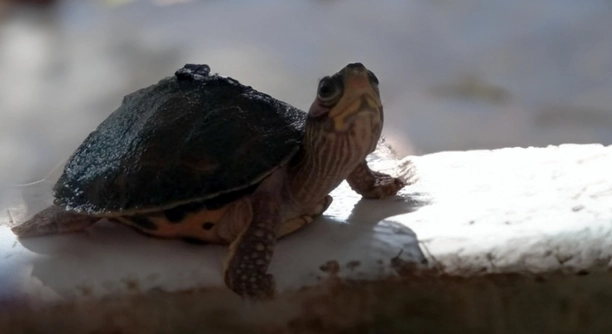
If you have an Indian Roofed Tortoise, you may notice it scraping its beak on hard surfaces. This behavior can leave you wondering what it means and whether it’s something to be concerned about.
The scraping of an Indian Roofed Tortoise’s beak on hard surfaces is often related to natural grooming, health issues, or environmental factors. It could also be a sign of stress or an attempt to wear down its beak, which grows continuously.
Understanding the reasons behind this behavior can help you better care for your tortoise. By observing your tortoise’s environment and health, you can ensure its well-being and provide the right conditions for it to thrive.
Natural Beak Maintenance
Tortoises, including the Indian Roofed Tortoise, naturally need to maintain their beaks. In the wild, they wear them down by chewing on food and interacting with rough surfaces. This behavior helps keep the beak from growing too long, which could cause discomfort or prevent the tortoise from eating properly. Scraping the beak against hard surfaces is one way they attempt to manage this growth. This is a natural and healthy action when the tortoise has access to the right materials. In captivity, they may resort to this behavior if they don’t have enough natural objects to chew on.
Providing adequate space and safe objects for them to interact with can help. Things like natural rocks or branches are ideal. This also mimics their natural environment, allowing the tortoise to stay active and engaged. It’s essential to ensure they have a proper diet that also contributes to healthy beak growth.
If you notice this behavior occurring more often, it could be an indication that the environment or diet needs adjusting. A little observation can go a long way in preventing potential issues.
Stress or Discomfort
If your tortoise seems overly stressed, it may begin to scrape its beak more frequently.
Stress in tortoises can arise from various factors, including an improper habitat, loud noises, or lack of enrichment. Tortoises are sensitive creatures and need a stable, calm environment. If they feel threatened or uncomfortable, they may exhibit repetitive behaviors like beak scraping. Environmental changes can cause confusion or discomfort, leading them to seek control by scraping their beak against surfaces.
Making sure your tortoise feels safe in its habitat is crucial. Ensure that the tank has enough space, proper heating, and hiding spots to reduce stress. If the behavior continues, it’s a good idea to evaluate its surroundings and make necessary adjustments. A tortoise that feels comfortable and secure will be less likely to show signs of stress, including excessive beak scraping.
Diet and Nutrition
A poor diet can also lead to unusual behaviors, including excessive beak scraping. If your tortoise isn’t getting the right nutrients, it might try to correct its beak on hard surfaces. Essential minerals and vitamins, especially calcium, are crucial for maintaining a healthy beak. Lack of proper food can lead to beak issues.
The diet of an Indian Roofed Tortoise should include a variety of leafy greens, grasses, and some vegetables. Offering high-quality tortoise pellets can also supplement its nutrition. If they are lacking essential nutrients, they may become more inclined to engage in behaviors like scraping. A well-balanced diet supports all aspects of their health, including their beak.
Calcium is especially important for these tortoises, as it helps in beak growth and maintenance. Without adequate calcium, the beak can grow too long or unevenly, causing your tortoise to scrape it on hard surfaces more often. A proper diet ensures your tortoise doesn’t need to rely on such behaviors to maintain its beak.
Environmental Enrichment
A lack of stimulation or proper enrichment can contribute to unwanted habits in tortoises, like excessive beak scraping. When they don’t have enough to explore or interact with, they may resort to repetitive actions as a way to pass the time or relieve boredom.
Ensuring your tortoise has a stimulating environment can help prevent such behavior. Adding safe, natural objects like rocks, logs, or hideaways encourages them to explore and interact. These additions mimic the tortoise’s natural surroundings, allowing it to engage in its natural behaviors. Without these, your tortoise may begin using its beak on hard surfaces as a substitute for more enriching activities.
Giving your tortoise room to roam and objects to interact with will also promote physical activity, leading to better overall health. This simple change in their environment can help reduce stress and unnecessary behaviors, keeping your tortoise happy and healthy.
Health Problems
If your tortoise is scraping its beak excessively, it might be dealing with a health issue. This can include problems like infections, beak deformities, or even parasites. A veterinarian should be consulted if this behavior is new or persistent.
Infections or deformities can cause discomfort, leading your tortoise to scrape its beak against surfaces. Beak overgrowth or injuries can also affect its ability to feed properly. These health problems are best diagnosed and treated by a professional. Regular check-ups can help identify and address potential issues early.
Overgrown Beak
Sometimes, an overgrown beak is the main reason your tortoise scrapes its beak. A tortoise’s beak needs regular trimming if it doesn’t wear down naturally. This is especially true if they are in captivity without natural objects to help wear it down.
If you notice the beak growing too long or becoming uneven, it’s important to seek professional help. A veterinarian can safely trim the beak to restore proper function and prevent further scraping. Keeping an eye on your tortoise’s beak length is a key part of its overall care.
Habitat Conditions
If your tortoise’s habitat isn’t optimal, it can lead to excessive beak scraping. Inadequate humidity, temperature, or lighting can cause stress or discomfort, which may result in this behavior.
Ensure the habitat is well-maintained with the right temperature and humidity levels. Your tortoise should have access to areas for basking, hiding, and grazing. If the conditions aren’t ideal, your tortoise could become stressed, leading to undesirable behaviors like scraping its beak.
FAQ
Why is my Indian Roofed Tortoise scraping its beak?
Your tortoise could be scraping its beak for a variety of reasons. Most commonly, it’s related to natural beak maintenance, where the tortoise wears down its beak by interacting with surfaces. Tortoises in the wild typically wear down their beaks by chewing on food or objects like rocks, so if they lack these in captivity, they may resort to scraping their beak. Another reason could be stress or discomfort, which might lead to repetitive behaviors such as this. Lastly, it may be due to a health problem or an overgrown beak that requires trimming.
Is beak scraping a sign of stress?
Yes, scraping could be a sign of stress. If your tortoise feels uncomfortable in its environment, it may use repetitive actions to cope. Stress can result from poor habitat conditions, loud noises, or lack of hiding spots. Providing a calm and secure space can help reduce this stress. Check if there are any environmental factors like temperature or lighting that could be affecting your tortoise.
How can I stop my tortoise from scraping its beak?
To prevent excessive beak scraping, start by improving its environment. Ensure it has enough space, safe objects to interact with, and a proper diet. Providing natural surfaces like rocks or branches can encourage healthy beak wear. If the beak is overgrown, a veterinarian may need to trim it. Also, maintaining the right temperature, humidity, and lighting levels will help reduce stress. If the behavior persists despite these changes, consult a vet to rule out health issues.
Can beak scraping be a sign of a health issue?
Yes, health problems such as infections, parasites, or beak deformities can cause scraping. If the beak becomes uneven or overgrown, your tortoise may scrape it to alleviate discomfort. If the scraping is excessive and persistent, a vet check-up is recommended. Sometimes, beak deformities or infections require professional treatment to ensure your tortoise remains healthy.
How often should I trim my tortoise’s beak?
If your tortoise’s beak is naturally worn down through chewing and foraging, you may not need to trim it. However, if it starts to overgrow, it will need trimming. The frequency of trimming depends on the tortoise’s diet and environment. Captive tortoises that don’t have natural objects to chew on might need more frequent trims. Regular check-ups with a vet can help determine when trimming is needed.
What kind of diet should I feed my Indian Roofed Tortoise?
A healthy diet for an Indian Roofed Tortoise consists mainly of leafy greens, grasses, and some vegetables. Provide a variety of high-fiber plants, such as dandelion greens, clover, and collard greens. Tortoise pellets can be used to supplement their diet, but they should not be the primary food source. Calcium is important for healthy beak and shell development, so consider adding a calcium supplement to their diet if needed. Avoid feeding them fruits too often as they are high in sugar and can cause digestive issues.
What can I do to enrich my tortoise’s environment?
To enrich your tortoise’s environment, include natural objects like rocks, logs, and branches for climbing, hiding, and foraging. You can also provide plants for grazing and digging. Creating a varied and spacious habitat will encourage your tortoise to explore, reducing boredom and stress. Ensure the temperature and humidity are appropriate, and provide hiding spots to make your tortoise feel safe and secure. Enrichment is key to a healthy, happy tortoise.
Is it normal for my tortoise to scrape its beak on hard surfaces occasionally?
Yes, occasional beak scraping is normal, especially if your tortoise has access to rough surfaces. This behavior helps maintain its beak by wearing it down. If it’s a regular, mild occurrence, it’s likely not a concern. However, if the scraping becomes excessive or is accompanied by other signs like loss of appetite or difficulty eating, it’s best to consult a vet.
Should I be concerned if my tortoise’s beak is overgrowing?
Overgrown beaks can be a concern if they prevent your tortoise from eating properly or cause discomfort. If you notice that your tortoise’s beak is growing too long or uneven, it may need to be trimmed. This can happen if they don’t have enough natural objects in their environment to wear it down. A veterinarian can safely trim the beak to restore proper function.
How can I tell if my tortoise is stressed?
Signs of stress in tortoises can include excessive beak scraping, hiding more than usual, not eating, or being more aggressive. Changes in behavior or an increase in repetitive actions like scraping might indicate stress. It’s important to monitor its environment for any changes, such as temperature fluctuations, new animals, or loud noises. A comfortable and secure habitat can help reduce stress.
What type of surface is best for my tortoise to interact with?
The best surfaces for your tortoise to interact with are natural, rough materials like rocks, wood, and branches. These mimic the tortoise’s natural environment and help wear down the beak naturally. Avoid smooth surfaces like plastic, as they don’t provide the necessary friction for beak maintenance. Ensure that the materials you choose are safe for the tortoise and won’t cause injury.
Can humidity affect my tortoise’s behavior?
Yes, humidity can have an impact on your tortoise’s behavior. If the humidity is too low, it can cause discomfort and lead to stress, which may result in behaviors like excessive beak scraping. On the other hand, too much humidity can lead to health issues like respiratory infections. Aim for the appropriate humidity level based on your tortoise’s species and environment. Regularly check and adjust the humidity to ensure your tortoise is comfortable.
Final Thoughts
Understanding why your Indian Roofed Tortoise scrapes its beak on hard surfaces can help you address the behavior effectively. While it’s normal for tortoises to scrape their beaks to maintain them, excessive scraping may indicate an issue. It’s important to observe if the behavior is tied to the tortoise’s environment, diet, or health. If your tortoise is scraping its beak frequently, it’s worth checking the habitat conditions, including temperature, humidity, and the availability of things like rocks and branches for natural wear. Ensuring your tortoise has a proper, balanced diet with enough calcium and fiber can also play a big role in preventing beak issues.
If your tortoise’s beak scraping seems unusual or persistent, it might be time to consider other factors. Stress, boredom, or discomfort can cause a tortoise to scrape its beak more often than usual. Providing a comfortable, calm space with plenty of enrichment can help reduce this behavior. Offering things like hiding spots, natural objects to explore, and a proper diet may relieve stress and help your tortoise feel more at ease. Remember, tortoises are creatures of habit, and any sudden changes in their environment or routine can lead to stress, so consistency is key.
However, it’s important to not overlook potential health issues. If your tortoise is scraping its beak due to an overgrown or damaged beak, or if there are other signs like difficulty eating or swelling, it’s best to consult a veterinarian. Professional care can prevent further complications and ensure that your tortoise stays healthy. Keeping a close eye on your tortoise’s habits and seeking help when needed will ensure that your pet leads a long, healthy life. By addressing any underlying causes, whether environmental, nutritional, or health-related, you can help your Indian Roofed Tortoise thrive.

Hello,
If you enjoy the content that we create, please consider saying a "Thank You!" by leaving a tip.
Every little bit helps us continue crafting quality advice that supports the health, happiness, and well-being of pets around the world, for pets of all shapes, sizes, and species.
We really appreciate the kindness and support that you show us!