
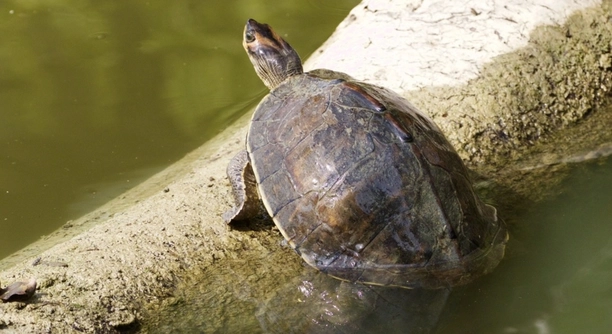
Taking care of your Indian Roofed Tortoise means making sure its tank is clean and dry. Choosing the right substrate can make a big difference in maintaining a healthy environment for your pet.
To keep an Indian Roofed Tortoise’s tank dry and clean, it’s essential to select a substrate that absorbs moisture, controls odors, and allows for easy cleaning. Some substrates offer better drainage and help maintain the correct humidity levels.
Choosing the right substrate for your tortoise’s habitat ensures comfort and cleanliness, benefiting both the tortoise and you.
Coconut Husk Chips
Coconut husk chips are a popular choice for tortoise tanks because they offer excellent moisture retention while preventing excess humidity. This substrate is also environmentally friendly, as it is made from the outer shell of coconuts. It provides a soft surface for your tortoise to walk on, mimicking its natural environment. Coconut husk chips are easy to clean and replace, making maintenance simple. The chips absorb odors effectively, keeping the tank fresh. Since they are lightweight, it’s easy to spot clean and remove waste from the tank.
This substrate works well when combined with other materials, like sand or clay, to give your tortoise a varied texture for better mobility.
Coconut husk chips are an affordable, eco-conscious option for keeping your tortoise’s tank dry and clean. They help maintain the right balance of moisture and prevent mold growth, offering a safe and comfortable environment for your pet. Whether you’re new to tortoise care or have years of experience, coconut husk chips are an excellent choice.
Sand
Sand is another common substrate for tortoise tanks. It can help keep the tank dry and provides a natural feel. The downside is that it requires regular maintenance to prevent it from becoming too dusty or compacted.
While it’s simple to clean and provides a comfortable surface for your tortoise, it’s crucial to use fine, non-calcium sand to avoid digestion issues. It’s best to mix it with other materials like soil to help with moisture control.
ReptiChip
ReptiChip is a coconut-based substrate that offers great moisture retention while maintaining dryness at the same time. It helps prevent the growth of harmful bacteria and is safe for your tortoise. This substrate is also odor-controlling, keeping your pet’s tank smelling fresh.
Its natural structure allows air circulation, making it a breathable option that ensures proper humidity levels. ReptiChip is also soft and gentle on your tortoise’s feet. Cleaning it is easy, as you can scoop out waste and spot clean it regularly. Since it’s made from 100% coconut material, it’s an eco-friendly choice that’s great for the environment.
ReptiChip is an excellent choice for tortoise owners who want to keep the tank clean while providing a comfortable environment. It’s easy to replace and long-lasting, making it both practical and affordable. If you want a substrate that minimizes odor and maintains proper moisture levels, ReptiChip can be a great addition to your tortoise’s habitat.
Zoo Med Excavator Clay
Zoo Med Excavator Clay is perfect for creating a natural environment for your tortoise. It offers a great balance of moisture retention and dryness. This substrate is versatile because it allows you to create tunnels and burrows, giving your tortoise a chance to dig and explore.
While it’s heavier than other substrates, Zoo Med Excavator Clay is easy to clean and maintain. It doesn’t mold or attract unwanted bacteria, so it’s safe for your pet. You can shape the clay into any design you prefer, which is a fun way to enhance your tortoise’s enclosure. Just be sure to replace the substrate every few months for best results.
Cypress Mulch
Cypress mulch is a great substrate for tortoises, as it absorbs moisture effectively and helps maintain a dry, comfortable environment. It’s made from natural wood, making it both safe and eco-friendly. This mulch also prevents odors from lingering in your tortoise’s tank.
It’s easy to spot clean and doesn’t require frequent replacement. Cypress mulch also helps maintain the correct humidity levels without making the tank too damp. However, ensure you don’t use mulch that’s treated with pesticides, as it could harm your tortoise.
Grass Hay
Grass hay, like timothy or orchard grass, can be a soft and comfortable substrate for tortoises. It provides a natural feel, encouraging your pet to dig and forage, which is beneficial for its well-being.
Hay also helps absorb moisture and prevents excessive humidity, keeping the tank dry and clean. While it’s not as durable as some other substrates, hay can be replaced easily and works well when mixed with other materials to maintain the perfect balance of moisture and dryness.
FAQ
What is the best substrate for an Indian Roofed Tortoise?
The best substrate for an Indian Roofed Tortoise is one that can absorb moisture while maintaining a dry environment. Coconut husk chips, cypress mulch, and ReptiChip are all excellent choices. These substrates control humidity and odor while offering a natural, soft surface for your tortoise to walk on. The key is to avoid overly damp or dusty materials, as they can affect your tortoise’s health.
How often should I change the substrate in my tortoise tank?
Substrates like coconut husk chips or ReptiChip can last several months before needing a complete change. However, it’s essential to regularly spot clean the tank, removing waste and soiled sections. This keeps the habitat hygienic for your tortoise. If you use organic materials, like hay, it should be replaced more often. Check the substrate for odors or mold growth, which could indicate it needs a full replacement.
Can I use sand as a substrate for my tortoise?
Yes, sand can be used as a substrate for your tortoise, but it’s important to use fine, dust-free sand to avoid digestive problems. Coarse sand can be difficult to clean, and the dust may cause respiratory issues. Sand is best when mixed with other substrates like soil or coconut husk to ensure it maintains a dry and clean environment.
What type of sand is safe for tortoises?
The safest sand for tortoises is play sand or fine, non-calcium sand. Avoid calcium-based sand, as it can lead to health issues if ingested in large quantities. The sand should also be dust-free to prevent respiratory problems. Mixing the sand with other substrates helps prevent it from becoming too dry or compacted.
How do I keep my tortoise tank dry?
To keep the tank dry, choose substrates that absorb moisture without retaining too much humidity. Coconut husk chips, ReptiChip, or cypress mulch all have good moisture-absorbing properties while allowing airflow. Be sure to spot clean regularly to prevent moisture buildup and prevent any mold or bacteria growth. Use a water dish that is shallow and easily cleaned to avoid excess water spilling into the substrate.
Is it necessary to add a heat source to my tortoise’s tank?
Yes, a heat source is necessary for maintaining a proper temperature for your Indian Roofed Tortoise. Tortoises are cold-blooded, and they need access to a basking area with a temperature of around 90°F. The rest of the tank should be cooler, around 75°F. A heat lamp or ceramic heat emitter can provide the necessary warmth, but it’s important to avoid hot spots in the tank.
How can I prevent odors in my tortoise’s tank?
To prevent odors, ensure the substrate is moisture-wicking and not overly damp. Materials like ReptiChip or coconut husk chips are good at absorbing moisture and controlling odors. Spot cleaning the tank regularly and removing waste will also help maintain a fresh environment. If the tank begins to smell, it may indicate the substrate needs to be replaced, or that there’s too much moisture buildup.
Can I use bark or wood chips in my tortoise tank?
Bark or wood chips can be used, but it’s essential to choose non-toxic, natural wood types. Cedar and pine should be avoided because their oils can harm reptiles. If using wood chips, ensure that they don’t trap moisture or become overly compacted. Hardwood, like oak or maple, is usually safer and works better for controlling humidity.
What is the best way to clean the substrate?
The best way to clean substrate is by regularly removing waste and soiled sections. For substrates like coconut husk chips, you can spot clean with a scoop or rake. If using sand or soil, sift through to remove waste. For a deep clean, you can replace a portion of the substrate every few months to maintain a fresh environment.
Can I use soil as a substrate for my tortoise?
Yes, soil can be used, but it should be non-clay, non-toxic, and free of fertilizers or chemicals. Mixing soil with other materials, like coconut husk chips or sand, helps with drainage and moisture control. Soil can also encourage burrowing behavior, which is natural for tortoises, but it must be kept dry and clean to prevent mold or bacteria.
Final Thoughts
Choosing the right substrate for your Indian Roofed Tortoise is essential to creating a healthy and comfortable environment. The best substrates balance moisture absorption and ventilation, helping to maintain the right humidity and dryness. Materials like coconut husk chips, ReptiChip, and cypress mulch are great options, as they are soft, easy to clean, and naturally control odors. Mixing different substrates, like sand or soil, can also help create a more natural environment for your tortoise. The key is to avoid substrates that are too dusty or damp, as they can cause respiratory or health issues for your pet.
Regular maintenance is an important part of keeping your tortoise’s tank in good condition. Spot cleaning, removing waste, and replacing soiled substrate regularly will help maintain a clean habitat. Even with the right substrate, it’s essential to monitor humidity levels and temperature in the tank. Providing a proper heat source and ensuring the tank stays dry will help avoid mold growth and unpleasant odors. Always check your tortoise’s environment for any signs of discomfort, and make adjustments as needed to keep the habitat optimal.
Ultimately, the right substrate for your tortoise depends on your personal preferences and your pet’s specific needs. Consider factors like ease of cleaning, moisture control, and comfort when making your choice. With the right materials and proper maintenance, your tortoise’s tank will stay dry, clean, and comfortable, providing a healthy environment for your pet to thrive.

Hello,
If you enjoy the content that we create, please consider saying a "Thank You!" by leaving a tip.
Every little bit helps us continue crafting quality advice that supports the health, happiness, and well-being of pets around the world, for pets of all shapes, sizes, and species.
We really appreciate the kindness and support that you show us!