
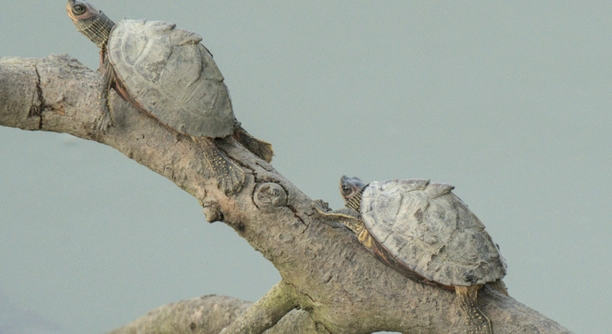
Indian Roofed Tortoises are fascinating creatures with specific dietary needs, especially when it comes to plants. It’s important to ensure that they consume only safe flowers to keep them healthy and happy.
Certain flowers are safe for Indian Roofed Tortoises, such as dandelions, hibiscus, and marigolds, while others can be toxic, like oleander, daffodils, and foxglove. Proper knowledge of these plants is vital to avoid harm.
By knowing which flowers are safe and which should be avoided, you can make informed decisions for your tortoise’s well-being. Understanding these facts helps keep your pet healthy and safe.
Safe Flowers for Indian Roofed Tortoises
Some flowers are perfect for your Indian Roofed Tortoise, offering both nutritional benefits and safety. Dandelions, for example, are rich in vitamins and minerals, making them a healthy option. You can feed them the entire plant, including the leaves, flowers, and roots. Hibiscus flowers are another safe and colorful choice. These blooms are often loved by tortoises for their vibrant petals and soft texture. Marigolds are also suitable, providing a good source of fiber and antioxidants. These flowers not only boost your tortoise’s health but can also brighten up its environment.
When offering safe flowers, make sure they have not been treated with pesticides or chemicals. Always pick flowers from clean, pesticide-free areas. Organic options are often the best choice, as they eliminate the risk of harmful chemicals entering your tortoise’s system. Additionally, be mindful of offering flowers in moderation, as too many at once could lead to digestive upset.
These flowers can be a fun, nutritious part of your tortoise’s diet, enhancing its meals while contributing to its well-being. Regularly rotating safe flowers ensures your tortoise enjoys variety without risk.
Unsafe Flowers for Indian Roofed Tortoises
Some flowers are harmful and should never be fed to your tortoise. Oleander, for instance, is highly toxic and can cause severe poisoning. Foxglove, while beautiful, contains compounds that can disrupt the heart and even be deadly. Daffodils also contain toxins that can lead to digestive issues and even death if consumed in large amounts.
Many of these dangerous flowers can appear harmless, which is why it’s essential to know which ones to avoid. The best way to protect your tortoise is by learning to recognize and steer clear of plants that pose risks.
Identifying Toxic Flowers
Some flowers can look harmless but are actually toxic to your tortoise. For example, lilies are beautiful, but they contain compounds that can cause kidney failure. Similarly, azaleas and rhododendrons are common garden plants that can lead to serious health problems when ingested. Always make sure to check the plants around your tortoise.
When in doubt, avoid offering flowers you aren’t sure about. Many common toxic flowers are found in gardens, parks, or even your own backyard. If you notice your tortoise nibbling on something unfamiliar, check it carefully. If unsure, it’s safer to remove it immediately.
Regularly inspect the areas your tortoise explores. Being proactive will help keep them safe from consuming harmful plants. It’s also wise to learn how to spot toxic flowers to prevent accidents. Once you can identify them, it’s much easier to avoid dangerous plants.
Importance of a Balanced Diet
A balanced diet is key to a healthy tortoise. Flowers, along with vegetables and greens, can provide essential nutrients. However, flowers should only be a small part of their diet. Too many flowers can upset your tortoise’s stomach and lead to health issues. Stick to the right flowers in moderation.
It’s also important to remember that not all flowers provide the same nutritional benefits. Some, like dandelions, are rich in vitamins A and C, while others might lack significant nutrients. A variety of safe flowers, vegetables, and leafy greens ensures that your tortoise gets a well-rounded diet.
How to Prepare Flowers for Your Tortoise
Before feeding flowers to your tortoise, always wash them thoroughly. This removes dirt, dust, and any potential pesticide residue. You can even soak the flowers in water for a few minutes to make sure they are clean. Remove any parts of the plant that seem wilted or unhealthy.
Cutting the flowers into smaller pieces is another good practice. This ensures your tortoise can eat them easily without any choking hazards. It also helps them enjoy the flowers more as they are broken into manageable bites. Always remove any stem or thorny parts as they could harm your tortoise.
Monitoring Flower Consumption
After introducing flowers into your tortoise’s diet, keep an eye on their health. Watch for any changes in behavior or signs of digestive upset. If you notice any discomfort, discontinue the flowers and consult a vet. It’s important to be cautious when adding anything new to your tortoise’s meals.
Always start with a small portion when offering a new flower. This way, you can monitor their reaction and see if they tolerate it well. If they seem fine after eating the flower, gradually increase the amount over time, but never overfeed.
Flower Varieties to Avoid
Some common flowers, such as maranta and primroses, are not safe for tortoises. These plants contain compounds that may cause allergic reactions or digestive issues. Be cautious of even mildly toxic flowers, as they can still harm your tortoise over time. Always avoid flowers with any known toxicity.
FAQ
What flowers are safe for Indian Roofed Tortoises?
Safe flowers for your tortoise include dandelions, hibiscus, and marigolds. These flowers are non-toxic and can provide vitamins and minerals beneficial to your tortoise’s health. Dandelions, for example, are rich in vitamin A and calcium, while hibiscus offers a good source of vitamin C. Marigolds are also safe and can help with digestion, providing fiber and antioxidants. Always make sure to source them from pesticide-free areas to avoid harmful chemicals.
Can tortoises eat any flower from the garden?
Not all flowers in your garden are safe for tortoises. Some common garden plants, like foxglove and oleander, can be toxic. Foxglove contains compounds that affect the heart, while oleander can cause severe poisoning. It’s important to familiarize yourself with the flowers in your garden to ensure they are safe. If you’re unsure about a flower’s safety, it’s best to err on the side of caution and avoid feeding it to your tortoise.
Are flowers the main part of a tortoise’s diet?
Flowers should be a small part of your tortoise’s diet. While they can be nutritious and add variety, the main focus should be on leafy greens, vegetables, and grasses. These foods provide the bulk of the nutrients your tortoise needs. Feeding a wide variety of safe plants will help ensure a balanced diet. Flowers are best offered occasionally as a treat rather than a staple food.
Can I feed my tortoise flowers from a florist or store?
It’s not recommended to feed your tortoise flowers purchased from florists or stores. These flowers are often treated with pesticides or preservatives to extend their shelf life, which can be harmful to your tortoise. If you want to give your tortoise fresh flowers, always pick them from organic or pesticide-free sources, ensuring they are free from harmful chemicals.
How do I know if a flower is toxic to my tortoise?
To identify if a flower is toxic, you can research the plant before offering it to your tortoise. Many common toxic plants have well-documented effects on tortoises, such as causing digestive issues or poisoning. A simple online search or a visit to a local botanical garden can help you learn which flowers are safe and which ones to avoid. Always check for any signs of toxicity, such as irritants, strong odors, or known side effects.
Can tortoises eat flowers every day?
Flowers should be an occasional treat rather than a daily food item for your tortoise. Offering flowers every day may lead to overconsumption, which could cause digestive upset or an imbalance in nutrients. Instead, provide a variety of safe plants, grasses, and leafy greens to create a more balanced diet. Flowers can be offered in moderation, around two to three times a week, to keep things interesting for your tortoise.
How do I properly prepare flowers for my tortoise?
Before feeding flowers to your tortoise, always wash them thoroughly to remove any dirt or pesticide residue. You can soak them in water for a few minutes to ensure they are clean. Additionally, cut the flowers into smaller pieces, so your tortoise can eat them more easily. Always avoid feeding them parts of the plant that are not safe, such as stems with thorns or sharp edges. Once cleaned and cut, flowers are ready for feeding.
Are there any flowers that should never be fed to a tortoise?
Yes, certain flowers should never be fed to your tortoise. Oleander is highly toxic and can cause severe poisoning. Daffodils and foxglove are also dangerous, containing toxins that can affect your tortoise’s heart and digestive system. Always avoid feeding any flowers with known toxicity. If you’re unsure whether a flower is safe, it’s best to consult a vet or avoid it altogether.
What should I do if my tortoise eats a toxic flower?
If your tortoise has eaten a toxic flower, it’s essential to act quickly. Contact a vet as soon as possible to discuss the situation. Symptoms of poisoning may include lethargy, vomiting, diarrhea, or changes in behavior. The vet can provide treatment and advice on how to help your tortoise recover. It’s crucial to remain calm and seek help immediately.
How can I make sure my tortoise doesn’t eat harmful flowers?
To prevent your tortoise from eating harmful flowers, make sure they only have access to safe plants. If your tortoise roams in a garden, keep an eye on what they nibble on. You can also build a safe enclosure with non-toxic plants. Regularly check the area for any potentially dangerous plants, and remove them if needed. Being proactive will help keep your tortoise safe.
Final Thoughts
Taking care of an Indian Roofed Tortoise means being mindful of what they eat, especially when it comes to flowers. While these tortoises can enjoy a variety of plants, not all flowers are safe for them. Some flowers can be toxic and cause serious health problems if ingested. It’s important to know which flowers are safe, like dandelions, hibiscus, and marigolds, and which should be avoided, such as oleander, foxglove, and daffodils. By learning about the flowers around your tortoise’s environment, you can make informed decisions about what to feed them and keep them healthy.
Flowers should be considered a treat, not a main part of your tortoise’s diet. A balanced diet made up of leafy greens, grasses, and vegetables should be the focus. While flowers offer additional nutrients and variety, they can also cause digestive issues if fed in excess. Offering flowers in moderation, along with other safe plant-based foods, will help keep your tortoise’s diet well-rounded. Remember to always check that the flowers are free from pesticides and chemicals, as these can harm your pet. It’s best to source flowers from trusted, organic sources to avoid these risks.
Taking the time to research safe flowers, carefully prepare them, and monitor your tortoise’s health is key to ensuring they thrive. When in doubt, it’s always safer to avoid feeding flowers that may pose a risk. By offering a variety of safe, nutritious foods, your tortoise will have a balanced and healthy diet that supports its overall well-being. Keeping your tortoise’s environment safe and free of toxic plants is a simple yet effective way to ensure its long-term health and happiness.

Hello,
If you enjoy the content that we create, please consider saying a "Thank You!" by leaving a tip.
Every little bit helps us continue crafting quality advice that supports the health, happiness, and well-being of pets around the world, for pets of all shapes, sizes, and species.
We really appreciate the kindness and support that you show us!