
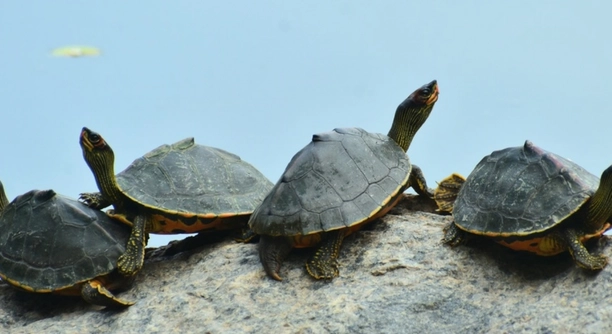
An Indian Roofed Tortoise might hide its head for various reasons. While it is a natural behavior for this species, understanding its causes can help ensure your pet’s well-being.
The Indian Roofed Tortoise hides its head primarily as a defense mechanism. It may feel threatened, stressed, or uncomfortable due to its environment or handling. It’s essential to observe its behavior and surroundings to determine the cause.
Knowing the underlying reasons for this behavior can lead to better care. Addressing these concerns will improve your tortoise’s health and comfort in the long run.
Common Reasons for Head Hiding in Indian Roofed Tortoises
Indian Roofed Tortoises may hide their heads as a natural instinct to protect themselves from potential threats. This species tends to retreat into its shell when it feels uncertain or unsafe. It’s a behavior seen in many reptiles, helping them avoid danger. If your tortoise seems to hide often, it could be responding to environmental factors such as unfamiliar noises, sudden movements, or changes in temperature. This behavior is more common in young tortoises who may still be adapting to their surroundings. Understanding this can help you address the stressors that trigger it.
Stress from poor conditions is another reason for head hiding. Factors like high humidity, inadequate temperature, or small enclosures can make the tortoise feel insecure. Ensure the habitat is set up correctly, with a proper temperature gradient and a place to hide that mimics its natural environment.
For a healthier and more comfortable tortoise, observe its behavior and surroundings. Adjusting factors such as light, heat, and space will help your pet feel safer and less likely to hide its head.
Stress and Environmental Factors
A stressed tortoise may hide more frequently. Inadequate space or uncomfortable temperatures can contribute to this behavior.
Make sure the habitat is spacious and has temperature gradients. A hideout with enough cover can reduce stress, allowing the tortoise to feel more secure. The more you understand about these needs, the better care you can provide.
Health Concerns That Could Cause Head Hiding
If the tortoise hides its head constantly, it could indicate health problems such as respiratory issues or internal discomfort. Tortoises are known to hide their head when they feel unwell, especially if it involves pain or inflammation. Keeping an eye on their behavior is key. If your tortoise appears lethargic, isn’t eating, or hides excessively, a vet visit might be necessary to rule out potential illnesses. Common issues could be respiratory infections, which can lead to coughing or nasal discharge, or digestive problems causing discomfort. Early detection can prevent more severe health complications.
Tortoises need proper care to avoid these health issues. Regular checkups and monitoring their behavior are essential in ensuring your pet stays healthy and active. Always consider the possibility of a medical issue if the behavior persists, as prompt treatment can make a significant difference in their recovery.
Temperature and Humidity Influence
Temperature and humidity levels directly affect the behavior of Indian Roofed Tortoises. A drop in temperature or a too-humid environment can make them feel vulnerable. These conditions can cause them to withdraw, seeking safety in their shells. Consistency is key to creating a stable habitat.
Proper temperature regulation is essential for their health and comfort. Indian Roofed Tortoises thrive in environments with a temperature range between 80°F and 90°F during the day. At night, it should not drop below 70°F. Humidity levels should be kept between 50% and 70%. Using a thermometer and hygrometer can help monitor these conditions accurately. If the environment fluctuates, your tortoise may react by hiding its head more often.
By keeping the habitat stable, you reduce stress on your tortoise. Adjusting the heating and humidifying equipment to meet their needs can prevent these hiding behaviors. Regular checks can ensure that your tortoise’s space remains comfortable, and they’ll be less likely to retreat when they feel safe.
Ensuring Proper Diet
Diet plays a critical role in your tortoise’s overall health. Poor nutrition can lead to health problems, which may cause your tortoise to hide its head. A well-balanced diet supports its immune system and digestive function, allowing the tortoise to thrive.
Offering a variety of leafy greens, vegetables, and some fruits will ensure your tortoise gets the nutrients it needs. Avoid feeding them foods that are too high in protein, as this can cause digestive issues and stress. Also, providing a calcium supplement is essential to promote healthy bone development. Stick to natural foods and avoid any processed or unhealthy options. A consistent feeding routine is important for maintaining their overall health and minimizing behavior changes like hiding.
A healthy diet not only keeps your tortoise physically well but also helps it feel secure. When well-fed, your tortoise will be more active and less likely to retreat into its shell due to discomfort or weakness caused by malnutrition.
Handling and Interaction
Indian Roofed Tortoises may hide their heads if they feel threatened or stressed from handling. Sudden movements or rough handling can make them retreat for safety. Being gentle and slow with them will help build trust and reduce their fear.
Avoid picking up the tortoise frequently, as it can be unsettling. When you do handle it, use both hands and support its body fully. Allow the tortoise to move at its own pace, never forcing it out of its shell. Respecting its personal space will encourage positive behavior and reduce head hiding.
With time, as they become accustomed to you, tortoises will begin to feel more comfortable and less likely to retreat when handled.
Socialization and Environment Enrichment
Tortoises are solitary creatures, and they don’t require interaction with other animals. However, providing environmental enrichment is important. Offer hiding spots, climbing surfaces, and a variety of textures in their enclosure. This will give them opportunities to explore and stay active.
Having a proper enrichment setup encourages natural behaviors. A well-designed enclosure can include logs, rocks, and plants, mimicking a more natural habitat. It gives the tortoise a chance to move freely and provides mental stimulation, which can help reduce stress-related behaviors like head hiding. A more engaging environment will keep your tortoise happy and content.
Regularly change up the environment to keep it interesting. As your tortoise explores and interacts with different items, it will become more comfortable in its space and less likely to retreat into its shell for long periods.
Regular Health Monitoring
Keeping track of your tortoise’s health is crucial in preventing issues that might lead to head hiding. Pay attention to its activity levels, eating habits, and overall appearance. Changes could indicate illness or discomfort, making it important to monitor closely.
Any significant changes, such as loss of appetite, lethargy, or irregular movements, should be addressed promptly. These signs can be an indication of respiratory issues, parasites, or internal problems. Regular check-ups with a vet will help keep your tortoise in good health. Keeping a health log can also be helpful for tracking its condition over time.
By maintaining a routine and being observant, you’ll notice issues early, preventing more severe complications and ensuring the tortoise stays active and engaged in its environment.
FAQ
Why does my Indian Roofed Tortoise hide its head?
Indian Roofed Tortoises typically hide their heads as a protective behavior. This is often triggered by stress, fear, or discomfort. Changes in their environment, such as new objects or sounds, can cause them to retreat. Also, temperature fluctuations and inadequate humidity can make them feel unsafe. Providing a consistent, comfortable environment with the right temperature and humidity levels can help reduce this behavior. If they continue to hide, it might indicate health issues or discomfort, and consulting a veterinarian would be beneficial.
How can I stop my tortoise from hiding its head?
To stop your tortoise from hiding its head, it’s important to focus on reducing stress factors. Ensure its habitat is stable, with appropriate temperature and humidity levels. Offer plenty of hiding spots and enrichment activities, like climbing logs or plants, to encourage exploration. Minimize loud noises and sudden movements around them. Additionally, handle your tortoise gently and infrequently to avoid causing distress. If the behavior continues, consider a vet visit to rule out potential health issues.
How often should I handle my Indian Roofed Tortoise?
Handling your Indian Roofed Tortoise should be kept to a minimum, especially if it’s a new pet. Over-handling can cause stress and lead to hiding. When you do handle it, be gentle and slow, giving it time to feel secure. Tortoises are solitary creatures and prefer not to be constantly picked up. Allowing your tortoise to acclimate to its environment without too much interference will lead to a more relaxed and confident pet.
Is head hiding always a sign of illness?
Not necessarily. While head hiding can sometimes indicate illness, it’s often just a natural defense mechanism. Tortoises may hide their heads when they feel scared or stressed due to environmental factors. It’s important to observe other behaviors, such as loss of appetite, lethargy, or difficulty moving, as signs of illness. If you notice these symptoms along with frequent head hiding, a vet visit is recommended to rule out any health issues.
Can stress cause long-term health issues for my tortoise?
Yes, chronic stress can lead to long-term health issues in tortoises. Prolonged exposure to stress can weaken the immune system, making your tortoise more susceptible to infections and illnesses. Stress may also impact its digestive health, leading to feeding problems. It’s important to create a stable environment and minimize stress triggers to ensure your tortoise remains healthy. Providing a proper diet, adequate space, and mental stimulation can help reduce stress and promote long-term well-being.
What is the ideal temperature for an Indian Roofed Tortoise’s habitat?
The ideal temperature for an Indian Roofed Tortoise’s habitat ranges between 80°F and 90°F during the day, with a nighttime temperature of 70°F to 75°F. A heat lamp or a basking spot should be provided to maintain a warm area where the tortoise can absorb heat. Ensure that the temperature gradient is maintained so your tortoise can regulate its body temperature. Using a thermometer to monitor the environment can help ensure it stays within the recommended range.
How do I maintain proper humidity levels for my tortoise?
To maintain proper humidity for your Indian Roofed Tortoise, keep the humidity between 50% and 70%. You can achieve this by misting the enclosure regularly or using a humidity monitor. Adding a water dish large enough for the tortoise to soak in can also help maintain moisture levels. Avoid excessive moisture, as too much humidity can lead to respiratory problems. A well-ventilated enclosure is important to prevent mold growth while still maintaining adequate moisture for your tortoise’s health.
What should I feed my Indian Roofed Tortoise?
Indian Roofed Tortoises thrive on a diet consisting mainly of leafy greens, such as dandelion greens, collard greens, and mustard greens. You can also offer some vegetables like carrots, bell peppers, and squash. Fruits should be offered sparingly, as they are high in sugar. Make sure the food is fresh and free from pesticides. Providing a calcium supplement is important for bone health, as well as a variety of textures to mimic their natural diet. A balanced diet will ensure your tortoise remains healthy and active.
How can I tell if my tortoise is sick?
Signs of illness in an Indian Roofed Tortoise can include a loss of appetite, lethargy, difficulty moving, nasal discharge, and abnormal behavior, such as excessive hiding or shell discoloration. If your tortoise shows any of these symptoms, it’s important to take them to a veterinarian as soon as possible for a thorough checkup. Prompt attention can prevent more serious health problems and ensure your tortoise receives the proper treatment.
What kind of enclosure does my tortoise need?
Your Indian Roofed Tortoise needs a spacious enclosure that allows it to move freely. A large tank or outdoor pen with secure sides is ideal. The enclosure should have areas with both warmth and shade so your tortoise can regulate its body temperature. It’s essential to include hiding spots, rocks, and climbing surfaces for mental stimulation. A proper substrate, like coconut fiber or grass, will provide a comfortable base. Keep the enclosure clean and monitor the temperature and humidity levels regularly to ensure your tortoise’s well-being.
Can I keep multiple tortoises together?
While it is possible to keep multiple Indian Roofed Tortoises together, it is not always recommended. These tortoises are solitary animals and may become stressed or territorial when housed with others. If you do decide to keep more than one tortoise, ensure that the enclosure is large enough to provide adequate space for each one. Monitor them closely for signs of aggression or stress. If any conflicts arise, it may be best to house them separately to avoid harm.
Final Thoughts
Understanding why your Indian Roofed Tortoise hides its head is crucial in ensuring its comfort and well-being. This behavior is often linked to stress or fear, but it can also be a sign of an environmental issue. Factors such as temperature fluctuations, humidity levels, and sudden changes in its surroundings can make your tortoise feel unsafe. It’s important to create a stable environment where your tortoise can thrive. The right balance of warmth, humidity, and security can help reduce this behavior. Consistently monitoring these factors will contribute to your tortoise’s overall health and happiness.
While occasional head hiding is normal, prolonged hiding or other unusual behaviors should not be ignored. If your tortoise exhibits symptoms like lethargy, loss of appetite, or difficulty moving, it’s best to consult a veterinarian. These signs may indicate a health problem that requires professional attention. Additionally, the quality of the habitat plays a major role in your tortoise’s behavior. Providing an enriching environment, with enough space, hiding spots, and opportunities for exploration, helps reduce stress and prevents boredom. A well-maintained enclosure that mimics natural conditions will allow your tortoise to feel more secure and comfortable.
Ultimately, caring for an Indian Roofed Tortoise involves more than just providing food and shelter. It requires understanding their behavior and responding appropriately to their needs. By ensuring a suitable environment, handling them gently, and monitoring their health, you can help your tortoise lead a healthy, stress-free life. Regular observation and minor adjustments to their habitat can go a long way in preventing behavior issues. When in doubt, seek professional advice to ensure your tortoise’s well-being is maintained, allowing it to live happily in its home.

Hello,
If you enjoy the content that we create, please consider saying a "Thank You!" by leaving a tip.
Every little bit helps us continue crafting quality advice that supports the health, happiness, and well-being of pets around the world, for pets of all shapes, sizes, and species.
We really appreciate the kindness and support that you show us!