
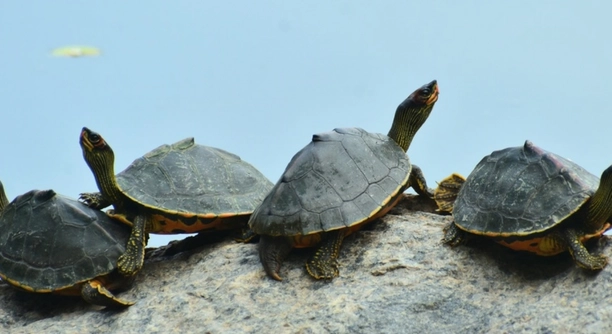
An Indian Roofed Tortoise is a unique and captivating pet. Ensuring its health involves providing the right balance of nutrients, including calcium. This essential mineral plays a key role in supporting their shell and overall well-being.
A lack of calcium can cause severe health issues for your tortoise. Signs such as weakness, soft shells, and abnormal behavior often point to a calcium deficiency. Providing a proper calcium supplement is vital for maintaining a strong, healthy tortoise.
Calcium is essential for your tortoise’s growth and shell integrity. Identifying early signs of deficiency can help in addressing their needs promptly.
Why Calcium is Vital for Your Indian Roofed Tortoise
Calcium plays a crucial role in the health of your Indian Roofed Tortoise, especially when it comes to shell development and overall bone strength. Without enough calcium, the tortoise’s shell can become soft and deformed. This deficiency can lead to further health complications, such as metabolic bone disease, which can be life-threatening if not addressed. Ensuring they get enough calcium from food sources and supplements is key. It’s important to note that calcium is not only vital for physical health but also impacts their behavior. A calcium-deficient tortoise may become lethargic or refuse to eat, indicating something is wrong. Proper supplementation can prevent these issues and promote a healthy, active tortoise.
Their diet should include calcium-rich foods like leafy greens, such as kale and dandelion greens. Calcium powder supplements can also be sprinkled over their food to ensure they get the right amount.
An effective way to boost calcium intake is by offering a variety of these foods consistently. This helps mimic the natural environment, providing the essential nutrients they need to thrive.
Signs Your Tortoise May Need More Calcium
A lack of calcium can affect your tortoise in various ways. The most noticeable signs include a soft or deformed shell and difficulty moving. These signs often indicate that calcium intake is insufficient, leading to bone weakness. If you notice these symptoms, immediate action is necessary.
In addition to shell deformities, calcium deficiency can cause general weakness in your tortoise. You may notice that it moves slower than usual or seems reluctant to explore its environment. This is a clear indicator that something is wrong. Without the right amount of calcium, the tortoise’s body struggles to function correctly. Over time, this can lead to more severe health issues.
Behavioral changes such as lethargy or reduced appetite are also common in tortoises suffering from calcium deficiency. A tortoise that suddenly becomes less active or refuses food may be trying to cope with discomfort caused by a lack of essential nutrients. It’s important to address these issues before they worsen.
How to Address Calcium Deficiency in Your Tortoise
Ensuring your tortoise receives enough calcium starts with providing the right foods. Leafy greens, such as collard greens, kale, and dandelion, are rich in calcium. These should be part of a balanced diet, ideally offered daily. You can also dust the food with calcium powder to boost their intake.
A well-balanced diet is key to maintaining your tortoise’s health. However, some tortoises may need additional supplementation, especially if their natural diet doesn’t provide enough calcium. Offering cuttlebone or calcium blocks in their enclosure gives them a natural source of calcium. It’s an easy and effective way to ensure they get the mineral they need.
Ensuring the correct balance of calcium and phosphorus is crucial. Too much phosphorus can block calcium absorption, leading to a deficiency despite calcium-rich foods. Therefore, controlling the amount of high-phosphorus foods like spinach is equally important. This balance will help your tortoise maintain a healthy, strong shell and bones.
The Role of UVB Lighting
UVB lighting plays a vital role in calcium absorption for tortoises. Without proper UVB exposure, your tortoise cannot efficiently process calcium, leading to deficiencies. Ensure that your tortoise’s habitat has appropriate UVB lighting, which mimics the sun’s natural rays.
UVB light encourages the production of vitamin D3, which is crucial for calcium metabolism. Without adequate exposure, even a diet rich in calcium may not be fully effective. It’s recommended to provide UVB lighting for 10-12 hours a day to ensure optimal health.
Position the light correctly within the enclosure to ensure your tortoise can bask under it. This exposure is essential for their overall well-being.
Supplements and Calcium Powder
Calcium powder is an effective supplement to help boost your tortoise’s calcium intake. Dusting their food regularly with calcium powder ensures they receive the necessary amount. Some powders also include vitamin D3 to support better calcium absorption.
Make sure to choose a calcium supplement that’s free from phosphorus. It’s important to use the right product to avoid imbalance, which could worsen health issues. Supplementation should be done carefully, following guidelines to prevent overdose.
Adding calcium powder to their diet will help fill any gaps in their nutrition.
Other Causes of Calcium Deficiency
Aside from diet, improper environmental conditions can lead to calcium deficiency. A lack of UVB light, improper humidity, or incorrect temperature can hinder calcium absorption. Regularly check the environment and make necessary adjustments to avoid these issues.
If your tortoise continues to show signs of calcium deficiency despite proper diet and supplementation, check the temperature and light sources. A suitable setup is just as crucial as nutrition for maintaining a healthy tortoise.
FAQ
How much calcium should my Indian Roofed Tortoise get?
A general rule of thumb is that your tortoise should receive calcium supplementation every other day, along with calcium-rich foods daily. The exact amount depends on factors such as age and size. Adult tortoises need a smaller amount compared to younger, growing tortoises. You can start by dusting their food with a pinch of calcium powder every other day and monitor their health. For larger tortoises, this may be slightly increased, but it’s best to avoid over-supplementation, which can cause imbalance.
What are the symptoms of calcium deficiency in my tortoise?
The most noticeable symptoms of calcium deficiency in an Indian Roofed Tortoise are a soft or deformed shell, lethargy, and poor appetite. You may also notice difficulty moving or a decrease in activity level. Over time, calcium deficiency can lead to more serious health problems, like metabolic bone disease. If these signs appear, it’s essential to take action immediately by adjusting their diet and environment to ensure they get enough calcium.
Can I use a cuttlebone as a calcium supplement?
Yes, cuttlebone is an excellent source of calcium for your tortoise. It’s a natural supplement that they can nibble on as needed. Cuttlebones are widely available and easy to place in your tortoise’s habitat. They help provide a consistent source of calcium, though they should be used alongside a balanced diet rich in calcium-rich foods like leafy greens.
How do I know if my tortoise’s UVB lighting is sufficient?
Ensure that your UVB lighting is within the proper range for your tortoise. The light should be positioned so that your tortoise can bask directly under it, with a distance of around 10-12 inches from their basking spot. The bulb should be replaced every 6-12 months, as its UVB output decreases over time, even if the light still works. Aim for a UVB light that provides 10-12 hours of exposure each day, ensuring your tortoise gets enough sunlight-like rays to absorb calcium effectively.
What are the best foods to give my tortoise for calcium?
Leafy greens such as kale, collard greens, and dandelion are excellent sources of calcium for your tortoise. These should make up a significant portion of their diet. Other options include mustard greens, turnip greens, and parsley. You can also offer calcium-rich fruits like figs and papaya in moderation. Avoid foods with a high phosphorus content, like spinach, as they can interfere with calcium absorption.
Can I over-supplement calcium for my tortoise?
Yes, it’s possible to over-supplement calcium. Excessive calcium intake can cause kidney problems and other health issues. It’s crucial to follow recommended guidelines when adding calcium powder to their diet. If you’re concerned about over-supplementing, consult with a reptile vet to find the right balance for your tortoise’s specific needs. Remember, a healthy tortoise benefits most from a well-rounded diet with proper calcium levels, not an excess of one nutrient.
Do I need to give my tortoise vitamin D3 supplements?
While vitamin D3 helps with calcium absorption, it’s typically provided in UVB lighting rather than through supplements. If your tortoise has consistent access to proper UVB lighting, additional vitamin D3 may not be necessary. However, if they are not getting enough UVB exposure, you can consider adding vitamin D3 in supplement form, but consult with a veterinarian before doing so. Too much vitamin D3 can be harmful.
How do I maintain the right temperature for my tortoise’s environment?
The temperature in your tortoise’s habitat should mimic the natural environment. A basking spot should be kept at 90-95°F, while the cooler side of the enclosure should be around 75°F. This temperature range helps your tortoise absorb calcium effectively and maintain proper metabolism. You can achieve this by using heat lamps and thermostats to regulate the temperature and ensuring that your tortoise has access to both warm and cool areas.
Can I feed my tortoise calcium-rich foods every day?
Yes, you can feed your tortoise calcium-rich foods daily, as long as you balance them with other nutrients. Offer a variety of calcium-rich greens and vegetables to ensure they’re getting a broad spectrum of nutrients. However, don’t forget to provide other necessary food groups, such as fiber and vitamins, to maintain a healthy, balanced diet.
Is it okay to feed my tortoise high-calcium foods without supplements?
High-calcium foods are important for your tortoise’s diet, but they may not provide all the calcium they need on their own. If you’re feeding your tortoise a diet consisting mainly of calcium-rich greens, supplements might still be necessary to ensure they receive a consistent supply of calcium. Supplementation can be done with calcium powder, cuttlebone, or calcium blocks to help maintain strong bones and a healthy shell.
Final Thoughts
Ensuring your Indian Roofed Tortoise gets the right amount of calcium is crucial for its overall health. Calcium is essential for strong bones and a hard, healthy shell. Without it, your tortoise could face serious health issues, such as metabolic bone disease or a deformed shell. While a well-balanced diet rich in calcium is important, it’s equally vital to create an environment that supports calcium absorption. Proper UVB lighting plays a key role in helping your tortoise process calcium effectively. Without it, even the best diet might not be enough.
Pay attention to the signs your tortoise gives. If you notice symptoms like lethargy, a soft shell, or difficulty moving, it’s a clear indication that calcium intake may not be sufficient. In this case, taking immediate action can prevent further complications. Adjusting their diet, offering calcium supplements, and ensuring proper lighting should be prioritized. However, avoid over-supplementation, as too much calcium can lead to kidney problems and other health concerns. It’s all about balance, and consistency is key when it comes to your tortoise’s nutrition and care.
In the end, a combination of a calcium-rich diet, appropriate supplements, and a controlled environment can keep your Indian Roofed Tortoise healthy and thriving. Regularly monitor their condition, check their habitat, and provide the best care possible. With a little attention to detail, your tortoise can live a long, healthy life with a strong shell and plenty of energy. By maintaining a proper routine for nutrition and environment, you’re helping your tortoise live its best life, free from calcium deficiency and related issues.

Hello,
If you enjoy the content that we create, please consider saying a "Thank You!" by leaving a tip.
Every little bit helps us continue crafting quality advice that supports the health, happiness, and well-being of pets around the world, for pets of all shapes, sizes, and species.
We really appreciate the kindness and support that you show us!