
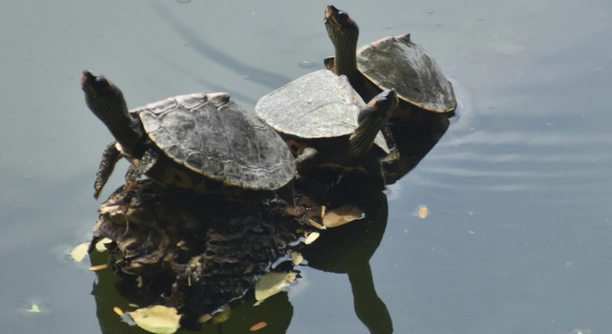
Is your Indian Roofed Tortoise blowing bubbles? This behavior can raise some concerns, especially if you’re new to caring for one. Understanding the cause of this behavior will help ensure your pet stays healthy and happy.
The main reason your Indian Roofed Tortoise is blowing bubbles could be a respiratory issue, like an infection. Other potential causes include stress or improper humidity levels in their environment. These factors may result in the bubbling behavior.
Learning how to manage these conditions can help you keep your tortoise healthy. Understanding the key factors will guide you in addressing this behavior effectively and preventing further complications.
Common Causes of Bubble Blowing in Tortoises
Blowing bubbles can be a sign of several underlying issues. One of the most common reasons for this behavior is a respiratory infection. Tortoises, like many reptiles, are sensitive to changes in their environment. Improper humidity, poor ventilation, or sudden temperature fluctuations can stress your pet’s system, leading to respiratory problems. If your tortoise’s nose is producing bubbles, it could indicate fluid in the airways or inflammation, both signs of infection. The symptoms may also include wheezing, lethargy, and lack of appetite.
In some cases, your tortoise might blow bubbles due to an overexposure to high humidity. It’s essential to maintain an appropriate humidity level in their enclosure to avoid respiratory issues.
Respiratory infections are serious and can worsen without proper treatment. Keeping an eye on your tortoise’s overall health and environment is crucial for preventing these conditions. If you notice persistent bubbling, it’s time to consult a vet for a thorough examination.
How Stress Affects Your Tortoise
Stress can also contribute to bubble-blowing behavior.
Tortoises are sensitive to changes in their surroundings. They may produce bubbles if they feel threatened or unsettled. Poor handling, noisy environments, or even an overcrowded enclosure can cause stress, leading to respiratory issues. Creating a quiet, comfortable space for your pet is essential.
Stress can lead to a weakened immune system, making your tortoise more vulnerable to infections. When your tortoise feels uneasy, their body reacts by producing excess mucus, resulting in bubbles. It’s vital to ensure they have a peaceful environment where they can feel safe. If you believe your tortoise is stressed, adjust their habitat or routine to reduce the causes of anxiety.
Poor Humidity Levels
Improper humidity can lead to respiratory issues in tortoises. Too low or too high humidity can stress your tortoise, causing it to produce bubbles as a reaction.
Maintaining consistent humidity is key. A humidity level of 50-70% is ideal for most tortoises. If the humidity is too low, it can dry out their respiratory system, making it harder for them to breathe. On the other hand, excessive humidity can lead to fungal or bacterial growth, which also contributes to infections. It’s important to regularly monitor the humidity in the tortoise’s enclosure using a hygrometer. Adjusting humidity levels to suit your pet’s needs can help prevent further health complications.
If the humidity is off balance, your tortoise may develop breathing problems that lead to bubbling. Ensure proper ventilation and humidity control to avoid triggering respiratory issues. A well-maintained environment is crucial to your tortoise’s health and comfort.
The Role of Temperature
Temperature plays a significant role in your tortoise’s overall health. If the environment is too hot or cold, your tortoise may experience stress, leading to respiratory problems and bubble-blowing behavior.
Reptiles, like tortoises, are ectothermic, meaning they rely on external heat sources to regulate body temperature. The optimal temperature range for an Indian Roofed Tortoise is between 75-85°F (24-29°C) during the day and slightly cooler at night. If temperatures fall below this range, your tortoise’s immune system may weaken, making it more susceptible to infections. Conversely, excessive heat can stress your tortoise and increase the likelihood of respiratory issues.
It’s essential to provide a temperature gradient in the enclosure so your tortoise can regulate its body temperature. This allows them to move between cooler and warmer areas as needed. Regularly checking the temperature with a reliable thermometer will help you maintain a stable, healthy environment.
Inadequate Diet
A poor diet can contribute to health issues that lead to bubble-blowing behavior. If your tortoise isn’t receiving proper nutrition, it can develop respiratory problems or other health conditions.
Ensure your tortoise is getting a balanced diet, including fresh greens, vegetables, and a variety of proteins. A lack of nutrients weakens their immune system, making them more susceptible to infections. Vitamin deficiencies, such as a lack of vitamin A, can also cause respiratory problems, which may result in bubbles. Always offer food rich in calcium and fiber, and avoid feeding them high-fat or sugary foods.
Feeding your tortoise the right foods will help support its immune system. A proper diet prevents unnecessary health complications and ensures your tortoise stays strong and healthy.
The Impact of Overcrowding
Overcrowding can be a major stressor for your tortoise.
When tortoises are kept in small enclosures with too many companions, they may feel anxious, which can trigger respiratory issues. Ensuring that your tortoise has plenty of space to move around and establish its own territory is essential to reducing stress and preventing health problems.
When to See a Veterinarian
If the bubbling continues or worsens, it’s time to seek veterinary help.
A vet can diagnose the underlying issue and provide proper treatment, such as antibiotics for infections. Delaying a visit may worsen your tortoise’s condition, so don’t wait too long if you notice concerning symptoms.
FAQ
What are the signs that my tortoise has a respiratory infection?
Common signs of a respiratory infection in tortoises include wheezing, nasal discharge, bubbling from the nose, and difficulty breathing. They may also become lethargic, lose their appetite, and have swollen eyes. If you notice these symptoms, it’s essential to take your tortoise to a veterinarian as soon as possible. Respiratory infections can worsen quickly, so early treatment is key to preventing long-term damage.
How can I maintain the right humidity levels for my tortoise?
To maintain the correct humidity levels for your tortoise, use a hygrometer to monitor the moisture in their enclosure. Ideal humidity levels typically range between 50-70%. If the humidity is too low, you can increase it by adding a shallow water dish or misting the enclosure lightly. Be careful not to overdo it, as excessive moisture can cause other health issues. For larger enclosures, consider using a humidifier to maintain consistent levels.
What temperature should I keep my tortoise’s habitat?
The optimal temperature for an Indian Roofed Tortoise’s habitat should range from 75-85°F (24-29°C) during the day. At night, it can drop to around 70°F (21°C). You should provide a temperature gradient by using a heat lamp at one end of the enclosure and a cooler area at the other. This allows your tortoise to regulate its body temperature naturally. If the temperature is too cold, it can stress your tortoise, weaken its immune system, and lead to respiratory infections.
Can stress cause my tortoise to blow bubbles?
Yes, stress can trigger bubble-blowing behavior in tortoises. Stress factors such as overcrowding, loud noises, rough handling, or changes in their environment can weaken their immune system and lead to respiratory problems. If you suspect stress is the cause, try to reduce the triggers and provide a calm, secure space for your tortoise to thrive. A quiet environment with enough space and proper care can help your tortoise feel more comfortable and less likely to experience these symptoms.
Is it safe for my tortoise to eat fruits?
While fruits can be given to tortoises in moderation, they should not make up the majority of their diet. Fruits are high in sugar and can cause digestive issues if overfed. Stick to giving your tortoise small amounts of fruits like berries, apples, or melons. The primary diet should consist of leafy greens, vegetables, and grasses, which provide essential nutrients. Always research the specific dietary needs of your tortoise species to avoid feeding them foods that may harm their health.
How can I prevent respiratory issues in my tortoise?
To prevent respiratory issues in your tortoise, keep their habitat clean, dry, and well-ventilated. Regularly check the temperature and humidity levels to ensure they are within the ideal range. Avoid sudden temperature fluctuations, as these can stress your tortoise. Additionally, ensure your tortoise gets a balanced diet rich in vitamins and minerals to support a strong immune system. Lastly, limit exposure to pollutants, such as smoke or strong chemicals, as these can irritate your tortoise’s respiratory system.
When should I take my tortoise to the vet?
If your tortoise shows signs of respiratory distress, such as continuous bubbling, wheezing, or difficulty breathing, it’s crucial to seek veterinary help immediately. Additionally, if your tortoise stops eating, becomes lethargic, or shows any abnormal behavior, a vet visit is recommended. Regular check-ups are also important to monitor your tortoise’s overall health. Early detection of any health issues ensures a better chance for recovery.
Can improper diet cause my tortoise to blow bubbles?
Yes, a poor diet can contribute to respiratory issues in tortoises. A diet lacking essential vitamins, particularly vitamin A, can weaken the immune system and make your tortoise more prone to infections. Ensure that your tortoise’s diet includes a variety of leafy greens, vegetables, and occasional fruits. Also, provide calcium supplements to promote strong bones. Feeding your tortoise a nutritious, well-rounded diet will help prevent respiratory issues and support its overall health.
What should I do if my tortoise isn’t eating?
If your tortoise isn’t eating, it could be a sign of stress, illness, or environmental issues. First, check the temperature and humidity levels in their enclosure to make sure they are within the appropriate range. Also, ensure that your tortoise feels safe and isn’t experiencing overcrowding or constant disturbance. If environmental factors are not the issue and your tortoise still refuses to eat, it’s time to consult a vet to rule out any health problems.
Can I give my tortoise water to help with the bubbles?
Providing your tortoise with fresh, clean water is always a good idea, especially if they are experiencing respiratory issues. Hydration helps keep the mucous membranes moist and can assist in loosening any mucus in the nasal passages. However, if your tortoise is blowing bubbles due to an infection, simply providing water won’t solve the problem. You should still take them to a vet for proper diagnosis and treatment.
How do I know if my tortoise is stressed?
Signs of stress in a tortoise include lethargy, lack of appetite, excessive hiding, and aggression. If your tortoise is constantly retreating into its shell or seems agitated, it may be experiencing stress. Changes in its environment, improper enclosure conditions, or even poor socialization can lead to stress. Creating a stable, calm environment with a proper enclosure setup can help reduce anxiety and promote your tortoise’s well-being. If stress continues, consider consulting a veterinarian for further advice.
Final Thoughts
Taking care of an Indian Roofed Tortoise requires attention to detail, especially when it comes to their health. If your tortoise is blowing bubbles, it could be a sign of several underlying issues, such as a respiratory infection, stress, or improper environmental conditions like humidity and temperature. It’s important to stay aware of these factors and make sure your tortoise’s enclosure is set up correctly. Keeping their habitat clean, at the right temperature, and with proper humidity will go a long way in preventing many health issues. Regularly monitoring their behavior and appearance will help you catch any problems early, allowing for a quicker recovery.
It’s also crucial to remember that diet plays a significant role in the overall health of your tortoise. A well-balanced diet ensures that your tortoise has the nutrients it needs to maintain a strong immune system. Providing fresh greens, vegetables, and the occasional fruit in the right amounts can help prevent deficiencies that lead to health complications, including respiratory problems. Overcrowding, stress, and improper diet are all factors that can contribute to bubble-blowing behavior. Addressing these areas in your tortoise’s care routine will help improve their overall well-being.
If you ever notice consistent or worsening symptoms, such as bubbling or lethargy, it’s important not to ignore them. Respiratory infections and other health concerns can escalate quickly, so seeking veterinary help is essential. A vet can offer proper diagnosis and treatment, helping your tortoise recover and feel better. By providing a stable environment and taking proactive measures in diet and care, you can ensure your tortoise lives a long, healthy life.

Hello,
If you enjoy the content that we create, please consider saying a "Thank You!" by leaving a tip.
Every little bit helps us continue crafting quality advice that supports the health, happiness, and well-being of pets around the world, for pets of all shapes, sizes, and species.
We really appreciate the kindness and support that you show us!