
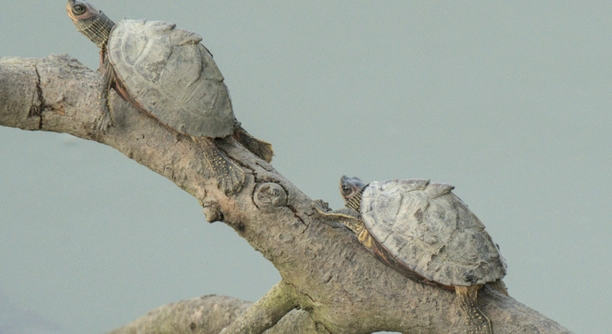
Your Indian roofed tortoise’s shell might be changing color, and you’re wondering why. This change can be surprising, but it’s important to understand what’s going on with your pet’s health and environment.
The color change in your tortoise’s shell can be influenced by a variety of factors, including diet, temperature, and overall health. Stress, aging, or even natural shedding processes can also play a role in these color variations.
Understanding these factors can help you determine the best care for your tortoise. It’s essential to ensure a proper environment and monitor any changes closely.
Environmental Changes Can Affect Your Tortoise’s Shell Color
Your Indian roofed tortoise’s shell might change color due to the environment around it. If you recently moved your tortoise to a new space or altered the temperature, its shell could respond by darkening or lightening. Tortoises are sensitive to heat and light. Extreme changes in temperature can cause their shells to appear more vibrant or dull. Direct sunlight, or lack thereof, can also have a noticeable effect. Too much sun can lead to darker shades, while insufficient exposure can lighten the shell’s color. It’s essential to create a balanced environment with controlled temperature and light to prevent drastic changes in your tortoise’s appearance.
Changes in humidity can also play a role in color shifts. A humid environment can help maintain the health of the shell, while too little moisture can dry out the tortoise’s skin and shell, causing discoloration. Always keep track of humidity and temperature levels in your tortoise’s enclosure to ensure they stay within a safe range.
Keeping a consistent environment with proper care ensures your tortoise’s shell stays healthy and stable in color.
Diet and Nutrition Impact Shell Health
Dietary factors are another key reason for changes in shell color. Poor nutrition can result in color changes, often appearing as fading or discoloration. A well-balanced diet, rich in nutrients, ensures your tortoise’s shell remains healthy and vibrant.
Feeding your tortoise a variety of leafy greens, vegetables, and occasional fruits is crucial for its overall health. An imbalance in calcium, vitamin D3, or other essential nutrients can lead to shell deformities or color changes. For instance, a deficiency in calcium may cause the shell to lose its vibrant appearance, becoming paler or uneven in color. Calcium is vital for the growth and maintenance of a strong shell. Inadequate exposure to UVB light can hinder calcium absorption, further leading to color changes in the shell.
To maintain optimal shell health and avoid discoloration, ensure your tortoise has a varied diet and is provided with the necessary supplements. A proper diet is essential for long-term health and helps prevent unnecessary shell color changes.
Stress and Anxiety Can Cause Shell Color Changes
Stress is a major factor that can alter your tortoise’s shell color. Changes in its environment, such as new pets, loud noises, or unfamiliar handling, can lead to increased stress. This may cause the shell to appear lighter or darker than usual.
When a tortoise experiences stress, it might display behaviors like hiding or becoming more defensive. These changes can trigger physical reactions, including color shifts in the shell. Stress-induced color changes are often temporary, but prolonged stress can affect your tortoise’s overall health.
To help reduce stress, ensure your tortoise has a quiet, stable environment. Avoid frequent handling or disturbing its space. By maintaining a calm environment, your tortoise will be less likely to experience stressful situations that cause shell discoloration.
Aging and Shell Color Shifts
As tortoises grow older, their shell color can naturally change. These changes are often gradual and part of the aging process. Older tortoises may develop a more faded or muted shell color compared to when they were younger.
Aging can lead to more visible growth rings or changes in the texture of the shell, which can make the color appear different. Over time, the shell might become darker or lighter, which is a normal process. The aging of the shell doesn’t necessarily indicate any health concerns unless accompanied by other signs like cracks or severe discoloration.
While aging does contribute to these color changes, it’s still important to regularly monitor your tortoise’s shell. If you notice any unusual patterns or symptoms, consult a vet to rule out other health issues.
Shell Shedding and Regeneration
Tortoises naturally shed their shells in stages. This process is gradual, and during this time, you may notice color changes. As the old layer is shed, the new shell underneath can appear different in color, sometimes lighter or darker.
Shell shedding is a normal part of a tortoise’s growth cycle. It usually occurs in small patches rather than all at once. The new growth might look lighter or darker until it fully hardens and adjusts to the environment. You can help support the process by ensuring the proper humidity levels in the enclosure.
By maintaining a balanced environment, you can help your tortoise shed its shell healthily, preventing stress or discomfort during this time.
Health Issues and Color Changes
In some cases, health problems like fungal infections or metabolic bone disease can lead to changes in shell color. These issues can cause discoloration, soft spots, or unusual patterns on the shell.
If you notice a significant or sudden color change, it’s essential to consult a veterinarian. While minor changes in color can be normal, severe discoloration could indicate an underlying health issue that requires attention. Early diagnosis can help ensure your tortoise’s well-being and prevent further complications.
Regular vet check-ups can help keep your tortoise in optimal health, so you can address any potential issues early.
UVB Lighting and Shell Color
UVB lighting plays an important role in a tortoise’s shell health. Without proper UVB exposure, the shell may begin to fade or discolor over time. This is because UVB helps with calcium absorption, essential for maintaining strong shell growth.
A lack of UVB light can lead to softening of the shell and potential color changes. Ensuring your tortoise receives adequate UVB exposure will help its shell remain healthy and vibrant. A good UVB light should be placed within the enclosure and replaced every 6 to 12 months to maintain effectiveness.
FAQ
Why is my tortoise’s shell turning white?
A white shell could indicate a few different things. It might be a sign of shedding, as the old layer of the shell is naturally being replaced. However, if the white patches are irregular or spreading, it could suggest a fungal infection or another health issue. Make sure your tortoise is in the right environment with proper humidity and UVB lighting. If the white patches don’t seem to go away, it’s a good idea to consult a vet to rule out any serious problems.
How can I tell if my tortoise’s shell color change is due to stress?
Stress can cause temporary changes in your tortoise’s shell color, usually darkening or lightening. Stress-related color changes are often linked to environmental factors, like noise, sudden temperature changes, or handling. If you notice your tortoise becoming more withdrawn or defensive, it’s likely experiencing stress. Ensure the environment is calm, quiet, and stable. Providing hiding spots and a consistent routine can help reduce stress and prevent these color shifts.
Can diet affect my tortoise’s shell color?
Yes, a poor diet can impact the color of your tortoise’s shell. If the tortoise isn’t getting enough of the right nutrients, like calcium and vitamin D3, the shell can lose its natural vibrancy. A diet low in essential vitamins and minerals might result in a pale or dull shell. Make sure your tortoise eats a variety of leafy greens, vegetables, and fruits, and consider adding supplements if needed. A balanced diet will keep your tortoise healthy and its shell vibrant.
Does aging affect a tortoise’s shell color?
As tortoises age, their shells can naturally change color. Older tortoises might have more faded or muted shells compared to when they were younger. The color shifts are generally gradual and not cause for concern unless there are other health issues. However, it’s still important to keep an eye on the condition of the shell to ensure there are no signs of illness or shell deformities that could affect its appearance.
Is it normal for a tortoise’s shell to get darker in the winter?
Yes, some tortoises’ shells may darken during the winter months. This can be related to changes in light exposure and temperature. In colder months, there may be less sunlight, which can affect the coloration of their shell. It’s important to provide the right lighting and temperature in your tortoise’s habitat to help regulate its shell health and overall well-being.
Can a fungal infection cause color changes in a tortoise’s shell?
Yes, fungal infections can cause patches or discoloration on a tortoise’s shell. These infections often appear as white, gray, or dull patches on the shell, and they can spread if not treated. Fungal infections typically occur when the tortoise’s environment is too moist or not cleaned properly. If you notice unusual patches or spots, it’s best to visit a vet for a proper diagnosis and treatment plan.
How do I prevent shell discoloration in my tortoise?
To prevent shell discoloration, ensure your tortoise has a proper, balanced diet and an optimal living environment. Provide adequate UVB lighting, maintain appropriate humidity levels, and avoid temperature extremes. Regularly clean the enclosure to prevent the buildup of harmful bacteria or fungi. Avoid handling your tortoise too frequently, as stress can also lead to color changes. Ensuring your tortoise has everything it needs will help keep its shell healthy and vibrant.
Can dehydration cause changes in my tortoise’s shell color?
Yes, dehydration can cause discoloration or dryness of the shell. When a tortoise is not getting enough water, its shell can appear dull or flaky. Dehydration can also lead to other health issues like poor digestion and lethargy. Make sure your tortoise always has access to clean water, and consider soaking it in shallow, warm water a couple of times a week to help with hydration.
What should I do if I see cracks or damage on my tortoise’s shell?
If your tortoise’s shell is cracked or damaged, it’s important to get it checked by a vet. A cracked shell can be a sign of injury or illness, and untreated damage could lead to infections. Keep the tortoise in a clean, quiet space to prevent further injury and minimize stress. Your vet may recommend special care or treatment to heal the shell and prevent complications.
How often does a tortoise shed its shell?
Tortoises shed their shells gradually, in small patches, over time. This process isn’t as noticeable as shedding skin, but you might see some scaly pieces come off during the course of their growth. Younger tortoises shed more frequently as they grow, while older tortoises shed less often. It’s essential to ensure proper humidity and temperature levels to support the shedding process. If you notice large, abnormal patches of shedding or if the shell looks unhealthy, seek veterinary advice.
Final Thoughts
Understanding why your Indian roofed tortoise’s shell is changing color is essential for providing the best care. The color of your tortoise’s shell can shift due to many factors, from environmental changes to diet and health issues. It’s important to observe your tortoise closely and identify any signs of stress, illness, or poor environmental conditions. By ensuring your tortoise’s living space is calm, stable, and properly maintained, you can prevent unnecessary stress and color changes that could signal a problem.
A proper diet is another key factor in maintaining a healthy shell. Make sure your tortoise is eating a balanced mix of vegetables, fruits, and leafy greens. If your tortoise isn’t getting enough calcium or vitamin D3, its shell might lose its color or become soft. If you’re unsure about its nutritional needs, consulting a veterinarian can help you make adjustments. Supplements may also be necessary if your tortoise is not getting everything it needs from its food alone. A proper diet and UVB light exposure can go a long way in ensuring your tortoise’s shell remains vibrant and strong.
Lastly, while some color changes in your tortoise’s shell are perfectly normal, any drastic or sudden shifts should not be ignored. If your tortoise’s shell becomes unusually pale, dark, or shows signs of cracking, it might be a sign of a health issue, such as a fungal infection or metabolic bone disease. Regular vet check-ups are crucial to monitor the overall health of your tortoise and prevent long-term damage. By staying attentive to your tortoise’s needs and environment, you can keep it healthy and comfortable for years to come.

Hello,
If you enjoy the content that we create, please consider saying a "Thank You!" by leaving a tip.
Every little bit helps us continue crafting quality advice that supports the health, happiness, and well-being of pets around the world, for pets of all shapes, sizes, and species.
We really appreciate the kindness and support that you show us!