
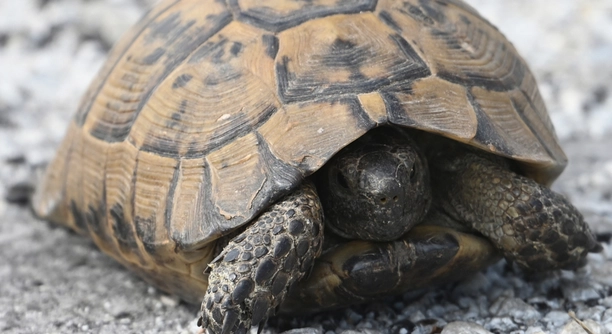
Tortoises have unique behaviors that often leave us wondering what’s going on. If your Greek tortoise is tapping its front legs, you might be curious about what’s behind this unusual action. Let’s explore the reasons why.
Tapping behavior in Greek tortoises can stem from a variety of factors, including communication, environmental stress, or physical discomfort. It may also occur during mating season, or when the tortoise is exploring its surroundings or seeking food.
Understanding these reasons will help you provide a better environment for your tortoise, ensuring its overall health and happiness. Keep reading to learn more.
Communication with Other Tortoises
Tapping could be your tortoise’s way of signaling to others. Greek tortoises, like many reptiles, communicate through body language. The tapping could be a method of asserting dominance or showing interest in another tortoise. If there are other tortoises nearby, your pet might be trying to get their attention. This behavior is especially common during the mating season when they become more vocal and active. Your tortoise may also tap its legs when it feels threatened or is trying to ward off competition.
It’s important to observe the context of the tapping. If your tortoise seems relaxed, the tapping could just be its way of expressing itself. But if the tapping is accompanied by other signs of stress or aggression, it may need your attention.
When multiple tortoises are in close quarters, territorial behavior can be displayed. Tapping serves as a non-aggressive way to communicate, showing interest or trying to establish dominance. It is often harmless unless it’s accompanied by more extreme behaviors like biting or chasing. Ensuring each tortoise has ample space can reduce stress and prevent aggressive behavior. If you notice your tortoise tapping excessively, it may also be a sign of a need for more social interaction or enrichment activities to reduce boredom.
Stress or Discomfort
Your tortoise could be tapping because of stress or physical discomfort. Environmental factors such as changes in temperature, humidity, or lighting can make a tortoise feel uneasy. Stress is common when there are loud noises or sudden changes in its environment. If the habitat is too small or overcrowded, it may feel trapped, causing it to tap its front legs.
Tapping can also happen if the tortoise feels uncomfortable in its space. A lack of hiding spots, a poor diet, or improper substrate can cause stress. Pay attention to your tortoise’s general behavior to spot other signs of discomfort, such as lack of appetite or excessive hiding.
Mating Behavior
During mating season, your tortoise may tap its front legs as part of courtship. Male Greek tortoises often use this tapping to gain the attention of females. It can be accompanied by other actions such as mounting or following the female around. This behavior is completely natural.
The tapping may also indicate that your tortoise is ready to mate or is trying to communicate with a potential mate. If you have more than one tortoise, observing their interactions closely will help you identify if the tapping is related to mating or simply a social gesture. Be sure to provide enough space for all your tortoises to avoid stress.
While the tapping might look strange, it’s important to remember it’s part of their natural reproductive cycle. If you’re not interested in breeding, consider separating males and females to prevent unwanted mating. Pay attention to signs of aggression, as some males can become territorial during this time, leading to further tapping or even chasing.
Exploring the Environment
Tapping could also mean your tortoise is trying to explore its surroundings. Greek tortoises are curious animals, and they use their legs to interact with objects. They might tap or nudge objects to investigate them, such as rocks or the sides of their enclosure.
If you’ve recently changed the layout of their habitat, or if new objects have been added, your tortoise might tap to explore its new environment. It’s a way for them to understand the space around them and detect new textures or smells. It’s a sign of your tortoise’s natural curiosity, and you’ll often see this behavior when they are given new items to interact with.
Ensure their enclosure is large enough to allow free movement. Provide different objects for your tortoise to explore, as this tapping behavior shows they enjoy their environment and like investigating what’s around them. New experiences will help reduce any boredom and promote overall well-being.
Hunger or Food Seeking
Tapping may occur when your tortoise is hungry or seeking food. Greek tortoises often tap their front legs when they are looking for something to eat. They are active foragers and use this movement as part of their search for food.
It’s common for tortoises to tap near areas where food is placed. If your tortoise is tapping frequently, consider whether it’s time for a meal. Providing a consistent feeding schedule can help manage this behavior. Ensure their diet consists of the right types of food, including leafy greens and vegetables.
Physical Discomfort or Injury
If your tortoise is tapping excessively, it may be trying to express physical discomfort or injury. Any pain from a past injury or a current health issue could cause this behavior. Tapping could signal that something is wrong.
Look for other signs like limping or changes in eating habits. It’s essential to carefully examine your tortoise for any visible injuries or signs of illness. If you suspect that the tapping is due to a health issue, contact a vet who specializes in reptiles for guidance.
FAQ
Why does my Greek tortoise tap its front legs against the ground?
Tapping is a common behavior among Greek tortoises and can be related to several factors. It could be a form of communication, especially if your tortoise is interacting with another tortoise. They might also tap when they are exploring their environment or searching for food. Tapping may occur during mating season as part of courtship behavior, or it could be a sign that the tortoise is feeling stressed or uncomfortable in its surroundings.
Is it normal for my Greek tortoise to tap its legs constantly?
While occasional tapping is normal, constant tapping may indicate that something is wrong. If the behavior is persistent, it could be due to stress, boredom, or discomfort. Ensure that your tortoise has enough space, appropriate hiding places, and a balanced diet. If the behavior doesn’t improve, check for signs of illness or injury, and consider consulting a vet.
Could my tortoise’s tapping be related to its diet?
Yes, tapping can sometimes occur if your tortoise is hungry or searching for food. Greek tortoises are active foragers, and tapping is part of their behavior while they search for food or when they are excited about mealtime. If your tortoise taps around its food dish, it’s likely indicating hunger or a desire for food.
What can I do to stop my tortoise from tapping excessively?
If your tortoise is tapping excessively, try to identify the underlying cause. Check its environment to make sure it isn’t stressed or cramped. Ensure the temperature, humidity, and lighting are all within proper ranges. Also, make sure it has enough stimulation in its habitat, such as hiding spots and varied objects for exploration. If it’s related to hunger, adjust the feeding schedule accordingly. If the tapping is paired with other concerning behaviors, such as lethargy or a change in appetite, it’s best to consult a vet.
Could my tortoise be injured? How can I tell?
Injury might cause a tortoise to tap its legs in an attempt to alleviate discomfort. Check your tortoise for any visible signs of injury, such as swelling, cuts, or scratches. If your tortoise is tapping more than usual, limping, or avoiding movement, it may be in pain. A vet visit is recommended to rule out any injury or underlying health problems.
Is it okay to have multiple tortoises in the same enclosure?
It’s possible to house multiple Greek tortoises together, but you need to ensure there’s enough space for each one. Tortoises can become territorial, and males may exhibit tapping behavior to assert dominance, especially during mating season. To prevent stress or aggression, make sure each tortoise has its own space, and be prepared to separate them if needed.
Could the tapping be a sign of mating behavior?
Yes, tapping is a common behavior during the mating season. Male Greek tortoises tap their front legs on the female’s shell or around her as part of the courtship process. If there are other tortoises nearby, they might also tap in an attempt to attract a mate. If you have both males and females in the enclosure, this behavior could be an indication that they are engaging in mating-related activities.
Should I worry if my tortoise stops tapping suddenly?
A sudden stop in tapping could be due to a variety of reasons. It might indicate that the tortoise is now comfortable or has finished exploring its environment. However, if the behavior change is accompanied by other signs of illness, such as loss of appetite, lethargy, or abnormal behavior, it might be worth consulting a vet to ensure there is no underlying health problem.
Can temperature changes affect my tortoise’s behavior, including tapping?
Yes, temperature changes can have an impact on your tortoise’s behavior. If the enclosure is too cold or too hot, your tortoise may tap to express discomfort. Greek tortoises require specific temperature ranges to stay healthy. Ensure that the basking area is warm enough, and that there are cooler spots available. A stable, comfortable temperature will reduce stress and help your tortoise feel more at ease.
How can I tell if my tortoise is tapping out of boredom?
Boredom can cause tapping if your tortoise doesn’t have enough to do. They are curious creatures, and without enough stimulation, they may start tapping their legs on surfaces or objects. Providing enrichment, like new objects to explore, or varying the layout of their habitat, can help reduce this behavior. Giving them more space or interaction time can also reduce the likelihood of boredom-induced tapping.
Does the size of the enclosure affect tapping behavior?
Yes, the size of the enclosure plays a significant role in your tortoise’s behavior. A small or cramped space can cause stress, which might result in tapping. Ensure your tortoise has enough room to roam freely, especially if you have multiple tortoises in the same space. A larger, more enriched habitat will allow your tortoise to engage in natural behaviors, reducing excessive tapping.
Understanding why your Greek tortoise taps its front legs can help you ensure it’s healthy and comfortable. Most of the time, tapping is a natural behavior that doesn’t require immediate concern. Whether it’s for communication, exploring its environment, or searching for food, these actions are part of your tortoise’s daily routine. However, persistent or excessive tapping may indicate an issue that needs to be addressed. By observing your tortoise closely and paying attention to other behaviors, you can identify when the tapping is a normal action and when it might signal discomfort or stress.
If the tapping is linked to mating behavior, providing enough space for your tortoise to express its natural instincts is key. Mating rituals can bring out certain actions like tapping, which are entirely normal during this time. However, if you’re not interested in breeding, separating males and females during mating season may reduce stress and unwanted behavior. On the other hand, tapping during exploration or foraging can simply mean that your tortoise is curious about its surroundings. Creating a habitat that encourages exploration can help keep your tortoise mentally stimulated and content, minimizing boredom-related behavior like tapping.
Should you notice tapping accompanied by signs of stress or health issues, such as changes in eating habits, hiding more than usual, or aggression, it might be time to take action. Environmental factors, like temperature or overcrowding, can affect your tortoise’s well-being, leading to stress and unwanted behaviors. By ensuring your tortoise has a proper diet, ample space, and a comfortable habitat, you can help reduce these behaviors. If you’re ever in doubt about the cause of your tortoise’s tapping, a visit to a reptile vet can provide peace of mind and guidance on how to best care for your pet.

Hello,
If you enjoy the content that we create, please consider saying a "Thank You!" by leaving a tip.
Every little bit helps us continue crafting quality advice that supports the health, happiness, and well-being of pets around the world, for pets of all shapes, sizes, and species.
We really appreciate the kindness and support that you show us!