
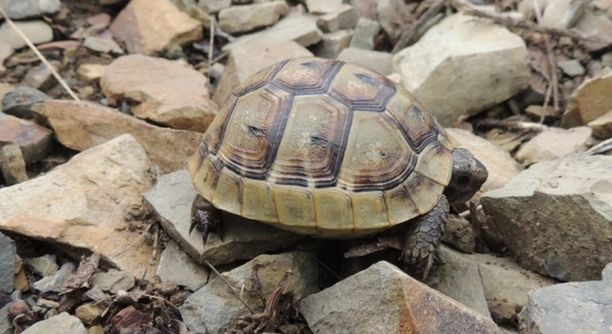
Greek tortoises are wonderful and unique pets, but like any animal, they can exhibit changes in behavior. Understanding these changes is important for keeping them healthy and happy. It’s crucial to know what these behaviors mean.
The common behavioral changes in Greek tortoises are often signs of stress, illness, or environmental changes. These changes may include altered eating habits, lethargy, changes in movement, and more. Understanding the cause is key to addressing these behaviors.
Knowing the reasons behind your tortoise’s behavior helps ensure its well-being. Each change could offer valuable insights into your pet’s health and environment. Let’s explore some of the most common behavioral changes and what they truly mean.
1. Reduced Activity Levels
Greek tortoises are naturally active creatures. If you notice your tortoise becoming unusually still or moving less, it could be due to a variety of factors. Common causes include cooler temperatures, changes in diet, or even stress from handling. It’s important to first check the environment. Make sure the temperature in the tank is appropriate, with a warm area of about 85-90°F and a cooler section around 70°F. If the temperature is too low, it can cause the tortoise to become lethargic as a form of energy conservation.
If your tortoise’s habitat is properly regulated and it still appears inactive, stress or a change in diet could be the cause. Stress may arise from factors such as too much noise or sudden handling. Also, check to see if you’ve made any recent changes in the types of food you’re offering.
A healthy diet is important for maintaining energy levels. Ensure your tortoise is eating a variety of fresh greens and vegetables. If the lack of activity persists, consider consulting a vet to rule out underlying health issues.
2. Aggressive Behavior
Aggression in Greek tortoises is a sign that something may be off in their environment. This behavior typically arises during breeding season or if they feel threatened. Male tortoises are more likely to exhibit aggression, especially during mating attempts. This aggression can manifest as head-bobbing, pushing, or even biting.
Aggressive behavior can also be linked to territorial disputes, where a tortoise might feel the need to protect its space. A small, crowded enclosure can create these tensions, so it’s important to ensure enough room for them to move freely. By providing more space, tortoises will often show less aggression.
Also, be cautious of handling that could cause discomfort. If a tortoise is repeatedly picked up or touched when it wants to be left alone, it might react aggressively. Understanding their signals can go a long way in reducing stress and aggression. Offering a peaceful, spacious environment is crucial to minimizing these behaviors.
3. Changes in Eating Habits
If your Greek tortoise starts eating less or refuses food altogether, it may be a sign of stress or an underlying health problem. Stress can result from environmental changes, such as a sudden change in temperature or light. A lack of proper UVB lighting, essential for their digestion, can also lead to reduced appetite.
Another common reason is a change in diet. Tortoises can become picky eaters if they’re not offered a variety of greens and vegetables. If your tortoise is refusing food, try offering a mix of different plants to stimulate interest. Sometimes, adding in a few edible flowers or herbs can encourage them to eat.
If the behavior continues for more than a few days and your tortoise shows other signs of illness, like weight loss or lethargy, it’s important to visit a vet. This could be a sign of parasites, digestive issues, or something more serious.
4. Hiding More Than Usual
Hiding or burrowing is normal for Greek tortoises, but if they are doing it excessively, it can indicate health concerns or environmental stress. Tortoises often retreat to a safe, dark space when they feel threatened or unwell. Check the temperature in their habitat; too much heat or too little heat can make them seek shelter.
Sometimes, hiding is simply part of their natural behavior. However, if this change in behavior is accompanied by other signs like loss of appetite, lack of activity, or changes in feces, it could be a sign of illness. For example, a tortoise that is sick may burrow to escape discomfort or because they feel vulnerable.
It’s important to offer a well-designed enclosure with a hiding spot where your tortoise can feel secure, but ensure it’s not too small. The right amount of space helps your tortoise feel comfortable and safe, reducing the likelihood of excessive hiding. Keep an eye out for any other signs of stress or illness.
5. Shell Changes
If you notice changes in your tortoise’s shell, such as discoloration or soft spots, it could indicate a health problem. Shell issues can stem from poor diet, dehydration, or a lack of proper UVB exposure. A healthy shell should be hard, smooth, and free from cracks.
Shell discoloration is often a sign of an imbalance in diet. Tortoises need a variety of calcium-rich foods to maintain a strong shell. A lack of calcium or excessive protein can lead to soft or abnormal growth. If your tortoise’s shell appears soft or deformed, it may be a sign that it’s not getting enough nutrients.
Proper lighting is also critical for shell health. Without UVB light, a tortoise can’t absorb calcium properly, leading to a weakened shell. Ensure your tortoise’s habitat provides the right conditions to support healthy growth. If the issue persists, consulting a vet is crucial for treatment.
6. Excessive Drinking
If your Greek tortoise is drinking more water than usual, it could be a sign of dehydration or a kidney problem. Excessive drinking is not always normal and should be monitored closely. Ensure your tortoise has easy access to clean water and is not experiencing a stressful environment.
Monitor for any changes in behavior, such as increased urination or lethargy. A sudden increase in drinking may also point to a medical issue like a urinary tract infection or kidney problems. These conditions can cause dehydration and make the tortoise drink more in an attempt to compensate.
If you see these signs, it’s important to address the issue quickly. A visit to the vet can rule out infections and help you restore balance in their hydration levels.
FAQ
What should I do if my Greek tortoise isn’t eating?
If your Greek tortoise stops eating, check the temperature and lighting in its habitat. Low temperatures or inadequate UVB light can cause them to lose their appetite. Ensure the enclosure is warm enough (85-90°F in the basking area) and has proper UVB lighting. If conditions are correct and your tortoise still isn’t eating, try offering different types of food, such as fresh leafy greens, edible flowers, and grasses. Sometimes, a change in diet can spark interest. If this behavior persists for several days, it’s a good idea to visit a vet.
How can I tell if my Greek tortoise is stressed?
Stress in Greek tortoises can be caused by environmental changes, handling, or even loud noises. Signs of stress include hiding more than usual, reduced activity, or aggression. To reduce stress, ensure that your tortoise has a quiet, comfortable space with adequate lighting, temperature, and humidity. Avoid handling your tortoise too much, and give it plenty of space to move around. A stressful environment can lead to health issues, so it’s important to monitor and adjust accordingly.
Why is my Greek tortoise burrowing all the time?
Burrowing is natural for Greek tortoises, as they seek out cooler, darker areas for protection and comfort. However, if burrowing seems excessive, it may indicate stress or discomfort. Check the temperature of the habitat; an overly warm enclosure can cause your tortoise to hide in an attempt to cool down. Also, ensure that your tortoise isn’t being disturbed too much. Sometimes, burrowing is also a sign of illness, so keep an eye on other behaviors and take your tortoise to the vet if needed.
Is it normal for my Greek tortoise to sleep so much?
Greek tortoises can sleep a lot, especially during cooler months or if they are not feeling well. However, if your tortoise is sleeping excessively during the warm season, it may be a sign of illness or an improper environment. Make sure your tortoise’s habitat is kept at the proper temperature, with a basking spot between 85-90°F. If they’re still sleeping too much, it could indicate stress or an underlying health problem. If this behavior lasts for a long time, it’s time to seek advice from a vet.
How often should I feed my Greek tortoise?
A Greek tortoise should be fed daily, with a diet consisting mostly of leafy greens and grasses. Offer a variety of fresh vegetables such as dandelion greens, collard greens, and clover. A healthy diet is essential for your tortoise’s overall health and shell development. Avoid feeding them too much fruit or high-protein foods, as this can cause health issues. In general, adults eat once a day, while juveniles may need more frequent meals to support growth.
What is the best temperature for a Greek tortoise’s enclosure?
The ideal temperature for a Greek tortoise’s enclosure should range from 70-80°F in cooler areas to 85-90°F in the basking zone. A temperature gradient is important, so the tortoise can choose where to go based on its needs. The basking area should be the warmest spot, and the cooler side provides a space to retreat if it gets too hot. At night, temperatures can drop slightly but should not fall below 60°F. Proper lighting, including UVB light, is also necessary to maintain these conditions.
Why is my Greek tortoise’s shell soft?
A soft shell is a sign of improper calcium intake or a lack of UVB light. Greek tortoises need UVB lighting to metabolize calcium effectively. Without sufficient UVB exposure, they can develop soft shells or even metabolic bone disease. Make sure your tortoise has access to UVB light for 10-12 hours a day and is eating calcium-rich foods like dark leafy greens and grasses. If you notice a soft shell, it’s important to address this issue immediately, as it can lead to long-term health problems.
How can I tell if my Greek tortoise is dehydrated?
Dehydration in Greek tortoises can lead to serious health issues. Signs of dehydration include a sunken appearance to the eyes, lethargy, and dry or wrinkled skin. If your tortoise isn’t drinking enough water, provide a shallow dish of clean water and soak your tortoise in warm water for about 20 minutes a few times a week. Soaking helps with hydration and digestion. If dehydration continues, consult with a vet to prevent any further complications.
Can my Greek tortoise live with other pets?
Greek tortoises can live with other tortoises of the same species, but it’s important to avoid keeping them with other types of reptiles or pets. Some reptiles may become aggressive toward each other, and other pets, such as cats or dogs, can pose a threat to the tortoise. If you want to keep multiple tortoises, ensure that the enclosure is large enough to prevent territorial behavior. It’s always best to monitor interactions and provide separate spaces if necessary to ensure their safety and well-being.
Final Thoughts
Understanding your Greek tortoise’s behavior is key to providing the best care possible. These little creatures are known for being relatively low-maintenance, but they do have specific needs. Changes in their behavior, like reduced activity or a loss of appetite, can be signs of stress, environmental issues, or health problems. It’s essential to monitor your tortoise regularly, checking its environment, diet, and overall health. By staying on top of any changes, you can ensure your tortoise stays healthy and happy.
Creating a proper environment is one of the most important factors in caring for a Greek tortoise. This means providing the right temperature, humidity, and UVB lighting to keep them comfortable. A habitat that mimics their natural environment helps reduce stress and encourages more natural behavior. A diet full of fresh greens and the occasional edible flower will keep them well-nourished. When their needs are met, Greek tortoises thrive, showing fewer signs of stress and fewer behavioral changes that could signal a bigger problem.
Finally, while it’s normal for Greek tortoises to show certain behaviors like burrowing or seeking shade, anything out of the ordinary should be taken seriously. If you notice your tortoise is consistently showing signs of aggression, excessive lethargy, or poor eating habits, it’s important to investigate further. Sometimes, a simple adjustment to their habitat can solve the problem. In other cases, a visit to the vet may be necessary to address health issues. With the right care, your Greek tortoise will lead a happy, healthy life, and you’ll both be able to enjoy your time together.

Hello,
If you enjoy the content that we create, please consider saying a "Thank You!" by leaving a tip.
Every little bit helps us continue crafting quality advice that supports the health, happiness, and well-being of pets around the world, for pets of all shapes, sizes, and species.
We really appreciate the kindness and support that you show us!