
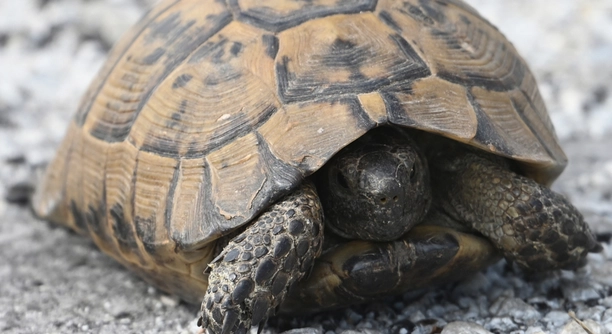
Sometimes, when picking up your Greek tortoise, you might hear a hissing sound. It can be surprising if you’re not familiar with the reason behind it. This behavior is more common than you might think and can have various causes.
Greek tortoises hiss when they feel threatened or stressed. This sound often comes from their mouth and is a defensive response, signaling discomfort or fear. It’s their way of telling you to back off or handle them more gently.
Knowing the reasons behind this behavior will help you understand your tortoise better. It could also help improve how you handle and care for your pet in the future.
Stress and Anxiety
Tortoises can get stressed for many reasons. Changes in their environment, loud noises, or unfamiliar handling can cause them to feel unsafe. When they feel threatened, they may respond by hissing as a way to protect themselves. This behavior is not meant to be aggressive but rather a signal to stay away. If you’ve recently changed their enclosure or made other adjustments, they might need time to adjust. Giving them a calm and stable environment can reduce stress and help them feel more comfortable.
When your tortoise hisses, it’s a sign that it’s feeling uneasy. Allowing them some time to relax and adjust can help. Ensuring a consistent routine also helps prevent unnecessary anxiety.
Creating a peaceful space for your tortoise to roam is important. Keep the environment quiet and avoid sudden movements around their enclosure. If you handle them, make sure to do so gently and with care. Over time, your tortoise will likely become more comfortable with handling if it feels secure in its environment.
Illness or Discomfort
Sometimes a tortoise may hiss if it’s in pain or not feeling well. If they are experiencing discomfort from an injury or illness, they may act out by making this sound. Their way of expressing distress might not be obvious to you, so it’s important to look for other signs of illness. These could include a lack of appetite, lethargy, or abnormal behavior.
If you suspect your tortoise is not well, a trip to the vet is essential. Early detection can prevent further health problems. Keeping track of your pet’s eating habits and behavior can help identify issues before they become severe.
Improper Handling
Tortoises may hiss if they feel unsure about how they are being picked up. Their bodies are delicate, and rough handling can cause them to feel unsafe. You may notice them hissing when you try to lift them quickly or without supporting their entire body.
Handling your Greek tortoise gently is essential for building trust. Use both hands to support its shell, especially the legs and sides. Avoid picking it up by its legs, as this can be uncomfortable for the tortoise. Slow, calm movements help your tortoise feel more secure and reduce the chances of it hissing. Make sure your grip is firm but gentle to prevent any injuries.
When you handle your tortoise, ensure you’re giving it plenty of time to adjust. If it starts hissing, it might be telling you it’s feeling overwhelmed. Always be patient and allow your tortoise to move at its own pace. Gradually, with consistent care, your tortoise will become accustomed to handling.
Environmental Factors
A sudden change in temperature or lighting can stress out your Greek tortoise. Hissing could be its response to an environment that feels uncomfortable. Tortoises need a balanced temperature range and access to both warm and cooler areas.
A temperature that’s too hot or cold may cause discomfort, prompting the hissing sound. Make sure the enclosure has a heat lamp on one side and a cooler area for your tortoise to regulate its body temperature. Proper humidity levels are also key, as too much dryness or excess moisture can affect your pet’s well-being. Adjust these factors to create a comfortable environment where your tortoise feels secure.
Keeping your tortoise in a stable and predictable habitat reduces stress. A good environment will make your tortoise less likely to hiss, as it feels more comfortable. If there’s ever an issue with your tortoise’s surroundings, making quick changes will help avoid long-term stress.
Overexertion
If your tortoise has been active for a long period, it may start to feel tired or stressed. Hissing can happen when it’s trying to tell you it needs a break. Excessive handling or too much activity can lead to this response.
Give your tortoise time to rest, especially after handling or exercise. Providing it with a calm, quiet space to recover is crucial. Make sure its habitat is set up for both activity and rest so that it doesn’t get overworked or overstimulated. Allowing your tortoise time to recharge will keep it from feeling overwhelmed.
Poor Diet
An imbalanced diet can affect your tortoise’s health and behavior. If it’s not getting the proper nutrition, it might hiss as a sign of discomfort. Without the right food, your tortoise might feel weak or irritable.
Ensure you’re offering a variety of leafy greens, vegetables, and appropriate supplements. A well-balanced diet will help maintain its energy and overall health. A poor diet can lead to stress, affecting how your tortoise reacts to handling. A proper feeding routine will keep your tortoise happy and healthy.
Lack of Space
If your tortoise’s enclosure is too small, it may feel trapped or uncomfortable, causing it to hiss when picked up. Tortoises need room to move around and explore. Being confined to a tiny space can lead to stress and discomfort.
Make sure your tortoise has enough space to roam freely. A larger enclosure will provide more opportunities for exploration, reducing feelings of confinement. When your tortoise has space to move, it will be more relaxed and less likely to hiss when handled. A spacious environment is key to your tortoise’s well-being.
FAQ
Why does my Greek tortoise hiss at me when I try to pick it up?
Your Greek tortoise hisses when it feels threatened, uncomfortable, or stressed. If you are picking it up too quickly or roughly, the tortoise might hiss as a way of telling you it feels unsafe. Also, it could be reacting to an unfamiliar environment or sudden changes in its habitat. Try handling your tortoise gently and consistently so it gets used to your touch, and always make sure its environment is calm and stable.
Is it okay to keep picking up my tortoise even if it hisses?
If your tortoise is hissing, it’s a sign that it’s not comfortable. Constantly picking up a tortoise that is showing signs of distress can cause further anxiety. Instead, stop picking it up until it seems more relaxed. Over time, with proper handling and a stable environment, your tortoise may become more accustomed to being handled without hissing.
How often should I handle my Greek tortoise?
Handling should be limited to avoid stress. Aim to handle your tortoise for short periods, a few times a week. If it’s new to you, start with brief sessions to build trust and reduce the risk of overwhelming it. Always pay attention to its reactions. If it hisses, give it time to rest.
Can my tortoise get used to being handled?
Yes, most tortoises can get used to handling over time. The key is to be patient and consistent. Gradually increase the time you spend handling your tortoise while ensuring it feels secure. Avoid forcing it to interact if it seems uncomfortable. Respect its boundaries and allow it to approach you at its own pace.
What signs should I look for if my tortoise is stressed?
Besides hissing, stressed tortoises may display other signs like withdrawal, refusal to eat, or excessive hiding. If your tortoise begins to pace in its enclosure or seems overly lethargic, those could be indicators of stress. Keep an eye on its overall behavior to ensure it feels safe and comfortable in its environment.
Does hissing always mean my tortoise is upset or in pain?
Not always. While hissing can signal distress or discomfort, it’s not always a sign of injury or pain. Tortoises may hiss as a defensive mechanism, especially when they’re surprised or feel threatened. However, if your tortoise shows other signs like loss of appetite, lethargy, or unusual behavior, it might indicate illness or injury, and a vet visit is advised.
How can I create a stress-free environment for my tortoise?
Creating a calm environment involves keeping noise levels low and making sure the temperature and lighting are consistent. Set up a space where your tortoise can freely explore, bask, and hide when needed. Make sure the enclosure has proper heat and humidity levels. A peaceful, well-maintained habitat will help keep stress at bay.
How do I know if my tortoise is in pain?
Tortoises can be good at hiding pain, but signs to watch for include lack of appetite, limping, swelling, or unusual postures. If your tortoise hisses when handled or seems reluctant to move, it might be experiencing discomfort. A trip to the vet can help rule out any injuries or underlying health problems.
What should I do if my tortoise stops eating?
If your tortoise suddenly stops eating, it may be a sign of stress, illness, or environmental issues. First, check its habitat to ensure the temperature and humidity are ideal. If everything seems fine, but the lack of appetite persists, take your tortoise to a vet. They can check for any health problems that might be affecting its appetite.
Can a tortoise get too cold?
Yes, a tortoise can get too cold. Greek tortoises, in particular, need a warm environment to thrive. If the temperature drops below the proper range (usually 75–85°F for daytime and 65–75°F at night), it can lead to health problems. Always provide a heat lamp or heat source to maintain an appropriate temperature.
How long should I keep my tortoise out of its enclosure?
Your tortoise should not be out of its enclosure for too long, as it may feel stressed or unsafe. Keeping it out for short periods, such as 10–15 minutes, is fine. Longer sessions may cause anxiety or make it more likely to hiss. Make sure to place your tortoise in a safe, quiet space if you need to take it out temporarily.
What do I do if my tortoise becomes more aggressive?
Aggression in tortoises is rare but can occur if they feel threatened or stressed. If your tortoise becomes more aggressive, it may need more time to adjust to its environment. Avoid handling it too much and ensure that its habitat is comfortable. If aggression continues, consult with a vet to rule out medical issues.
Final Thoughts
Understanding why your Greek tortoise hisses when you pick it up can help create a better bond between you and your pet. It’s important to remember that hissing is a natural defense mechanism. Tortoises can’t verbally communicate, so they use hissing to express discomfort, fear, or stress. As their caretaker, being aware of their body language and responding to their needs will help reduce this behavior. Over time, your tortoise will likely become more comfortable with handling if you create a calm, secure environment.
Patience and consistency are key when it comes to handling a tortoise. They are slow-moving animals and don’t always enjoy quick or sudden movements. If your tortoise hisses, it’s simply trying to tell you it’s not feeling safe. By ensuring their environment is stable, maintaining a balanced diet, and giving them proper space to roam, you can help prevent these stressful situations. With gentle and mindful handling, your tortoise will feel more at ease, and the hissing will likely decrease. Avoid forcing your tortoise to interact if it shows signs of discomfort, and always let it have time to relax.
Remember, the well-being of your tortoise is tied to its comfort level with its surroundings and the way it’s handled. By paying attention to its behavior and adjusting your actions accordingly, you will help foster a positive relationship. A tortoise that feels secure and respected will be more likely to show trust and affection. So, take the time to understand your pet’s needs, and you’ll be able to enjoy a long, happy companionship with your Greek tortoise.

Hello,
If you enjoy the content that we create, please consider saying a "Thank You!" by leaving a tip.
Every little bit helps us continue crafting quality advice that supports the health, happiness, and well-being of pets around the world, for pets of all shapes, sizes, and species.
We really appreciate the kindness and support that you show us!